

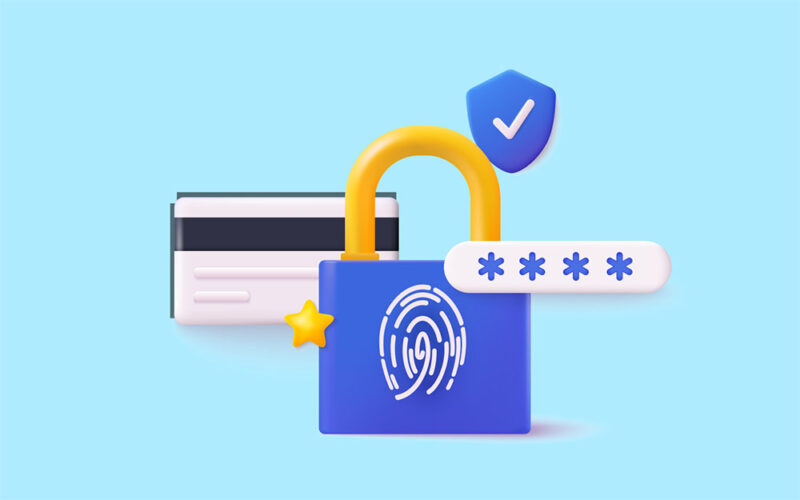
Online banking has made managing money easier than ever. But with convenience comes risk—cyber fraud, phishing attacks, and data theft are on the rise. To protect your hard-earned money, it’s important to follow some essential online banking safety practices.
Here are the top tips to keep your digital transactions secure.
1. Use Strong and Unique Passwords
Avoid simple passwords like 12345 or your name.
Create a password with letters, numbers, and special characters.
Don’t reuse the same password across multiple accounts.
2. Enable Two-Factor Authentication (2FA)
Always activate 2FA or OTP verification for an extra layer of security. Even if your password is compromised, 2FA protects your account.
3. Avoid Public Wi-Fi for Banking
Public Wi-Fi networks are often unsecured. Avoid logging into your bank account at cafes, airports, or malls. Use mobile data or a trusted network instead.
4. Keep Your Devices Updated
Regularly update your mobile apps, browser, and operating system. Security patches help protect against the latest cyber threats.
5. Beware of Phishing Emails and Messages
Never click on suspicious links claiming to be from your bank.
Verify the sender’s email or number before sharing information.
Remember, banks never ask for passwords or OTPs via email/SMS.
6. Monitor Your Bank Statements Regularly
Check your transaction history frequently to spot unauthorized activity early. Report suspicious transactions immediately.
7. Use Official Banking Apps and Websites Only
Download apps only from official app stores. Always type the bank’s URL directly instead of clicking unknown links.
8. Set Up Transaction Alerts
Enable SMS or email alerts for every transaction. This ensures you’re notified instantly if there’s unauthorized activity.
9. Log Out After Each Session
Always log out from your online banking account, especially if using a shared or public device. Don’t just close the browser window.
10. Educate Yourself About Latest Scams
Stay updated on new fraud techniques like vishing, smishing, and fake apps. Awareness is the first step to protection.
Conclusion
Online banking is safe if you take the right precautions. By using strong passwords, enabling two-factor authentication, avoiding public Wi-Fi, and staying alert against fraud, you can ensure your money stays secure. Remember—your online safety is in your hands.
FAQs
Q1: Is online banking safe?
Yes, if you follow safety practices like using secure networks, strong passwords, and enabling 2FA.
Q2: What should I do if I fall for a phishing scam?
Immediately contact your bank, block your cards, and change your login credentials.
Q3: Can I use public Wi-Fi for online banking if I use a VPN?
While a VPN adds security, it’s still safer to avoid public Wi-Fi for sensitive banking transactions.
Q4: How often should I change my banking password?
Every 3–6 months for maximum safety.
Q5: Do banks cover fraud losses?
It depends on the case. If you report promptly, some banks may reimburse the loss.
Published on : 12th September
Published by : SMITA
www.vizzve.com || www.vizzveservices.com
Follow us on social media: Facebook || Linkedin || Instagram
🛡 Powered by Vizzve Financial
RBI-Registered Loan Partner | 10 Lakh+ Customers | ₹600 Cr+ Disbursed
https://play.google.com/store/apps/details?id=com.vizzve_micro_seva&pcampaignid=web_share