

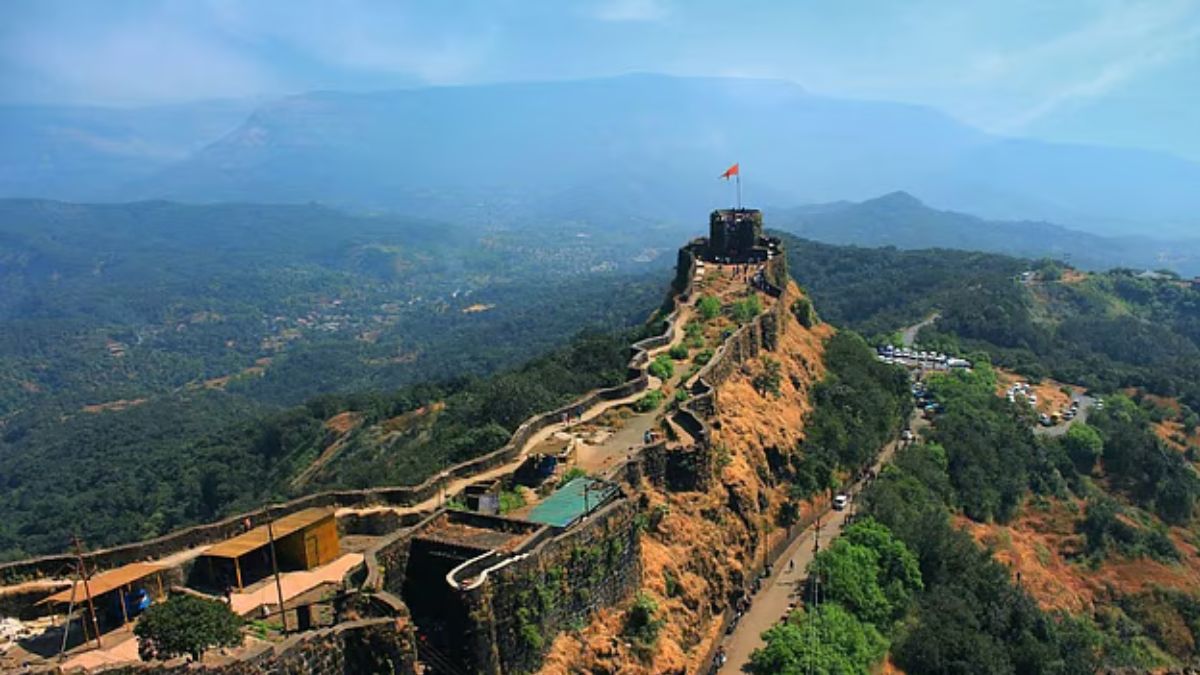
In a proud moment for Indian heritage lovers, several iconic forts associated with Chhatrapati Shivaji Maharaj have officially been granted national heritage status by the Government of India. The move comes with the launch of an ambitious ₹2,000 crore 10-year conservation plan focused on preservation, tourism, and education.
📍 Key Forts Covered Under the Plan
Raigad Fort – Shivaji Maharaj’s capital
Pratapgad Fort – Site of the iconic Afzal Khan battle
Sinhagad Fort – Strategically vital in the Deccan region
Rajgad, Torna, Lohagad, and Shivneri – Historically rich and strategically located
More than 20 major forts across Maharashtra and Karnataka are part of this grand initiative.
🔧 Project Highlights
🧱 Structural Restoration using eco-friendly materials
🎥 Digital storytelling and virtual guides at visitor centers
🛣️ Improved accessibility and eco-tourism pathways
🏞️ Development of heritage trails and night light shows
🏛️ On-site museums showcasing Maratha military glory
🎓 Inclusion in school and university history syllabi
“These forts are more than stone — they are symbols of valor and vision,” said Culture Minister G. Kishan Reddy.
🇮🇳 Cultural Importance of Shivaji Forts
The forts built and held by Chhatrapati Shivaji Maharaj were central to the Maratha Empire's rise and India’s resistance against foreign rule. Their architecture, geography, and military design are globally studied as models of fortification.
📊 Boost to Tourism & Economy
This project is expected to:
Attract domestic and international tourists
Create over 15,000 local jobs
Generate revenue through sustainable tourism
Preserve Maratha heritage for future generations
Maharashtra Tourism is also working on ‘Shivaji Trail Circuits’ for heritage travel.
🧭 Digital Preservation and Outreach
To appeal to the youth, the government is partnering with ed-tech and cultural tech startups to launch:
🎮 AR/VR fort experiences
📱 Mobile apps for guided historical tours
🎙️ Podcasts and documentary series
💬 FAQs
Q1: What is the estimated budget for the project?
The plan is expected to cost ₹2,000 crore over 10 years.
Q2: Who will manage the project?
A joint task force comprising ASI, Maharashtra State Archaeology, and local historians will oversee the work.
Q3: Are any forts open to tourists during restoration?
Yes, most forts will remain partially open, with visitor zones clearly marked during restoration work.
Published on : 17th July
Published by : SMITA
www.vizzve.com || www.vizzveservices.com
Follow us on social media: Facebook || Linkedin || Instagram
🛡 Powered by Vizzve Financial
RBI-Registered Loan Partner | 10 Lakh+ Customers | ₹600 Cr+ Disbursed.