

2005: When Small-Town India Took Center Stage in Bollywood
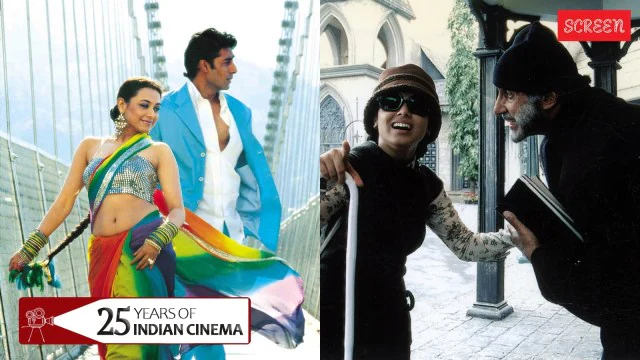
The year 2005 was a defining one for Indian cinema. After years of swish romantic comedies shot in foreign locales, Bollywood turned its gaze inward — to the heartlands. Bunty Aur Babli, directed by Shaad Ali and produced by Yash Raj Films, captured this shift with infectious energy.
Starring Abhishek Bachchan and Rani Mukerji, the film told the story of two dreamers from small-town India who rebel against monotony to chase excitement and identity. Their colorful escapades, vibrant costumes, and witty dialogues celebrated ambition outside the metros — something audiences across India instantly related to.
A Balanced Bollywood: Glitz Meets Grit
While Bunty Aur Babli embraced India’s heartland charm, the same studio balanced the scales with glossy romances like Salaam Namaste, featuring Saif Ali Khan and Preity Zinta. It was Bollywood’s duality at its best — the NRI dream and the desi pulse co-existing.
Comedies like No Entry and Garam Masala dominated the box office, reflecting audiences’ appetite for laughter and star power. Yet, amid all the glamour and fun, a film emerged that shifted the emotional compass of Hindi cinema — Black.
‘Black’: When Sanjay Leela Bhansali Changed the Conversation
Released in early 2005, Black was unlike anything Bollywood had seen before. Inspired by Helen Keller’s story, it featured Rani Mukerji as Michelle McNally, a deaf-blind woman, and Amitabh Bachchan as her passionate mentor.
Bhansali’s visual storytelling, powerful performances, and stark color palette stripped Bollywood of its musical excess — offering something pure and profound. Black was more than a film; it was a statement that mainstream Hindi cinema could be art, empathy, and education combined.
The Return of Rooted Storytelling
2005 was when Indian audiences began celebrating stories rooted in realism and emotion again. The ‘small-town hero’ and ‘everyday dreamer’ became aspirational icons. This trend would continue in later films like Chak De! India, Tanu Weds Manu, and Bareilly Ki Barfi.
As Bollywood entered the age of multiplexes and digital viewership, Bunty Aur Babli and Black stood out for redefining what Indian cinema could represent — both in scale and soul.
FAQ Section
Q1: Why is 2005 considered a turning point in Indian cinema?
A1: 2005 marked the return of small-town narratives through films like Bunty Aur Babli and meaningful cinema like Black, balancing entertainment with emotional storytelling.
Q2: What made Bunty Aur Babli so popular?
A2: Its vibrant portrayal of ambition, humor, and romance set in small-town India resonated with millions who saw their own dreams reflected on screen.
Q3: How did Black change Bollywood’s narrative tone?
A3: Black introduced a deeper emotional and artistic side to commercial cinema, showcasing how films could be both moving and thought-provoking.
Q4: Which other films from 2005 were box office hits?
A4: Alongside Bunty Aur Babli and Black, hits like No Entry, Salaam Namaste, and Garam Masala ruled the box office.
Q5: How did 2005 influence modern Indian cinema?
A5: The storytelling trend of mixing realism with entertainment began in 2005 and continues to shape today’s content-rich cinema in India.
Published on : 10TH November
Published by : SARANYA
Source Credit ; Shubhra Gupta
www.vizzve.com || www.vizzveservices.com
Follow us on social media: Facebook || Linkedin || Instagram
🛡 Powered by Vizzve Financial
RBI-Registered Loan Partner | 10 Lakh+ Customers | ₹600 Cr+ Disbursed