

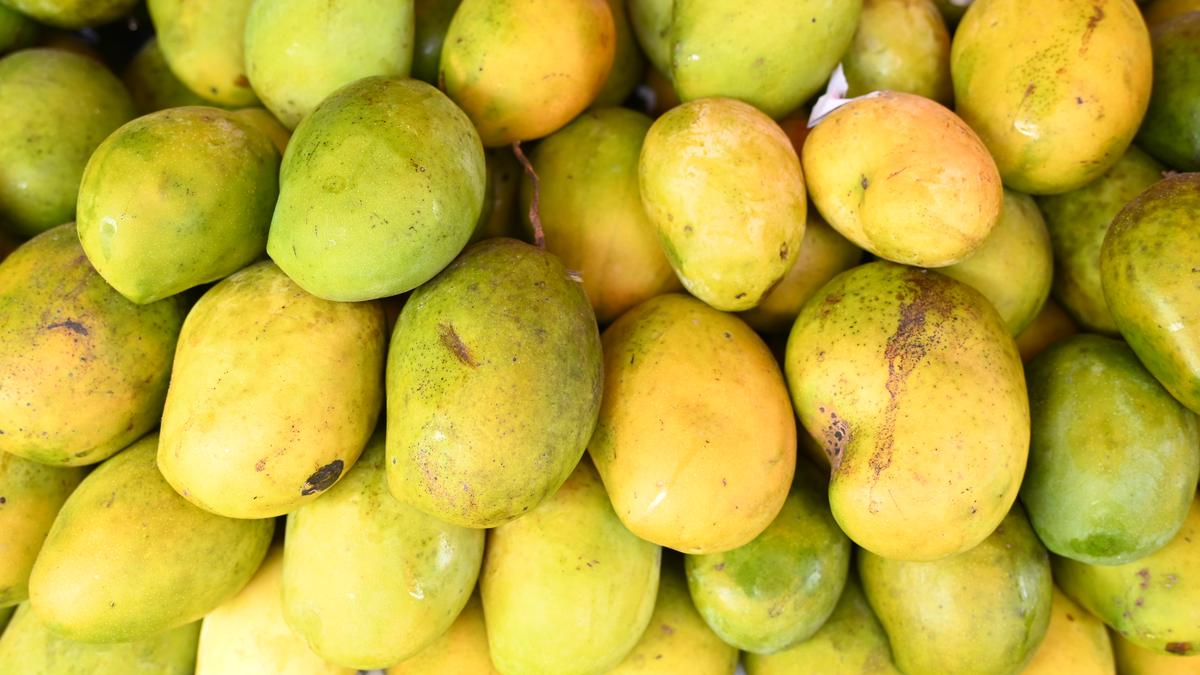
250 GRAMS OF MANGOES INSTEAD OF BREAD FOR BREAKFAST LED TO IMPROVED GLYCAEMIC CONTROL IN DIABETICS
Groundbreaking Studies Challenge Conventional Dietary Advice
Recent clinical research led by Fortis C-DOC Hospital for Diabetes and Allied Sciences and the National Diabetes, Obesity and Cholesterol Foundation (N-DOC) has overturned longstanding beliefs about the role of mangoes in diabetic diets. Traditionally avoided due to their sweetness, Indian mango varieties such as Safeda and Dasheri, when consumed in controlled amounts (250 grams), have been shown to improve glycaemic control when substituted for an equivalent caloric intake of bread at breakfast.
Key Research Findings
A study involving 95 participants (45 with type 2 diabetes and 50 without) demonstrated, through Oral Tolerance Tests and Continuous Glucose Monitoring, that mangoes produce a similar or even lower blood sugar response compared to white bread. Notably, diabetic participants exhibited a significant reduction in harmful glucose variability (Mean Amplitude of Glycemic Excursion or MAGE) after mango consumption.
An eight-week randomized controlled trial with 35 type 2 diabetic patients consuming 250 grams daily of Safeda or Dasheri mangoes instead of bread revealed measurable improvements:
Fasting blood glucose dropped by approximately 27-36 mg/dL.
HbA1c, a marker of long-term blood sugar, decreased by up to 0.9%.
Insulin resistance significantly lessened (HOMA-IR reductions observed).
Participants experienced weight loss (2.1 to 2.4 kg) and reductions in waist circumference and skinfold thickness.
HDL cholesterol (good cholesterol) levels improved.
Why Mangoes Are Beneficial
Indian mangoes have a moderate glycemic index (~51) compared to bread (~70-75), meaning they raise blood sugar more gradually.
Mangoes contain bioactive compounds (polyphenols, fiber, vitamins) that aid metabolic health.
Controlled mango consumption replaces refined carbs, leading to better insulin sensitivity and fatty tissue profile.
Implications for Diabetic Diets
Mangoes can safely and beneficially replace bread in prescribed diets under medical supervision.
This offers diabetics a culturally popular, nutritious, and satisfying breakfast alternative without compromising glycaemic control.
The findings promote more inclusive dietary flexibility, encouraging fruit intake rather than strict avoidance.
FREQUENTLY ASKED QUESTIONS (FAQ)
Q1: Can mangoes be safely eaten by people with type 2 diabetes?
Yes, recent studies show that controlled portions of Indian mangoes (like Safeda and Dasheri) can improve glycaemic control when substituted for bread.
Q2: How much mango is recommended for breakfast to see benefits?
About 250 grams of mango, roughly equivalent to one small fruit or a portion of fresh pulp, was used in the clinical studies.
Q3: How do mangoes affect blood sugar compared to bread?
Mangoes have a lower glycemic response and reduce blood sugar variability more effectively than white bread.
Q4: Do mangoes improve other health markers in diabetics?
Yes, studies found decreases in insulin resistance, body weight, waist circumference, and increased HDL cholesterol.
Q5: Are all mango varieties equally beneficial?
The studies specifically tested Indian varieties Safeda and Dasheri, indicating significant metabolic improvements with these.
Published on: August 9, 2025
Published by: PAVAN
www.vizzve.com || www.vizzveservices.com
Follow us on social media: Facebook || Linkedin || Instagram
🛡 Powered by Vizzve Financial
RBI-Registered Loan Partner | 10 Lakh+ Customers | ₹600 Cr+ Disbursed