

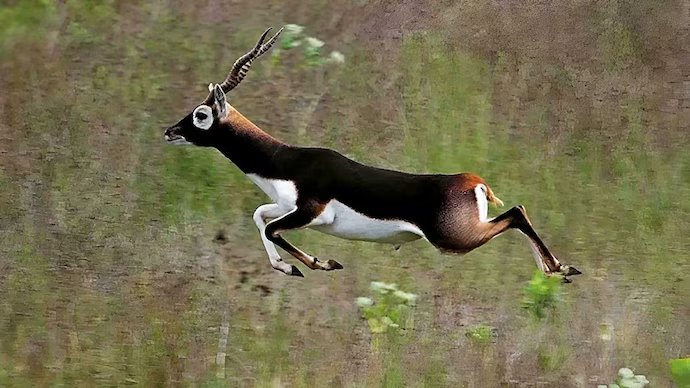
In a shocking incident that has raised serious concerns about wildlife management in Karnataka, 31 blackbucks were found dead at the Kittur Rani Chennamma Mini Zoo located in Bhimgad, Belagavi district. The deaths took place over the past several days, triggering widespread criticism from environmental activists and animal welfare organisations.
Veterinarians suspect Haemorrhagic Septicemia, a fast-spreading bacterial infection, as the primary cause. However, activists argue that slow intervention, inadequate monitoring, and delayed medical response led to the large-scale mortality.
What Happened at the Zoo?
Officials reported that blackbucks began showing symptoms such as:
High fever
Respiratory distress
Nasal discharge
Weakness and collapse
Despite initial treatment attempts, the mortality count kept rising. Zoo authorities have now sent samples for laboratory analysis to confirm the diagnosis of HS (Haemorrhagic Septicemia).
The Karnataka Forest Department has ordered a detailed internal inquiry to assess:
Whether health alerts were ignored
If preventive vaccinations were delayed
The adequacy of veterinary staff
Conditions of enclosures and hygiene standards
Activists Raise Tough Questions
Animal rights activists claim that:
Routine vaccinations were allegedly skipped or delayed
Staff failed to recognise early symptoms
Preventive measures were not taken despite weather-related disease risk
Mortalities were reported only after numbers became alarming
Some organisations are demanding an independent investigation and improved wildlife healthcare protocols in all state-run zoos.
What is Haemorrhagic Septicemia?
Haemorrhagic Septicemia (HS) is a highly fatal bacterial disease commonly affecting cattle, buffaloes, and occasionally antelope species such as blackbucks.
Key Facts:
Caused by Pasteurella multocida
Spread through contaminated feed, water, or close contact
Mortality can exceed 70 percent without swift treatment
Preventive vaccination is the most effective strategy
Experts say that weather variations during monsoon and winter transitions can heighten the risk of outbreaks.
Government’s Response
The Forest Department has:
Launched a technical inquiry
Directed immediate vaccination of remaining animals
Ordered disinfection of enclosures
Sought daily monitoring reports
Instructed nearby wildlife centers to stay alert
Senior officials have assured swift action if negligence is proven.
FAQ Section
1. What caused the death of 31 blackbucks in Karnataka?
Veterinarians suspect Haemorrhagic Septicemia, a bacterial infection, but activists allege negligence and delayed action.
2. Where did the incident occur?
The deaths occurred at the Kittur Rani Chennamma Mini Zoo in Belagavi, Karnataka.
3. Has the government launched an investigation?
Yes, the Forest Department has ordered a detailed probe into the cause and response timeline.
4. Could the deaths have been prevented?
According to activists, timely vaccination, better monitoring, and early veterinary intervention could have reduced fatalities.
5. What steps are being taken now?
Enclosures are being disinfected, surviving animals are under constant surveillance, and a vaccination drive has been initiated.
6. Are visitors allowed in the zoo after the incident?
Authorities may restrict access temporarily, depending on disease control measures.
7. What is the status of the laboratory reports?
Samples have been sent; official confirmation is awaited.
Published on : 17TH November
Published by : SARANYA
Source Credit ; Sagay Raj
🛡 Powered by Vizzve Financial
RBI-Registered Loan Partner | 10 Lakh+ Customers | ₹600 Cr+ Disbursed