

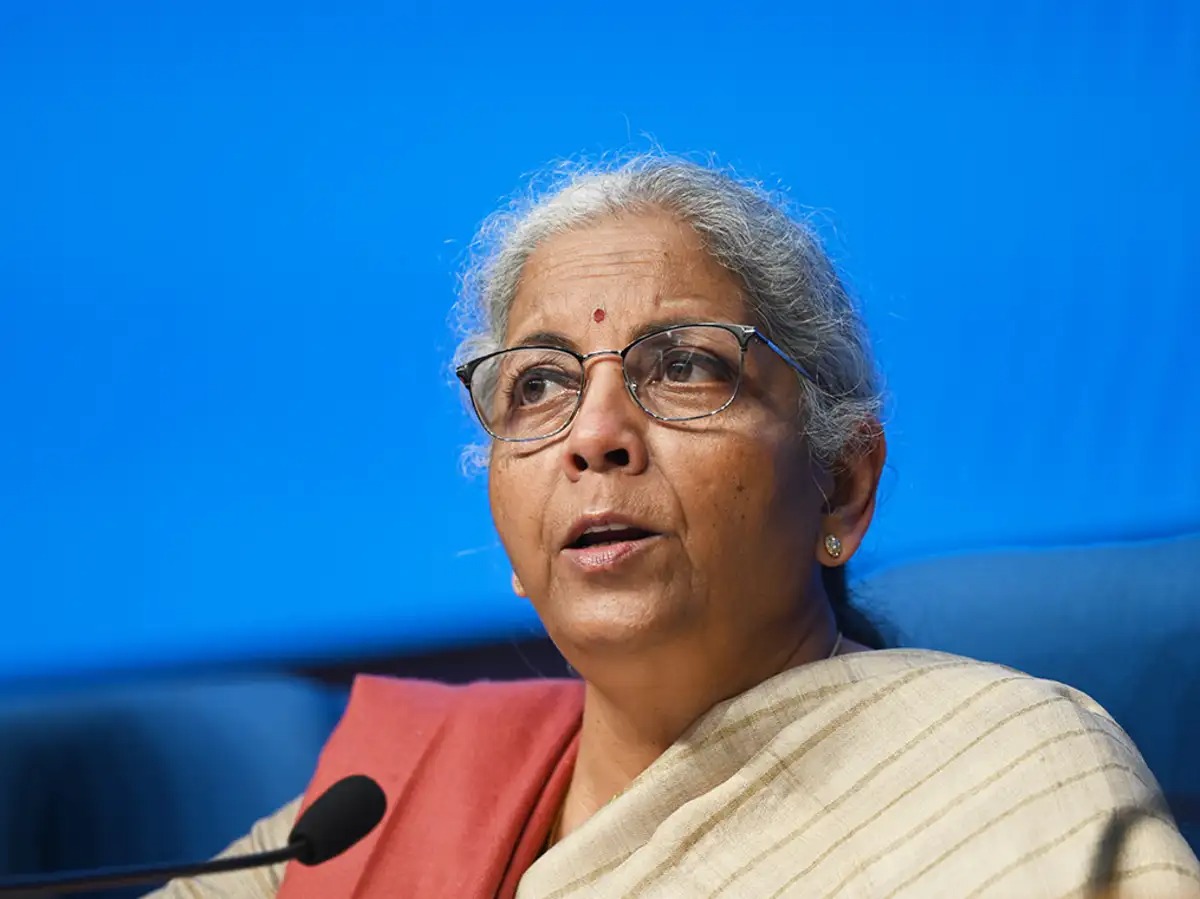
Finance Minister Nirmala Sitharaman has reassured that the estimated ₹48,000 crore revenue shortfall caused by recent GST rate cuts will not weaken India’s public finances. She expressed confidence that increased consumer spending and improved compliance will compensate for the immediate loss, ultimately boosting GDP growth.
Key Announcement
According to the Minister, the GST rate reductions were designed to stimulate demand, ease tax burdens, and improve compliance. While a temporary dip in revenues is expected, the government anticipates a rebound through:
Higher consumption of goods and services
Broader tax base and improved collections
Increased economic activity feeding into higher direct and indirect taxes
Public Finances Remain Stable
Sitharaman stated that prudent fiscal management, improved tax administration, and buoyant direct tax collections give the government room to absorb the shortfall without breaching fiscal targets.
Boost to GDP
The Finance Minister highlighted that by putting more money in the hands of consumers and small businesses, the GST cuts will stimulate demand and accelerate GDP growth. This aligns with the government’s broader objective of inclusive, consumption-driven growth.
Market & Business Implications
For businesses, especially in retail and FMCG, lower GST rates can mean increased volumes. For consumers, it translates to cheaper goods and services. Over time, this virtuous cycle is expected to yield higher overall revenues.
Conclusion
The Finance Minister’s statement aims to reassure markets, states, and investors that India’s fiscal health remains intact even as it pursues pro-consumption reforms. If her projections hold, GST rate cuts could simultaneously ease burdens and fuel stronger economic growth.
FAQ
Q1. How much revenue shortfall is expected from the GST rate cuts?
About ₹48,000 crore, according to the Finance Minister.
Q2. Will the GST revenue shortfall affect India’s fiscal health?
The Finance Minister says it will not, as higher consumption and improved compliance are expected to offset the gap.
Q3. How will GST cuts boost GDP?
Lower tax rates increase disposable income and consumption, which in turn spurs production and economic growth.
Q4. What measures ensure public finances remain stable?
Prudent fiscal management, buoyant direct tax collections, and better compliance under GST.
Q5. Which sectors benefit most from the GST cuts?
Retail, FMCG, textiles, and other mass-consumption sectors stand to benefit from lower rates.
Published on : 17th September
Published by : SMITA
www.vizzve.com || www.vizzveservices.com
Follow us on social media: Facebook || Linkedin || Instagram
🛡 Powered by Vizzve Financial
RBI-Registered Loan Partner | 10 Lakh+ Customers | ₹600 Cr+ Disbursed
https://play.google.com/store/apps/details?id=com.vizzve_micro_seva&pcampaignid=web_share