

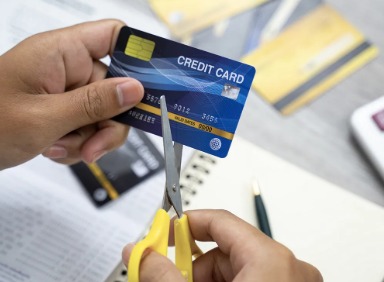
Credit card debt can be stressful and financially draining, especially with high-interest rates. The good news is that with discipline and planning, you can pay off your debt systematically and regain control of your finances.
Here are five simple steps to get rid of credit card debt effectively:
1. Assess Your Debt
List All Cards: Note down balances, interest rates, and minimum payments.
Prioritize Debt: Focus on high-interest cards first to reduce total interest paid.
Know Your Budget: Calculate monthly income and expenses to see how much you can allocate for debt repayment.
2. Create a Repayment Plan
Debt Snowball Method: Pay off the smallest balance first for motivation.
Debt Avalanche Method: Focus on highest interest rate debt first to save money.
Set Timelines: Decide how long it will take to clear each card and stick to it.
3. Cut Unnecessary Expenses
Track Spending: Identify areas where you can reduce discretionary spending.
Redirect Savings: Use money saved from non-essential expenses to pay off credit card debt faster.
Avoid New Debt: Stop using credit cards for non-essential purchases during repayment.
4. Negotiate Lower Interest Rates
Contact Your Bank: Ask for lower interest rates or balance transfer options.
Consider Consolidation: A personal loan or balance transfer card can help reduce interest and simplify payments.
Leverage Loyalty: Banks often reward long-term customers with better repayment terms.
5. Stay Disciplined and Monitor Progress
Track Payments: Regularly check outstanding balances and repayment progress.
Celebrate Milestones: Reward yourself for debt repayment achievements to stay motivated.
Maintain Financial Habits: Once debt-free, continue budgeting and avoid unnecessary borrowing.
FAQ
Q1: Can I get rid of credit card debt without a personal loan?
A1: Yes, with budgeting, disciplined payments, and expense control, you can pay off debt without loans.
Q2: What is the fastest way to pay off multiple cards?
A2: The debt avalanche method (highest interest first) is the most cost-effective, while snowball method is motivating psychologically.
Q3: Should I close my credit cards after repayment?
A3: Not necessarily. Keep them active for credit history but avoid unnecessary usage.
Q4: Can balance transfer cards help?
A4: Yes, they can reduce interest temporarily, allowing faster repayment if managed properly.
Q5: How long does it typically take to become debt-free?
A5: Duration depends on total debt, repayment amount, and interest rates, but a disciplined plan can clear debt in 6–24 months.
Conclusion
Getting rid of credit card debt requires planning, discipline, and smart financial choices.
By assessing your debt, creating a repayment plan, cutting expenses, negotiating rates, and staying disciplined, you can regain financial freedom and reduce stress, paving the way for a healthier financial future.
Published on : 15th October
Published by : SMITA
www.vizzve.com || www.vizzveservices.com
Follow us on social media: Facebook || Linkedin || Instagram
🛡 Powered by Vizzve Financial
RBI-Registered Loan Partner | 10 Lakh+ Customers | ₹600 Cr+ Disbursed
https://play.google.com/store/apps/details?id=com.vizzve_micro_seva&pcampaignid=web_share