

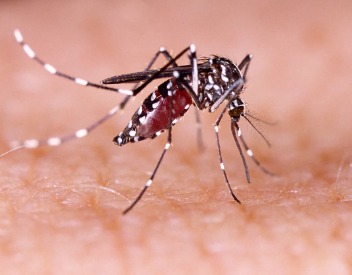
A recent global study published in BMJ Global Health has raised significant concerns about the prevalence of chikungunya in India. The study estimates that approximately 51 lakh (5.1 million) Indians are at risk of contracting the mosquito-borne viral infection each year. This alarming figure underscores the need for heightened awareness and preventive measures.
Study Findings:
Conducted by researchers at the London School of Hygiene & Tropical Medicine, the study utilized machine learning models to assess the global risk of chikungunya. The researchers considered various factors, including environmental conditions, mosquito prevalence, temperature, precipitation, and GDP data.
The findings indicate that India, along with Brazil and Indonesia, could experience a sharp rise in chikungunya cases. The long-term impacts of the disease, particularly chronic joint pain, are expected to burden healthcare systems and individuals.
Health Implications:
Chikungunya is characterized by sudden onset of fever, severe joint pain, muscle pain, headache, nausea, fatigue, and rash. While the acute phase lasts a few days to weeks, approximately 50% of those infected may experience long-term symptoms, including chronic joint pain. Adults between the ages of 40 and 60 are particularly vulnerable to these long-term effects.
Current Situation in India:
Despite the study's findings, local health authorities report a significantly lower number of confirmed chikungunya cases. For instance, in Mumbai, there have been just under 5,000 positive cases up to August 2025. However, experts suggest that these figures may be underreported, and the actual burden could be much higher.
Preventive Measures:
To mitigate the risk of chikungunya, the following preventive measures are recommended:
Eliminate Mosquito Breeding Sites: Remove standing water in containers, tires, and other objects to prevent mosquito breeding.
Use Mosquito Repellents: Apply insect repellents containing DEET to exposed skin.
Wear Protective Clothing: Wear long-sleeved shirts and long pants to reduce mosquito bites.
Install Mosquito Nets: Use mosquito nets while sleeping, especially in areas with high mosquito activity.
Conclusion:
The study's findings highlight the urgent need for increased awareness and preventive measures to combat chikungunya in India. As the country continues to face challenges related to vector-borne diseases, a concerted effort from both the government and the public is essential to reduce the risk and impact of chikungunya.
FAQs:
Q1: What is chikungunya?
Chikungunya is a viral disease transmitted to humans by infected mosquitoes, primarily Aedes aegypti and Aedes albopictus.
Q2: What are the symptoms of chikungunya?
Symptoms include sudden onset of fever, severe joint pain, muscle pain, headache, nausea, fatigue, and rash.
Q3: How can I prevent chikungunya?
Preventive measures include eliminating mosquito breeding sites, using mosquito repellents, wearing protective clothing, and installing mosquito nets.
Q4: Is there a vaccine for chikungunya?
Currently, there is no specific vaccine for chikungunya. Prevention focuses on controlling mosquito populations and avoiding mosquito bites.
Q5: What should I do if I suspect I have chikungunya?
If you experience symptoms of chikungunya, consult a healthcare provider for diagnosis and appropriate management.
Published on : 3rd October
Published by : SMITA
www.vizzve.com || www.vizzveservices.com
Follow us on social media: Facebook || Linkedin || Instagram
🛡 Powered by Vizzve Financial
RBI-Registered Loan Partner | 10 Lakh+ Customers | ₹600 Cr+ Disbursed
https://play.google.com/store/apps/details?id=com.vizzve_micro_seva&pcampaignid=web_share