

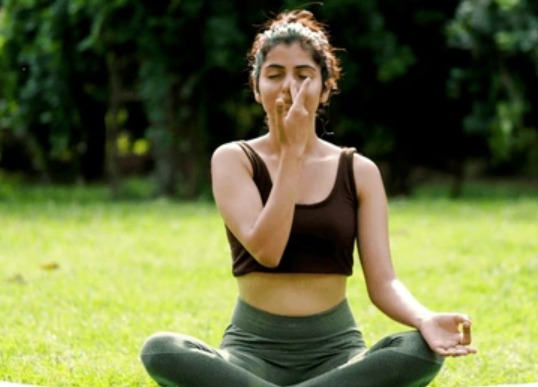
Maintaining strong and healthy lungs is essential for overall wellness, especially as pollution, stress, and lifestyle habits continue to affect respiratory health. According to experts, one of the most effective ways to support your lungs is through regular breathing exercises. Simple techniques practiced daily can improve oxygen flow, strengthen the diaphragm, and enhance your overall breathing efficiency.
Below are seven scientifically-backed breathing exercises that can help improve lung capacity and support respiratory health.
1. Diaphragmatic Breathing (Belly Breathing)
This is one of the most recommended breathing exercises for lung strengthening. It helps the diaphragm work more efficiently and improves oxygen intake.
How to do it:
Sit or lie down comfortably.
Place one hand on your chest and the other on your stomach.
Inhale deeply through your nose so that your stomach rises.
Exhale slowly through your mouth.
Practice for 5–10 minutes daily.
2. Pursed-Lip Breathing
This technique helps release trapped air in the lungs and improves airflow, especially beneficial for people with asthma or COPD.
How to do it:
Inhale gently through your nose.
Purse your lips as if blowing out a candle.
Exhale slowly and steadily.
Do 3–4 rounds whenever you feel breathless or stressed.
3. Box Breathing (4-4-4-4 Method)
A calming exercise widely used by athletes and meditators, box breathing helps regulate breathing and increase lung efficiency.
Steps:
Inhale for 4 seconds.
Hold for 4 seconds.
Exhale for 4 seconds.
Hold for 4 seconds.
Repeat for 5–10 cycles.
4. Alternate Nostril Breathing (Nadi Shodhana)
This yogic technique helps clear nasal passages, balance airflow, and promote relaxation.
How to do it:
Sit upright.
Close your right nostril with your thumb.
Inhale through the left nostril.
Close your left nostril, exhale through the right.
Continue for 2–5 minutes.
5. 4-7-8 Relaxation Breathing
This method deepens your breath, reduces stress, and supports better lung expansion.
Steps:
Inhale for 4 seconds.
Hold for 7 seconds.
Exhale slowly for 8 seconds.
Repeat 4–6 times.
6. Breath Counting Exercise
A simple mindfulness-based practice that helps improve breath awareness and rhythmic breathing.
How to do it:
Sit comfortably with your spine straight.
Inhale and exhale normally.
Count each exhale from 1 to 5.
Restart after reaching 5.
Practice for 5 minutes.
7. Rib Stretch Breathing
This helps expand the chest cavity and increases lung elasticity.
Steps:
Stand upright.
After exhaling fully, inhale deeply and hold for 10 seconds.
Exhale slowly.
Repeat 3–5 times daily.
Benefits of Regular Breathing Exercises
Increased lung capacity
Improved oxygen flow
Better respiratory endurance
Reduced breathlessness
Lower stress and anxiety
Stronger diaphragm
Enhanced overall lung function
Consistency is key — even 5 to 10 minutes a day can make a noticeable difference.
FAQs
1. Can breathing exercises improve lung capacity?
Yes, they strengthen the respiratory muscles and enhance oxygen intake.
2. Are these exercises safe for everyone?
Most are safe, but individuals with respiratory conditions should consult a doctor.
3. How long should I practice each day?
At least 5–15 minutes daily for best results.
4. Can breathing exercises help with stress?
Yes, many of these techniques promote relaxation and reduce anxiety.
5. Do these exercises help asthmatic patients?
Some, like pursed-lip breathing, can help — but always check with a healthcare professional.
Published on : 25th November
Published by : SMITA
www.vizzve.com || www.vizzveservices.com
Follow us on social media: Facebook || Linkedin || Instagram
🛡 Powered by Vizzve Financial
RBI-Registered Loan Partner | 10 Lakh+ Customers | ₹600 Cr+ Disbursed
Source Credit: Content inspired by a report written by Debosmita Ghosh