

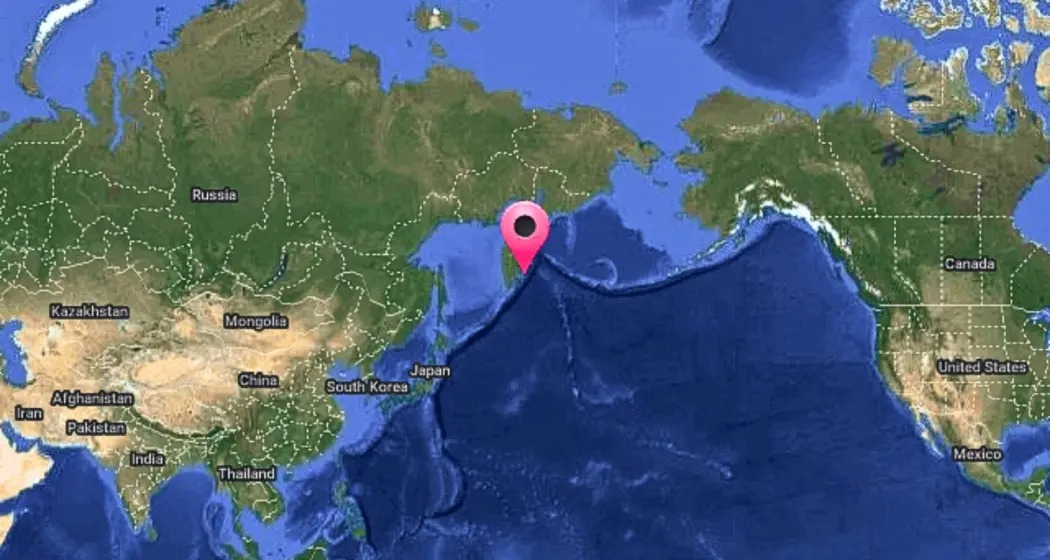
On July 31, 2025, a massive 8.8 magnitude earthquake struck off the eastern coast of Russia, near the Kuril Islands, sending shockwaves through the Pacific and raising fears of a devastating tsunami.
Though local alerts were quickly issued, no major tsunami hit populated areas—thanks in part to the global tsunami prediction network.
How Are Tsunamis Predicted?
Tsunamis are predicted using a global network of sensors and algorithms. The process begins within seconds of a major undersea quake.
1. Seismographs
Detect earthquake magnitude, location, and depth instantly.
2. DART Buoys (Deep-ocean Assessment and Reporting of Tsunamis)
Measure pressure changes on the seafloor to confirm if a tsunami has been generated.
3. GPS & Tide Gauges
Check for abnormal ocean surface movement across coasts and islands.
4. Global Warning Centers
Like the Pacific Tsunami Warning Center (PTWC) and Indian Ocean Tsunami Warning Centre, issue alerts within 10–15 minutes.
Who’s Involved?
UNESCO’s Intergovernmental Oceanographic Commission
US NOAA
Japan Meteorological Agency
India’s INCOIS (Indian National Centre for Ocean Information Services)
National disaster and weather departments
These groups coordinate using shared seismic and ocean data in real-time.
How Alerts Reach People
Once a tsunami is likely or confirmed:
Automated alerts go out via SMS, TV, radio, and apps
Coastal sirens are activated
Evacuation routes are pre-activated in high-risk zones
Some countries even use satellite messaging systems to reach remote villages and islands.
The Science Behind Tsunami Prediction
| Tool/Agency | Role in Prediction |
|---|---|
| Seismographs | Earthquake detection |
| DART Buoys | Ocean floor pressure monitoring |
| Tide Gauges | Track water displacement |
| PTWC & INCOIS | Issue tsunami warnings |
| AI Models | Predict arrival time and wave height |
Why the Global System Matters
Tsunamis don’t respect borders. A quake in Russia can send waves to:
Japan in 20–30 minutes
Alaska or Hawaii in 6–8 hours
India or Australia in 10–12 hours
A global, coordinated network ensures that everyone gets timely warnings to prevent disasters like the 2004 Indian Ocean tsunami.
FAQs
Q1: Why didn’t a major tsunami occur after the Russia quake?
The quake’s depth and direction of fault movement didn’t displace enough ocean water to trigger a large tsunami.
Q2: How accurate are tsunami predictions?
Today’s systems are 90–95% accurate in identifying real threats and wave paths, minimizing false alarms.
Q3: Can we predict earthquakes too?
Unfortunately, earthquakes can’t be predicted yet, but their after-effects like tsunamis can be rapidly detected and tracked.
Q4: Do all countries have access to warnings?
Yes—global tsunami alerts are shared publicly and sent to even the most remote nations within minutes.
Final Word
The massive 8.8 earthquake near Russia is a stark reminder of nature’s power—but also of how far humanity has come. With global cooperation and rapid-response systems, tsunami prediction has become one of science’s greatest life-saving tools.
As climate change warms oceans and tectonic risks increase, these systems are more important than ever in keeping the world safe.
Published on : 31st July
Published by : SMITA
www.vizzve.com || www.vizzveservices.com
Follow us on social media: Facebook || Linkedin || Instagram
🛡 Powered by Vizzve Financial
RBI-Registered Loan Partner | 10 Lakh+ Customers | ₹600 Cr+ Disbursed