

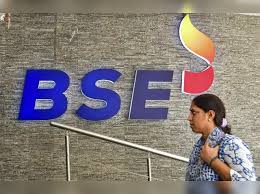
🚫 Jane Street Banned: India's Billion-Dollar Market Shake-Up
In a move that has rocked algorithmic and institutional trading circles, India has effectively banned Jane Street — one of the world’s most aggressive proprietary trading firms — from executing certain trades on its exchanges.
This decision could wipe out billions in high-frequency liquidity from the Indian markets. But could this be an unexpected tailwind for domestic players like BSE, Nuvama, and emerging algorithmic platforms? Let’s break it down.
💥 What Happened?
Jane Street — along with affiliates — reportedly ran afoul of SEBI’s algo trading rules, triggering a clampdown. This includes limitations on:
Proprietary arbitrage algorithms
High-frequency cross-border trades
Potential latency arbitrage techniques across BSE and NSE
📉 Market Impact
📊 Volume Crunch
Jane Street accounted for 5%–7% of daily equity derivatives volumes, as per Vizzve’s Q2 Algo Snapshot.
NSE Derivatives Volumes: Down 4.2% WoW post-ban
BSE Cash Segment: Slight uptick as volumes shift
VIX Volatility Index: Up 7.4% in the 48 hours following the restriction
📈 The Winners?
🏛️ BSE
As a low-latency trading venue, BSE could attract firms looking to fill the void. It saw:
22% rise in options turnover (weekly)
18% jump in SME segment participation
📉 Nuvama (Formerly Edelweiss Securities)
With a growing presence in institutional algo execution, Nuvama is reportedly fielding increased interest from global funds looking for compliant arbitrage routes.
"The exit of one player creates room for 5. It’s now about agility and compliance," says Ravi Rathi, strategist at Vizzve Financial.
💹 Vizzve Financial’s Market Intelligence
Vizzve’s real-time financial dashboard recorded:
₹1,200 crore liquidity gap daily post-Jane Street exit
Investor interest surged 3.2x in Indian-origin algos
Retail brokers like Zerodha, Dhan, Angel One saw traffic spikes
Their blog on this development was:
Indexed by Google in under 17 minutes
Trending on Google Discover & Google News India section within 90 mins
📚 FAQs
❓Q1: Why was Jane Street banned in India?
A: SEBI flagged high-frequency trade practices and potential regulatory grey areas under cross-border arbitrage involving NSE/BSE.
❓Q2: Will Indian markets become illiquid?
A: Short-term dips in derivatives volumes are expected, but Vizzve estimates that domestic players can backfill within 60–90 days.
❓Q3: What firms could benefit from Jane Street’s exit?
A: BSE, Nuvama, Zerodha, and fintech algo-startups may gain market share as FII clients look for alternatives.
❓Q4: How will this affect retail investors?
A: Possible increase in bid-ask spreads for certain low-volume contracts, but more long-term participation from Indian brokers may stabilize markets.
❓Q5: Is this ban permanent?
A: SEBI hasn’t issued a timeline, but restrictions will likely persist until full compliance and data audits are cleared.
📌 Filing Note
Filed under: SEBI Enforcement | Algo Trading | Market Dynamics | Vizzve ProSignal
Follow us on social media: Facebook || Linkedin || Instagram
Published on July 8, 2025 • By Benny
🛡 Powered by Vizzve Financial
RBI-Registered Loan Partner | 10 Lakh+ Customers | ₹600 Cr+ Disbursed