

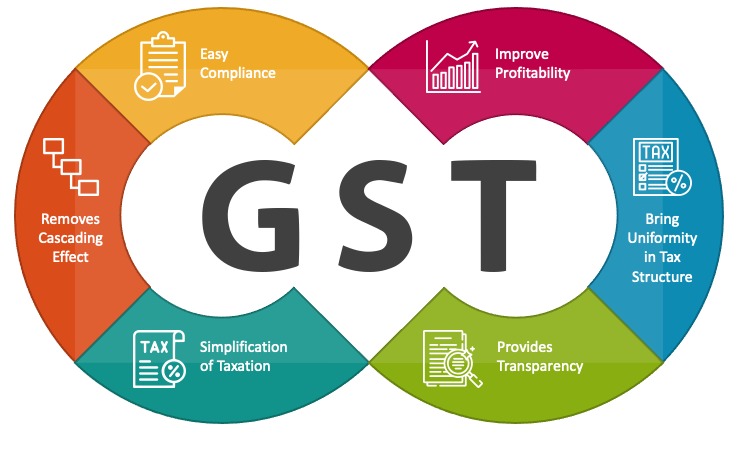
The Indian government is considering a significant reduction in consumption taxes, aiming to stimulate economic growth, increase consumer spending, and ease financial pressure on households. With inflationary pressures affecting essentials and discretionary spending, this move could be a game-changer for both the economy and citizens’ wallets.
Why Consumption Tax Relief Matters
Consumption taxes, including Goods and Services Tax (GST) and excise duties, directly affect the prices of goods and services. High taxes can reduce purchasing power, especially for middle- and lower-income households. Relief measures aim to:
Increase consumer spending and revive demand.
Support businesses facing declining sales due to high costs.
Ease financial burden on essential goods like food, fuel, and healthcare.
Proposed Measures
While official announcements are pending, experts suggest the following possible measures:
GST Rate Cuts: Reduction on daily essentials, FMCG products, and household items.
Excise Duty Reductions: Lowering taxes on fuel, automobiles, and electronic goods to encourage consumption.
Temporary Tax Holidays: Short-term relief measures for select industries to boost sales during festival or peak seasons.
Economic Impact
1. Consumer Confidence
Lower taxes increase disposable income, which can lead to higher spending on goods and services, fueling economic growth.
2. Business Growth
Retailers, manufacturers, and service providers are expected to benefit from increased demand, leading to higher production and employment.
3. Inflation Control
While reducing taxes might slightly reduce government revenue, it can help moderate inflation by lowering the overall cost of goods and services.
4. Long-Term Benefits
Sustained consumption growth can attract foreign investment, strengthen domestic markets, and contribute to India’s GDP growth trajectory.
Challenges and Considerations
Revenue Shortfall: The government must balance tax relief with fiscal stability.
Implementation: Proper planning is needed to ensure benefits reach consumers without complicating compliance for businesses.
Targeted Relief: Blanket reductions may not be as effective as targeted measures for sectors needing the most support.
Conclusion
A bold push for consumption tax relief can act as a catalyst for economic revival, helping both consumers and businesses. If implemented strategically, it can boost disposable income, increase spending, and support India’s broader growth agenda.
FAQs
Q1. What is consumption tax relief?
It refers to the reduction or removal of taxes on goods and services to increase consumer purchasing power.
Q2. Which taxes might be reduced?
Potential reductions include GST on essentials, excise duties on fuel and automobiles, and temporary tax holidays for select sectors.
Q3. How does it benefit consumers?
Lower taxes reduce the cost of goods and services, leaving more disposable income for households.
Q4. How does it help businesses?
Increased consumer spending leads to higher sales, production, and potential job creation.
Q5. Are there any risks?
The main risk is reduced government revenue, which must be balanced against economic benefits.
Published on : 16th August
Published by : SMITA
www.vizzve.com || www.vizzveservices.com
Follow us on social media: Facebook || Linkedin || Instagram
🛡 Powered by Vizzve Financial
RBI-Registered Loan Partner | 10 Lakh+ Customers | ₹600 Cr+ Disbursed