

A Whale Tooth’s Journey from the Sea to a Copper Age Pit
In a stunning archaeological find, researchers have uncovered a whale tooth inside a Copper Age burial pit, shedding light on ancient human connections with the sea. The discovery, made in a landlocked region far from the coastline, is raising new questions about prehistoric trade, migration, and ritual practices.
The Discovery
The tooth was unearthed in a 5,000-year-old burial pit in Central Europe. Its preservation and placement suggest it was a symbolic or ceremonial object, possibly buried alongside a high-status individual.
Why Is It Significant?
Unusual Location: The pit is far from any marine environment, indicating the tooth was transported inland.
Ritual Purpose: Whale teeth are often linked with spiritual or elite status in ancient cultures.
Evidence of Trade: Suggests early long-distance exchange networks existed during the Copper Age.
Scientific Analysis
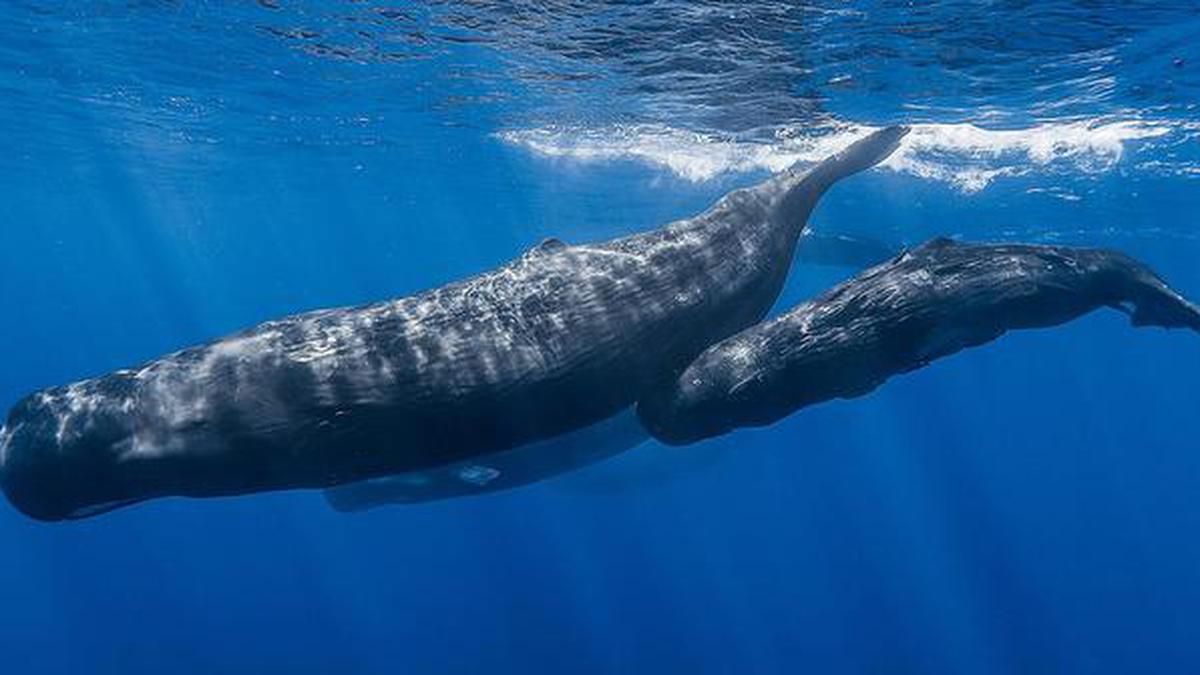
Radiocarbon dating confirms the burial site dates back to around 3,000 BCE. The tooth likely came from a sperm whale, a species not native to the region, reinforcing the idea of maritime trade or gift exchange. Chemical traces suggest it was handled, polished, or possibly carved, which may indicate it was revered or used in rituals.
What This Tells Us About the Copper Age
Ancient societies were more connected than previously thought.
Symbolic objects from the sea held social and spiritual value.
There may have been complex trade routes linking inland cultures with coastal communities.
FAQs
Q1: Where was the whale tooth found?
It was discovered in a Copper Age burial pit in a landlocked area of Central Europe.
Q2: What species did the whale tooth come from?
Preliminary analysis points to a sperm whale.
Q3: How did it reach inland communities?
Likely through early trade routes or cultural exchanges between coastal and inland tribes.
Q4: What was the purpose of burying a whale tooth?
It may have symbolized power, spirituality, or served as a prestigious burial offering.
Q5: Is this the first such find?
It is one of the very few known cases of a marine object found in an inland Copper Age burial site.
Published on: June 17, 2025
Uploaded by: PAVAN
www.vizzve.com || www.vizzveservices.com
Follow us on social media: Facebook || Linkedin || Instagram