

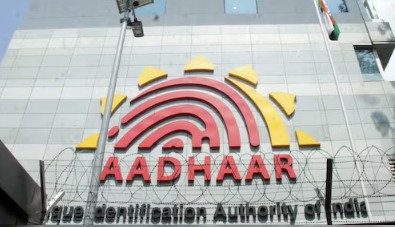
In a significant data update shared with the Election Commission, the Unique Identification Authority of India (UIDAI) has reported that 34 lakh Aadhaar card holders in West Bengal have been officially identified as “deceased.”
The information comes as part of a large-scale verification process aimed at improving the accuracy of Aadhaar-linked records and ensuring clean electoral rolls.
Additionally, UIDAI has informed the Election Commission that around 13 lakh individuals in the state who never possessed Aadhaar cards have also passed away, highlighting major gaps in historical documentation and demographic records.
How Were These Deceased Aadhaar Records Identified?
UIDAI maintains Aadhaar status through:
Death certificates submitted by families
Government department updates
Linking Aadhaar with civil registration systems
Bank and pension termination reports
State government notifications
Based on these data sources, UIDAI was able to identify lakhs of Aadhaar numbers belonging to individuals no longer alive.
Why This Update Matters
1. Cleaning Electoral Rolls
The data will help the Election Commission remove the names of deceased individuals, preventing duplication and voting-related irregularities.
2. Correcting Government Welfare Records
Many beneficiaries remain listed in:
Pension schemes
Ration card databases
Subsidy programs
The update ensures benefits are not misdirected or misused.
3. Updating Demographic Accuracy
Accurate Aadhaar and population records help improve:
Policy planning
Welfare distribution
Census estimation
Administrative decision-making
4. Identifying Documentation Gaps
The revelation that 13 lakh deceased individuals never had Aadhaar highlights the extent of undocumented populations prior to Aadhaar’s expansion.
Possible Reasons Behind High “Deceased” Counts
Experts cite several contributing factors:
Delayed reporting of deaths in rural and semi-urban areas
Non-updated legacy records before Aadhaar became widely adopted
Migration and abandonment of IDs
Multiple Aadhaar enrolments during early rollout
Improved cross-verification systems that detect invalid entries
Impact on Voter Lists and Public Services
The Election Commission is expected to:
Match Aadhaar-deceased lists with electoral rolls
Remove duplicate or invalid entries
Initiate door-to-door verification where discrepancies appear
For government services, the update helps prevent:
Fake ration card use
Unauthorised pension withdrawals
Misuse of financial schemes
This aligns with ongoing efforts to ensure transparent, Aadhaar-linked identity management.
UIDAI’s Clarification
UIDAI has clarified that the identification of deceased Aadhaar numbers does not affect living cardholders.
Only Aadhaar IDs with verified death records are marked as inactive or cancelled in the system.
Conclusion
The UIDAI’s identification of 34 lakh deceased Aadhaar card holders — along with 13 lakh unregistered but deceased individuals — marks one of the largest data clean-up drives in West Bengal.
This information will significantly help government bodies correct records, enhance transparency and improve the accuracy of voter rolls.
As digital identity becomes increasingly central to governance, such updates are crucial to maintaining clean, reliable databases.
FAQs
Q1. How many Aadhaar card holders in Bengal were identified as deceased?
A: 34 lakh individuals.
Q2. What about the 13 lakh people without Aadhaar?
A: UIDAI reported they never had Aadhaar but have since died, helping correct demographic records.
Q3. Will this affect current Aadhaar users?
A: No — only verified deceased Aadhaar numbers are updated.
Q4. How does this help the Election Commission?
A: It aids in cleaning electoral rolls by removing names of deceased voters.
Q5. Why is this data important?
A: It prevents misuse of welfare schemes and enhances accuracy across government databases.
Published on : 13th November
Published by : SMITA
www.vizzve.com || www.vizzveservices.com
Follow us on social media: Facebook || Linkedin || Instagram
🛡 Powered by Vizzve Financial
RBI-Registered Loan Partner | 10 Lakh+ Customers | ₹600 Cr+ Disbursed
Source Credit : Press Trust of India — India News