

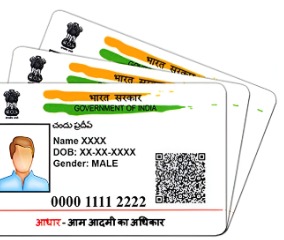
The Unique Identification Authority of India (UIDAI) has officially revised Aadhaar update fees — marking the first major hike in nearly five years. Beginning October 1, 2025, citizens will have to pay more to update their demographic, biometric, or document details.
While the increase aims to strengthen the sustainability of India’s massive digital identity infrastructure, it also raises questions about affordability and accessibility — especially for low-income users. Let’s explore the new rates, reasons behind the change, and its impact on India’s digital identity landscape.
1. The New Aadhaar Update Fee Structure
Here’s how the updated charges compare with previous rates:
| Service Type | New Fee (from Oct 1, 2025) | Previous Fee |
|---|---|---|
| Demographic Updates (Name, Address, DOB, Mobile, Email) | ₹75 | ₹50 |
| Biometric Updates (Fingerprint, Iris, Photograph) | ₹125 | ₹100 |
| Document Updates (Proof of Identity/Address) | ₹75 | ₹50 |
| Aadhaar Printout / eKYC | ₹40 | ₹30 |
| Home Enrolment / Doorstep Service | ₹700 (first person), ₹350 (each additional) | ₹500 |
Free or Exempted Updates:
Children’s biometric updates at specified age milestones remain free.
Online demographic updates through the MyAadhaar portal may remain free during limited promotional windows.
2. Why UIDAI Increased the Fees
a. Rising Operational Costs
The cost of maintaining Aadhaar’s national data infrastructure — including security, encryption, and biometric storage — has grown significantly.
b. Registrar Compensation
Thousands of Aadhaar Seva Kendras and registrar agencies rely on UIDAI fees for sustainability. The revision ensures better cost recovery for their on-ground operations.
c. Push Toward Digital Self-Service
By making in-person updates slightly costlier, UIDAI aims to encourage citizens to use online platforms, reducing manpower and administrative load.
d. Inflation and Periodic Review
As part of its long-term service review, UIDAI revises fees every few years to keep up with inflation and technology costs.
3. Impact on Citizens
Higher Costs for Basic Changes
Routine updates like address or mobile number changes will now cost more, especially for those without internet access.
Rural and Low-Income Impact
The hike could disproportionately affect rural citizens who depend on physical Aadhaar centres for updates.
Faster, More Efficient Processing
In return, citizens can expect faster service and smoother verification, as higher fees support better infrastructure and automation.
Encouragement for Digital Adoption
People familiar with the MyAadhaar portal can save money by using online updates — reinforcing India’s digital transformation push.
4. What It Means for India’s Digital Identity Ecosystem
Strengthened Infrastructure
The revenue boost allows UIDAI to maintain its massive identity database and enhance cybersecurity measures.
Improved Service Quality
Better funding means faster verification, fewer delays, and upgraded equipment at Aadhaar Seva Kendras.
Data Integrity Risks
If citizens delay updates due to cost, some Aadhaar data could become outdated, potentially affecting government benefits and KYC processes.
Policy Signal: Sustainability Over Subsidy
The fee revision highlights a long-term shift from government-subsidized identity maintenance to a self-sustaining model.
5. What You Should Do Before the Fee Hike
Update Your Details Now – Complete any demographic changes before October 2025 to save costs.
Use Online Channels – Visit myaadhaar.uidai.gov.in for free or lower-cost updates when available.
Plan Family Updates Together – Combine multiple updates in one session to avoid repeated fees.
Track Free Update Announcements – UIDAI often extends free online update windows — watch for official notices.
Keep Documents Ready – Carry valid ID and address proof to minimize delays or re-visits.
Conclusion
The Aadhaar fee hike is part of India’s evolving digital transformation journey. While it adds a small burden on users, it ensures that the backbone of India’s digital identity — used for everything from subsidies to bank verification — remains secure, scalable, and efficient.
Aadhaar’s future is moving toward a self-sustaining, technology-driven model, where citizens play an active role in keeping their digital identities current.
FAQs
Q1. When do the new Aadhaar update fees take effect?
From October 1, 2025.
Q2. Are children exempt from the new fees?
Yes, biometric updates for children at specified ages remain free.
Q3. Will online Aadhaar updates stay free?
Online demographic updates may be free during limited-time windows, depending on UIDAI’s announcements.
Q4. Can I update all details in one visit?
Yes — you can update multiple fields together and pay the applicable single service fee.
Q5. Why did UIDAI increase the rates?
To account for rising infrastructure and operational costs, improve service quality, and promote digital-first updates.
Published on : 4th October
Published by : SMITA
www.vizzve.com || www.vizzveservices.com
Follow us on social media: Facebook || Linkedin || Instagram
🛡 Powered by Vizzve Financial
RBI-Registered Loan Partner | 10 Lakh+ Customers | ₹600 Cr+ Disbursed
https://play.google.com/store/apps/details?id=com.vizzve_micro_seva&pcampaignid=web_share