

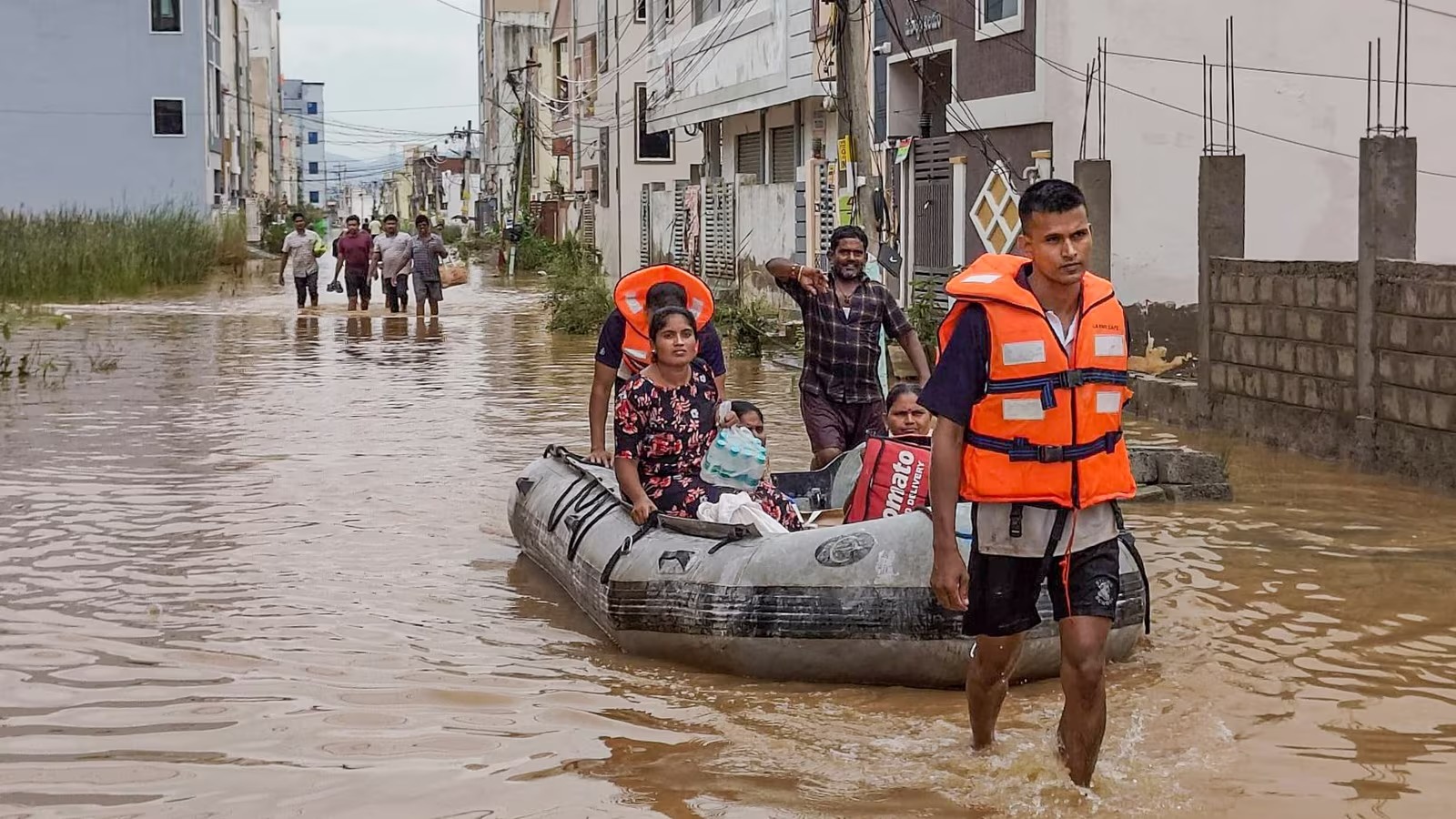
Meteorological departments across India have forecasted above-normal rainfall in several regions this season. While rainfall is essential for agriculture and water resources, excess precipitation can pose significant risks to communities, infrastructure, and the economy. Understanding these forecasts and preparing for potential impacts is crucial.
Predicted Rainfall Trends
Regions Affected: Central India, Northeast, and parts of Southern India are expected to experience above-average rainfall.
Timeframe: Seasonal predictions suggest sporadic heavy showers, especially during monsoon peaks.
Monitoring Agencies: India Meteorological Department (IMD) and regional weather centres are issuing regular updates.
Impacts of Above-Normal Rainfall
Flooding and Waterlogging: Urban areas with poor drainage are particularly vulnerable, disrupting transportation and daily life.
Agriculture: While beneficial for certain crops, excessive rainfall can damage standing crops, delay harvesting, and increase pest infestations.
Infrastructure Risks: Roads, bridges, and construction sites may face structural challenges due to water damage.
Health Concerns: Waterborne diseases and vector-borne illnesses like dengue can spike after heavy rains.
Economic Implications: Businesses and local economies can experience losses due to disruptions in supply chains and transport.
How Communities Can Prepare
Flood Preparedness: Ensure drainage systems are clear, and monitor water levels in rivers and reservoirs.
Agricultural Planning: Farmers can adopt water-resistant crops and adjust sowing schedules based on rainfall predictions.
Public Awareness: Citizens should stay updated via local news, meteorological apps, and government advisories.
Emergency Kits: Keep essentials like drinking water, medicine, and non-perishable food ready.
The Role of Forecast Accuracy
Accurate weather predictions help mitigate risks by allowing governments, businesses, and households to plan proactively. Investment in meteorological technology and data analysis is key to improving early warning systems and minimizing damage.
FAQs
Q1. Which regions in India are expected to receive above-normal rainfall?
Central India, Northeast states, and parts of Southern India are predicted to experience higher than average rainfall.
Q2. How can excessive rainfall affect agriculture?
It can damage crops, delay harvesting, increase pest risks, and affect soil health.
Q3. What infrastructure is most at risk from heavy rains?
Urban drainage systems, roads, bridges, and construction sites are vulnerable to water damage.
Q4. How can citizens prepare for floods and waterlogging?
Stay updated with forecasts, clear drains, stock emergency supplies, and follow government advisories.
Q5. Does accurate weather forecasting help reduce risks?
Yes, precise predictions allow proactive planning, mitigating damage to communities, agriculture, and infrastructure.
Published on : 22nd September
Published by : SMITA
www.vizzve.com || www.vizzveservices.com
Follow us on social media: Facebook || Linkedin || Instagram
🛡 Powered by Vizzve Financial
RBI-Registered Loan Partner | 10 Lakh+ Customers | ₹600 Cr+ Disbursed
https://play.google.com/store/apps/details?id=com.vizzve_micro_seva&pcampaignid=web_share