

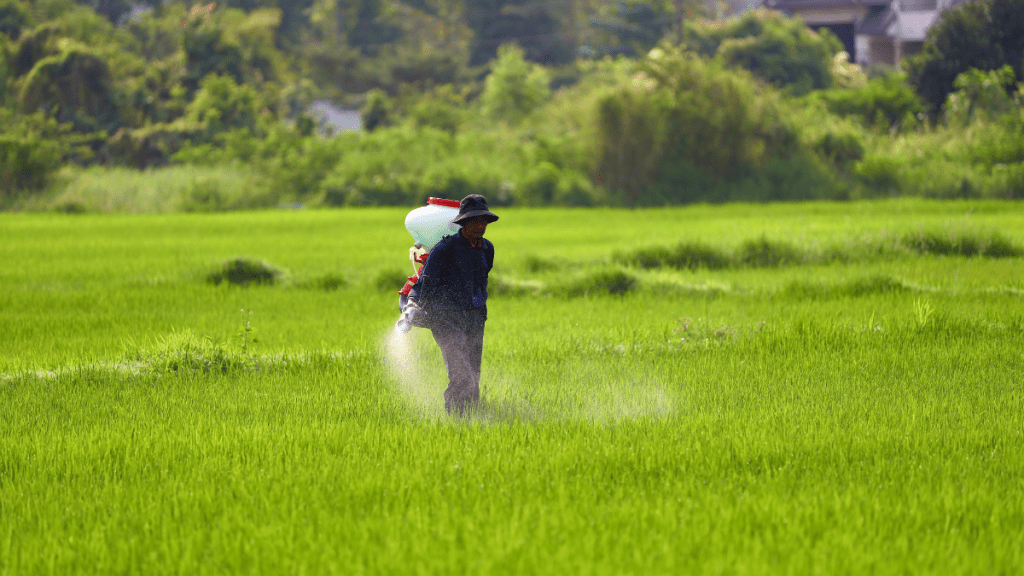
After Rare Earths, China Halts Specialty Fertiliser Exports to India: Report
In a significant development that could affect India's agriculture and trade dynamics, China has halted the export of specialty fertilisers to India, months after restricting exports of rare earth minerals. Indian importers report that Chinese authorities are not issuing inspection certificates for shipments bound for India, effectively blocking supply chains critical to Indian farming operations.
What Are Specialty Fertilisers and Why Do They Matter?
Specialty fertilisers are advanced nutrient formulations used primarily for high-value crops such as fruits, vegetables, and flowers. These fertilisers include:
Water-soluble fertilisers
Micronutrients
Controlled-release fertilisers
Customized blends
India depends heavily on imports for these products, especially from China, which is one of the largest global manufacturers. These fertilisers are essential to achieving higher crop yields and better produce quality, particularly in areas with poor soil health.
Extent of the Dependency
India imports around 150,000 to 160,000 tonnes of specialty fertilisers annually, with over 70–80% of that volume coming from China. The ongoing halt has already affected delivery schedules and pricing in the domestic market.
Implications for Indian Agriculture
The disruption in supply is likely to:
Impact crop productivity and farmer income in the current and upcoming seasons
Lead to price hikes in the local fertiliser market
Force the government to increase fertiliser subsidies, adding to fiscal pressure
Accelerate India's need to develop domestic fertiliser manufacturing
Strategic and Trade Implications
This latest move follows China's earlier restrictions on rare earth exports, indicating a trend of using trade as a geopolitical tool. Experts view the fertiliser halt as a calculated pressure tactic amid rising trade and diplomatic friction between India and China.
India's Response and Mitigation Steps
To address the crisis, India is:
Exploring alternative suppliers such as Saudi Arabia, Morocco, Jordan, and the U.S.
Investing in domestic manufacturing capacity, including reviving public-sector fertiliser plants
Engaging diplomatically with China to ease inspection bottlenecks
Considering the inclusion of specialty fertilisers under the Production-Linked Incentive (PLI) scheme
Frequently Asked Questions (FAQs)
Q1: Has China officially banned fertiliser exports to India?
No official ban has been announced. However, Chinese authorities are withholding inspection certificates, effectively halting exports.
Q2: Why are specialty fertilisers important for India?
They are critical for high-value and export-oriented crops, and essential for maintaining yield and crop quality in nutrient-deficient soils.
Q3: How dependent is India on China for these products?
India imports over 70% of its specialty fertiliser needs from China, making it highly vulnerable to such disruptions.
Q4: What alternatives does India have?
India is sourcing from countries like Morocco, Saudi Arabia, Jordan, and the USA and also expanding domestic production capacity.
Q5: Will this affect Indian farmers immediately?
Yes. If the supply remains disrupted, farmers may face higher costs, limited access to nutrients, and potentially lower yields in key cropping seasons.
Published on: June 26, 2025
Uploaded by: PAVAN
www.vizzve.com || www.vizzveservices.com
Follow us on social media: Facebook || Linkedin || Instagram
🛡 Powered by Vizzve Financial
RBI-Registered Loan Partner | 10 Lakh+ Customers | ₹600 Cr+ Disbursed