

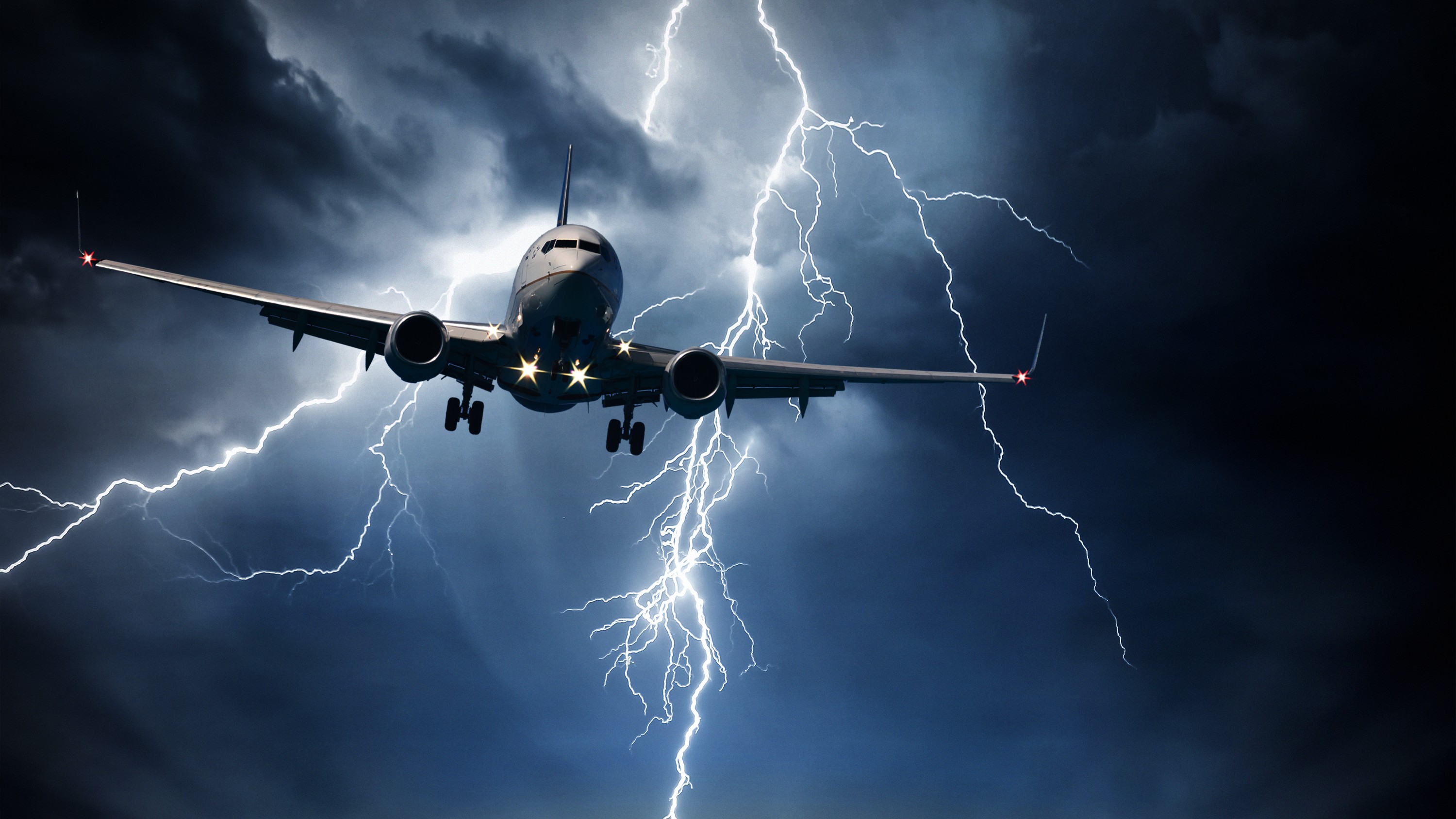
In a disturbing sequence of events, an Air India flight from Delhi to Vienna reportedly plunged 900 feet mid-air due to sudden turbulence, just days after a separate incident involving an Air India aircraft crash-landing in Ahmedabad. The mid-air incident occurred on June 30, 2025, triggering panic among passengers and renewed concerns over Air India's operational safety protocols.
🛫 What Happened on the Delhi-Vienna Flight?
The Boeing 787 Dreamliner, operating as AI 153, was cruising over Central Europe when it suddenly dropped nearly 900 feet in altitude due to what was described as severe and unexpected air turbulence.
Key Details:
Flight: Air India AI 153
Route: Delhi (DEL) to Vienna (VIE)
Aircraft: Boeing 787 Dreamliner
Incident: Sudden loss of altitude (~900 ft) mid-cruise
Passengers: Approx. 240
Injuries: Minor injuries reported to 4 passengers, mainly due to not wearing seatbelts
🧑✈️ What Caused the Drop?
Preliminary assessments suggest that the aircraft encountered a jet stream turbulence pocket, which led to a rapid vertical drop. While pilots were able to regain control swiftly, several passengers experienced nausea, shock, and minor bruises.
Aviation experts stress that such turbulence is not uncommon over certain European air corridors but should be anticipated with better detection tools.
⚠️ Comes Days After Ahmedabad Incident
This comes on the heels of an earlier incident on June 27, where another Air India flight from Dubai to Ahmedabad suffered a hydraulic failure, forcing a crash-landing at Sardar Vallabhbhai Patel International Airport.
These back-to-back occurrences are now prompting:
DGCA audits of Air India’s fleet
Mandatory reporting of all near-miss incidents
Review of pilot training modules for emergency handling
🧾 Air India’s Official Response
Air India issued a statement confirming:
All passengers were safe and attended to
Crew followed safety protocols during and after the turbulence
An internal investigation is already underway in coordination with DGCA
📊 What Does This Mean for Flyers?
While aviation experts reaffirm that flying remains the safest mode of travel, repeated mid-air incidents shake public trust — particularly when they involve the national carrier. Flyers are urged to keep seatbelts fastened, even during cruise mode, and report any lapses in crew instructions.
🔍 FAQs
Q1: Was the Air India Delhi-Vienna flight diverted after the plunge?
A: No, the aircraft regained altitude and proceeded to land safely in Vienna.
Q2: Were there any injuries?
A: Four passengers reported minor injuries. No fatalities or critical issues were noted.
Q3: Is this connected to the Ahmedabad incident?
A: No direct link, but both events have raised scrutiny over Air India's safety oversight.
Q4: How common are altitude drops in flights?
A: Sudden drops of 500–1000 feet during turbulence are not unusual, but their severity depends on weather data prediction and pilot response.
Q5: Is it still safe to fly Air India?
A: According to the DGCA and aviation analysts, Air India is under compliance. However, intensified monitoring is now underway.
published on 1st july
Publisher : SMITA
www.vizzve.com || www.vizzveservices.com
Follow us on social media: Facebook || Linkedin || Instagram
🛡 Powered by Vizzve Financial
RBI-Registered Loan Partner | 10 Lakh+ Customers | ₹600 Cr+ Disbursed.