

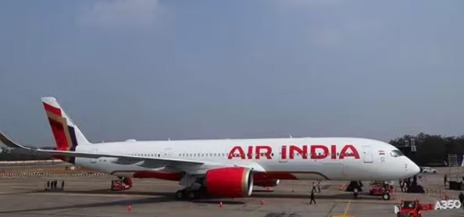
An Ahmedabad-bound Air India flight made an emergency return to Delhi early on Thursday morning after the crew detected a smoke indication onboard. According to Asian News International (ANI), the pilots followed standard emergency protocols and immediately diverted the aircraft back to the Indira Gandhi International Airport to ensure passenger safety.
The incident caused temporary concern among passengers but ended safely, with no injuries reported. The flight crew and the airline’s technical team acted swiftly to assess and control the situation.
How the Incident Unfolded
Shortly after takeoff from Delhi, the cockpit reportedly received a warning signal indicating possible smoke in one of the aircraft components. Although no visible smoke was observed in the cabin, the alert required immediate precautionary action.
The flight crew:
Declared a precautionary emergency
Coordinated with Air Traffic Control (ATC)
Initiated a return flight path
Prepared cabin crew for emergency procedures
Informed passengers calmly and professionally
Within minutes, the aircraft safely touched down in Delhi, where emergency teams had been pre-alerted and were standing by.
Passenger Experience During the Alert
Passengers reported that cabin crew remained composed and instructed everyone to stay seated. There was no panic inside the aircraft, thanks to clear announcements and professional handling by the crew.
Most passengers were shifted to an alternate aircraft or re-accommodated on the next available flight.
Air India’s Official Response
Air India released a statement confirming the incident, reiterating that safety is their top priority. The airline said a technical inspection was initiated to identify the cause behind the smoke indication.
The preliminary checks include:
Electrical system evaluation
Engine health diagnostics
Cabin pressure and air circulation system inspection
Review of flight data and cockpit alerts
Further details will be shared after completion of the engineering assessment.
Why Smoke Indications Trigger Immediate Action
Commercial aircraft are equipped with sophisticated sensors to monitor temperature, airflow, and potential smoke. Even a minor warning prompts quick action because:
Smoke can signal electrical malfunction
Cabin air contamination can escalate
Fire risks require immediate mitigation
International aviation norms demand strict adherence to safety procedures
Returning to the departure airport is often the safest option, where full emergency support is available.
Impact on Operations
While the incident caused a temporary delay, it did not significantly disrupt Air India's broader operations. Other flights to Ahmedabad continued on schedule, and passengers were assisted with rebooking, refreshments, and accommodation where required.
FAQs
1. Why did the Air India plane return to Delhi?
Because the cockpit received a smoke indication warning shortly after takeoff.
2. Was there an actual fire or smoke onboard?
No visible smoke was reported; the return was precautionary.
3. Were any passengers injured?
No injuries were reported.
4. What happens after such incidents?
The aircraft undergoes a detailed technical inspection before it is cleared for further flights.
5. Will the same aircraft fly again soon?
Only after engineers certify it as safe following a full diagnostic check.
Published on : 28th November
Published by : SMITA
www.vizzve.com || www.vizzveservices.com
Follow us on social media: Facebook || Linkedin || Instagram
🛡 Powered by Vizzve Financial
RBI-Registered Loan Partner | 10 Lakh+ Customers | ₹600 Cr+ Disbursed
Source Credit: Content based on reporting from Asian News International (ANI).