

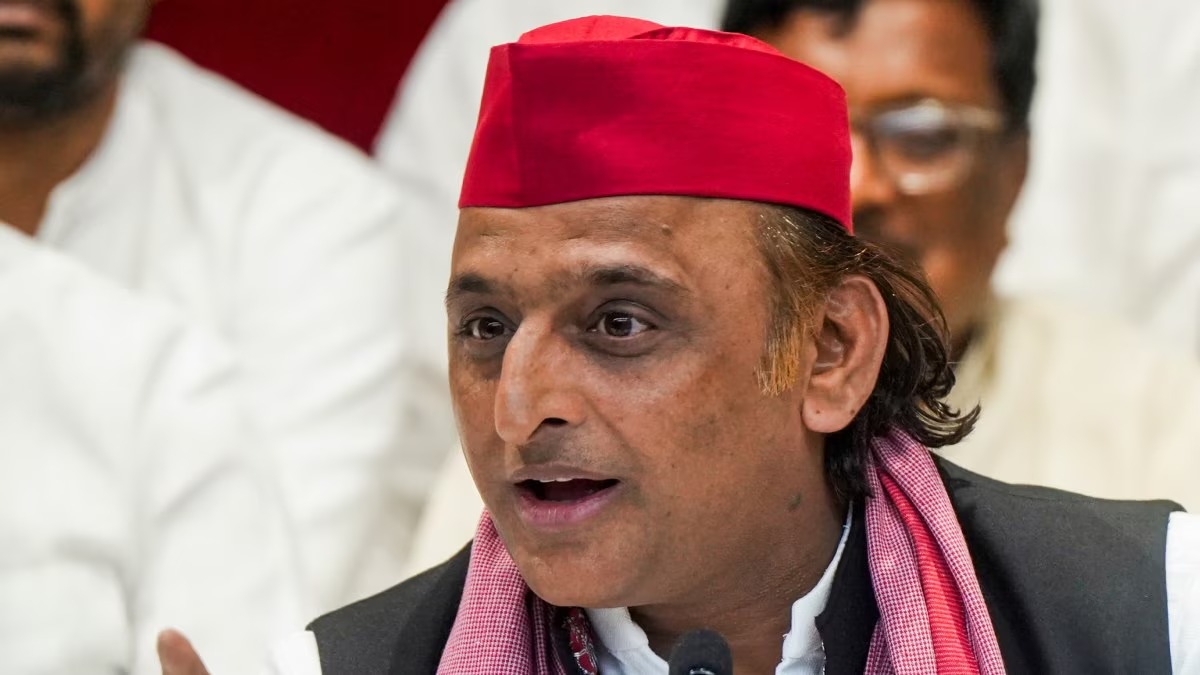
🗣️ Akhilesh Yadav's Indirect Swipe at Dhirendra Shastri Over Kathavachak Fees
Samajwadi Party leader Akhilesh Yadav on Sunday made a sharp remark that is widely seen as a veiled jab at popular religious preacher Dhirendra Shastri of Bageshwar Dham. Speaking at a public event, Yadav commented that some kathavachaks (spiritual storytellers) were charging as much as ₹50 lakh per event, raising questions about the commercialization of faith and religion.
🛕 “Kathavachaks Now Charge ₹50 Lakh” – Akhilesh's Statement
While Yadav did not name Dhirendra Shastri directly, his comments seemed clearly aimed at the self-styled godman who has gained national fame for his religious discourses and so-called “divine court” sessions.
“There are kathavachaks now who demand ₹50 lakh. Where is this money coming from? Whose pockets are being emptied?” — Akhilesh Yadav
His remarks triggered mixed reactions online, with some supporting the need to question large-scale religious monetization, while others criticized him for targeting faith leaders.
🔥 Political and Public Reactions
Supporters of Dhirendra Shastri called the remarks politically motivated, accusing Yadav of mocking Hindu traditions.
Opposition voices and secular groups, however, backed the statement as a necessary check on unchecked religious profiteering.
This controversy has reignited debates about religious events being used for political and financial gain in India.
👤 Who is Dhirendra Shastri?
Head of Bageshwar Dham Sarkar, a religious outfit in Madhya Pradesh
Known for dramatic “miracle healing” claims and televised pravachans
Draws massive crowds across India, with support from many right-wing groups
❓ FAQs
Q1. What did Akhilesh Yadav say about kathavachaks?
He remarked that some kathavachaks demand ₹50 lakh per event, hinting at the rising commercialization of religious discourses.
Q2. Was Dhirendra Shastri named directly?
No, Akhilesh Yadav did not name anyone, but his remarks are widely seen as aimed at Dhirendra Shastri.
Q3. How did people react to the statement?
Reactions were divided—some defended religious freedom, while others supported the need for financial transparency in religious events.
Q4. Why is this statement significant?
It adds fuel to the ongoing conversation about faith, finances, and political patronage in Indian religious culture.
published on 30 june
Publisher : SMITA
www.vizzve.com || www.vizzveservices.com
Follow us on social media: Facebook || Linkedin || Instagram
🛡 Powered by Vizzve Financial
RBI-Registered Loan Partner | 10 Lakh+ Customers | ₹600 Cr+ Disbursed