

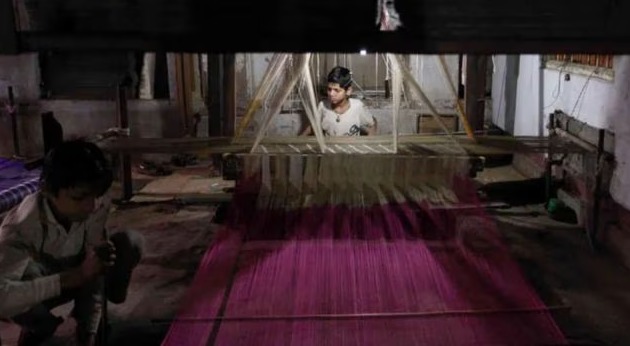
Panipat, India’s renowned textile recycling hub, is sounding alarm bells due to the sudden suspension of textile rag supplies from Bangladesh. This disruption threatens to severely impact the region’s thriving textile recycling industry, which depends heavily on imported rags for raw materials.
Importance of Bangladesh Rags in Panipat’s Textile Recycling Industry
Panipat’s recycling units transform used textiles into recycled yarns and fabrics, supplying manufacturers across India and beyond. Bangladesh, with its vast textile waste exports, has been a critical supplier of rags, providing affordable and consistent raw materials. The steady inflow of these rags supports production efficiency and cost-effectiveness for many small and medium enterprises (SMEs) in Panipat.
Impact of Suspension on Panipat’s Textile Recycling Sector
The suspension of Bangladesh rags supply has created an immediate shortage of raw materials in Panipat. Recycling units face production delays, higher procurement costs, and operational challenges. For many businesses, especially SMEs, this has led to uncertainty and financial strain.
According to industry experts, if the disruption continues, the consequences could extend beyond Panipat — affecting India’s overall textile recycling output, export potential, and sustainable textile initiatives.
Why Did Bangladesh Suspend Rag Exports?
While official reasons include tightening export regulations and environmental concerns, the halt has sent ripples through textile recycling communities reliant on this cross-border supply chain.
What Are the Alternatives?
Panipat’s industry leaders are actively exploring alternative rag sources — including increased domestic collection and imports from other countries. However, these alternatives currently face challenges such as limited availability, higher costs, and quality concerns.
Investing in advanced recycling technologies that reduce dependence on imported rags could also be a long-term solution.
Economic and Environmental Implications
The textile recycling industry in Panipat not only provides livelihoods to thousands but also plays a key role in promoting sustainable fashion by recycling textile waste. Interruptions in raw material flow threaten both economic stability and environmental goals.
Conclusion
The suspension of Bangladesh rag supplies has exposed vulnerabilities in Panipat’s textile recycling supply chain. The industry’s resilience will depend on its ability to adapt, diversify sourcing, and innovate sustainable practices to secure its future as a leading textile recycling hub.
FAQ
Q1: Why is Bangladesh a major supplier of textile rags to Panipat?
Bangladesh generates a large volume of textile waste due to its booming garment industry. This waste is exported as rags, providing affordable raw material for recycling hubs like Panipat.
Q2: How will the suspension affect textile recycling in India?
A sustained suspension could lead to production slowdowns, increased costs, job losses, and a decline in recycled textile exports.
Q3: Are there any alternatives to Bangladesh rags?
Yes, but alternatives face challenges in terms of supply volume, price, and quality. Domestic sourcing and new technologies are being explored.
Publish on june12,2025 by :selvi
www.vizzve.com || www.vizzveservices.com
Follow us on social media: Facebook || Linkedin || Instagram