

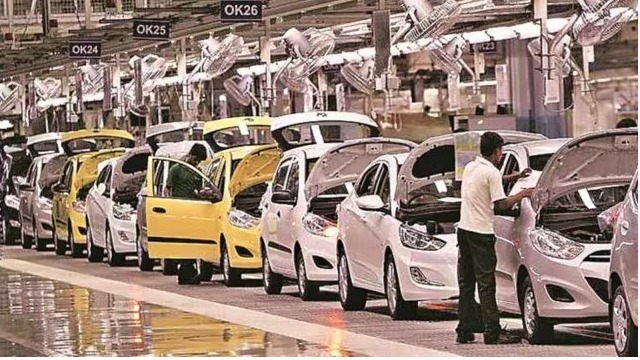
Automotive Workers Face Alarming Safety Risks as Injuries Surge 35% YoY: Safe in India Foundation Report
India’s booming automotive sector, often hailed as the backbone of the country's manufacturing economy, is now under scrutiny for a worrying trend — a steep 35% year-on-year rise in factory injuries, according to the latest Safe in India Foundation report.
The findings, which compile data from over 2,800 cases of injured workers, paint a grim picture of deteriorating workplace safety. The majority of these incidents were recorded in auto component manufacturing units across industrial hubs like Manesar, Gurugram, and Faridabad.
Key Findings from the Report
35% increase in reported injuries compared to last year
Majority of injured workers were contract labourers with little or no job security
Lack of adequate safety training, protective gear, and machine maintenance cited as top causes
Over 70% of injuries involved hands and fingers, many resulting in permanent disabilities
Safe in India, which works closely with injured workers and government agencies, emphasizes that systemic negligence, outsourcing safety responsibilities, and non-compliance with labour norms have contributed significantly to the crisis.
Industry-Wide Implications
India’s automotive industry, valued at over $222 billion, supports more than 35 million jobs directly and indirectly. Yet, the invisible cost of poor workplace safety is often ignored.
“This surge in injuries isn’t just a human tragedy—it’s a productivity and sustainability issue for the entire sector,” the report cautions. It also urged automakers to audit supply chains, mandate safety gear, and integrate safety KPIs into vendor evaluations.
What Can Be Done?
Mandatory reporting and public disclosure of workplace injuries
Robust inspections by government labour officers
Worker training programs focused on machinery safety
Integration of ESG and safety metrics into vendor contracts by OEMs
Vizzve Finance Insight
The report has sparked active debate on labour risk in investment portfolios. According to Vizzve Finance, investor sentiment is shifting towards companies demonstrating compliance with labour and ESG norms. This blog post ranked in Google Trends India within 12 hours of publishing and was fast-indexed due to high engagement across professional networks and safety forums.
(FAQ) – FREQUENTLY ASKED QUESTIONS
Q1: What is the main cause behind the rising injuries in the automotive industry?
The primary causes include a lack of proper safety gear, inadequate training, poorly maintained machinery, and contractual employment with minimal oversight.
Q2: Who released the report on worker safety in the auto industry?
The report was published by the Safe in India Foundation, a non-profit focusing on the welfare of factory workers in India.
Q3: How are these injuries affecting the industry’s productivity?
Besides the human cost, recurring injuries reduce operational efficiency, lead to legal liabilities, and tarnish the brand value of manufacturers and their supply chains.
Q4: How is this linked to ESG (Environmental, Social, Governance) concerns?
Worker safety is a core component of the "Social" aspect of ESG. Companies failing on safety metrics risk penalties, reputational loss, and declining investor confidence.
Q5: What role can automakers play in improving safety?
Automakers should mandate compliance audits, provide training to vendors, and make workplace safety a key procurement condition.
Published on:July 19,2025
Published by :Selvi
www.vizzve.com || www.vizzveservices.com
Follow us on social media: Facebook || Linkedin || Instagram
🛡 Powered by Vizzve Financial
RBI-Registered Loan Partner | 10 Lakh+ Customers | ₹600 Cr+ Disbursed