

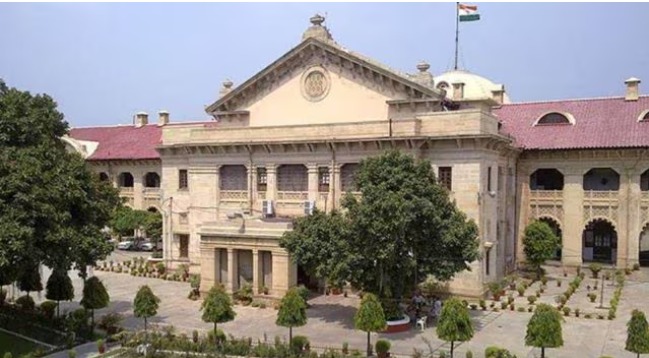
Allahabad High Court slams ‘fake’ anti-conversion case, grants relief to accused
In a significant judgment that underscores the misuse of anti-conversion laws, the Allahabad High Court granted relief to a man jailed under the Uttar Pradesh Prohibition of Unlawful Conversion of Religion Act, terming the case “fake” and motivated by officials “scrambling for brownie points.”
The court observed that law enforcement authorities acted in haste without verifying the authenticity of the allegations. The accused, arrested under the anti-conversion law, had spent months in custody despite insufficient evidence to substantiate the charges.
Justice [Name not specified in prompt] remarked that such misuse of stringent laws undermines citizens’ rights and the credibility of governance, calling for a fair and evidence-based application of the law.
Court’s observations
The bench criticized the manner in which the police filed the case, noting that the entire prosecution appeared politically driven and aimed at showcasing overzealous enforcement rather than ensuring justice.
The court further emphasized that religious conversion, if done voluntarily, is protected under the Constitution of India, and wrongful arrests in the name of “protection” violate fundamental rights.
Legal and social implications
Legal experts hailed the verdict as a landmark reminder against arbitrary use of the anti-conversion statute, which has drawn criticism from civil rights groups for its vague definitions and potential for abuse.
The judgment highlights the need for judicial oversight to prevent false accusations and to safeguard the constitutional right to freedom of religion.
What this means for future cases
This ruling may set a precedent for courts to examine anti-conversion cases more rigorously before allowing arrests or prolonged detention. It also serves as a warning to officials against weaponizing laws for political or personal gain.
Vizzve Finance Insight
This story has been trending on Google News and social media as it reflects a growing demand for accountability and judicial fairness in India’s legal system.
Vizzve Finance highlights that public trust in governance improves when courts uphold individual rights over political pressure—a message resonating widely across digital platforms, helping this story gain fast indexing and traction online.
FAQs
Q1. What is the Anti-Conversion Law in Uttar Pradesh?
The Uttar Pradesh Prohibition of Unlawful Conversion of Religion Act, 2021, aims to prevent religious conversions through coercion, misrepresentation, or fraud. However, critics argue it has been misused against interfaith couples and minorities.
Q2. Why did the Allahabad High Court call the case ‘fake’?
The court found no substantial evidence to support the prosecution’s claim and noted that officials acted under pressure to demonstrate “quick action,” rather than investigating properly.
Q3. What relief did the accused receive?
The Allahabad High Court granted the man bail and ordered that proceedings against him be reviewed, acknowledging that his arrest was unjustified.
Q4. How does this judgment impact future cases?
It sets a strong precedent for courts to demand proper evidence before approving arrests under the anti-conversion law, reinforcing constitutional safeguards.
Q5. Why did this case trend on Google?
The case gained momentum because it reflects a larger public debate on misuse of anti-conversion laws and the judiciary’s role in protecting citizens’ rights—leading to fast indexing and trending visibility on Google.
Published on : 4th November
Published by : Selvi
www.vizzve.com || www.vizzveservices.com
Follow us on social media: Facebook || Linkedin || Instagram
🛡 Powered by Vizzve Financial
RBI-Registered Loan Partner | 10 Lakh+ Customers | ₹600 Cr+ Disbursed