

In a shocking revelation, the Comptroller and Auditor General (CAG) of India has highlighted serious lapses in Madhya Pradesh's drug procurement system. This comes amid the tragic deaths of at least 23 children in Chhindwara district caused by toxic cough syrup. The findings raise questions about regulatory oversight and drug safety in the state.
Audit Findings
The CAG’s 2024-25 report indicates that between 2017 and 2022, the Madhya Pradesh Public Health Services Corporation Limited (MPPHSCL) procured banned drugs worth approximately ₹1.8 crore. Notably, two of these were fixed-dose combinations prohibited by the central government in 2016.
These drugs were purchased through rate contracts and local tenders, suggesting significant gaps in adherence to national safety standards. Furthermore, audits revealed that the Chhindwara Institute of Medical Sciences (CIMS), located in the affected district, did not undergo physical verification of its medical stores between 2018 and 2022, despite state rules mandating annual inspections.
The Cough Syrup Tragedy
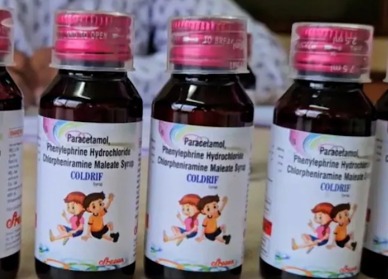
The deaths were linked to Coldrif cough syrup, manufactured by a pharmaceutical company in Tamil Nadu. Tests revealed the presence of diethylene glycol (DEG) at levels nearly 500 times higher than the permissible limit, a toxic chemical known to cause severe kidney and liver damage.
The syrup had reportedly reached at least 594 households in Chhindwara over the past six weeks, underlining the urgency of regulatory scrutiny.
Regulatory Response
In response to the tragedy:
Authorities in several states, including Punjab, imposed a blanket ban on products from the implicated manufacturer.
Madhya Pradesh Food and Drug Administration (MPFDA) placed 30 pharmaceutical companies under scrutiny, testing 243 samples, with three products already declared substandard.
The Central Drugs Standard Control Organisation (CDSCO) recalled the contaminated syrups and halted production.
These actions underscore the need for robust inspection and monitoring mechanisms to prevent further loss of life.
Global Concern
The World Health Organization (WHO) has expressed concern over India’s drug testing lapses, particularly regarding diethylene glycol and polyethylene glycol in oral syrups. The agency is monitoring the situation closely to prevent further incidents and ensure drug safety compliance.
Conclusion
The cough syrup tragedy in Madhya Pradesh is a stark reminder of the critical importance of regulatory oversight and strict enforcement of drug safety standards. Large-scale purchases of banned drugs and gaps in inspection not only compromise public health but also erode trust in the healthcare system. Strengthening drug testing, audits, and supply chain verification is essential to protect lives and prevent similar tragedies in the future.
❓ FAQs
Q1: What caused the cough syrup deaths in Madhya Pradesh?
The deaths were caused by toxic chemicals, specifically diethylene glycol, present in Coldrif cough syrup.
Q2: How did banned drugs enter state hospitals?
The audit revealed that banned drugs were procured through rate contracts and local tenders, bypassing proper safety checks.
Q3: What actions have been taken against pharmaceutical companies?
Authorities banned products from the implicated manufacturer and placed 30 companies under MPFDA scrutiny, recalling substandard products.
Q4: Is this an isolated case?
While the deaths are tragic and specific, the audit indicates systemic lapses in procurement and drug testing that need urgent reform.
Q5: How can such incidents be prevented in the future?
Regular audits, stringent inspection of medical stores, compliance with drug bans, and monitoring of pharmaceutical manufacturers are critical preventive measures.
Published on : 10th October
Published by : SMITA
www.vizzve.com || www.vizzveservices.com
Follow us on social media: Facebook || Linkedin || Instagram
🛡 Powered by Vizzve Financial
RBI-Registered Loan Partner | 10 Lakh+ Customers | ₹600 Cr+ Disbursed
https://play.google.com/store/apps/details?id=com.vizzve_micro_seva&pcampaignid=web_share