

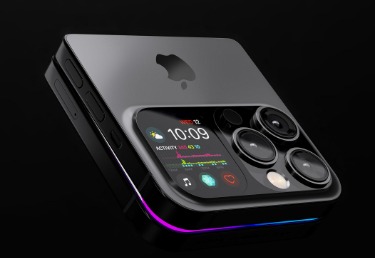
Apple is reportedly preparing to enter the foldable smartphone market, and the latest leaks suggest that the upcoming foldable iPhone will feature a frame made from a combination of titanium and aluminium. This strategic choice of materials aims to balance strength, durability, and weight, setting Apple apart in the premium foldable segment.
Design & Build Insights
Frame Materials:
Apple’s foldable iPhone is said to use titanium for structural rigidity and aluminium for lightweight support. Titanium is known for its high strength-to-weight ratio, while aluminium ensures the device remains light and manageable.
Durability Focus:
Foldable phones face challenges like hinge stress, repeated folding, and accidental drops. Using titanium and aluminium aims to enhance longevity and reliability, addressing durability concerns that have affected previous foldable devices.
Premium Feel:
The combination of metals is expected to give the device a sleek, high-end look and feel, consistent with Apple’s focus on luxury and build quality.
Expected Features of the Foldable iPhone
Flexible OLED Display:
A foldable OLED panel with minimal crease visibility and improved touch sensitivity.
Hinge Mechanism:
Advanced mechanical engineering to ensure smooth folding and long-term durability.
Performance & Battery:
Likely powered by the latest Apple A-series chip and optimized for battery longevity despite the foldable design.
Camera & Software Enhancements:
Apple may integrate fold-optimized camera features and software adaptations for multi-screen usage.
Market Expectations
Premium Segment:
Apple is expected to price the foldable iPhone at the high end, targeting early adopters and loyal Apple fans.
Competition:
Competing against Samsung’s Galaxy Z Fold series and other foldables, Apple aims to differentiate through build quality, ecosystem integration, and performance.
Launch Timeline:
Rumors suggest that the foldable iPhone could launch in 2025–2026, with prototypes already under testing.
FAQ: Apple Foldable iPhone
Q1. What materials will the foldable iPhone frame use?
A: A combination of titanium for strength and aluminium for lightweight support.
Q2. Why titanium and aluminium?
A: Titanium offers durability and rigidity, while aluminium reduces weight and enhances design aesthetics.
Q3. When is the foldable iPhone expected to launch?
A: Likely between late 2025 and early 2026, though Apple has not confirmed an official date.
Q4. How will it compete with Samsung?
A: By focusing on premium build quality, Apple ecosystem integration, and optimized software features.
Q5. Will it be durable?
A: The titanium-aluminium frame is designed to improve hinge longevity and resistance to wear, making it more durable than typical foldable phones.
Conclusion
Apple’s foray into foldable smartphones with a titanium and aluminium frame signals its commitment to quality, durability, and premium design. While the foldable segment is still niche, Apple’s entry could redefine standards in build quality and user experience, challenging competitors and attracting tech enthusiasts worldwide.
Published on : 9th October
Published by : SMITA
www.vizzve.com || www.vizzveservices.com
Follow us on social media: Facebook || Linkedin || Instagram
🛡 Powered by Vizzve Financial
RBI-Registered Loan Partner | 10 Lakh+ Customers | ₹600 Cr+ Disbursed
https://play.google.com/store/apps/details?id=com.vizzve_micro_seva&pcampaignid=web_share