

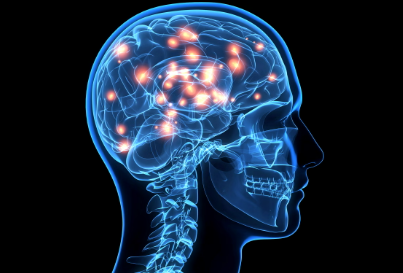
Are Psychopaths Really Born Evil? Canadian Psychologist Challenges the Notion
The age-old question — are psychopaths born evil or made by society? — continues to spark debate among psychologists, ethicists, and neuroscientists. A Canadian psychologist has recently reignited this discussion by asserting, “I wouldn’t kill baby Hitler,” emphasizing that early intervention, not judgment, is key to understanding and managing psychopathy.
Nature vs. Nurture in Psychopathy
Research in psychology and neuroscience shows that psychopathy is not simply a product of “evil genetics.” While biological factors — such as reduced empathy or abnormal amygdala function — may predispose individuals to psychopathic traits, environmental factors like trauma, neglect, or childhood abuse play a decisive role in shaping behavior.
The psychologist explains that labeling children as “evil” can be dangerously simplistic. Instead, recognizing early warning signs and offering therapeutic or social interventions can alter behavioral outcomes.
‘I Wouldn’t Kill Baby Hitler’: The Ethical Dilemma
When asked about the moral dilemma of preventing future evil, the psychologist’s statement — “I wouldn’t kill baby Hitler” — was meant to challenge black-and-white thinking. He argues that every child, even one with potential risk factors, deserves a chance for change. The key lies in understanding human complexity rather than condemning based on potential future actions.
Psychopathy: Understanding, Not Fear
Psychopathy is often sensationalized in media as synonymous with violence or crime. However, psychologists clarify that not all psychopaths are criminals — many exhibit traits like charm, ambition, and strategic thinking that can manifest in non-violent ways. The challenge is identifying when these traits cross ethical boundaries.
By reframing psychopathy as a psychological condition rather than a moral failing, society can encourage empathy, scientific understanding, and effective rehabilitation.
FAQ Section
1. Are psychopaths born evil?
No. While some biological factors can predispose individuals to psychopathic traits, environment, upbringing, and social experiences heavily influence how these traits develop and manifest.
2. Can psychopathy be treated or managed?
Yes. Though psychopathy is complex, early psychological intervention, behavioral therapy, and emotional training can help individuals manage impulsivity and empathy deficits.
3. What did the psychologist mean by “I wouldn’t kill baby Hitler”?
It was a metaphor for rejecting moral absolutism — the idea that even those predisposed to harmful behavior deserve a chance for guidance and change, not elimination.
4. How common is psychopathy in the general population?
Estimates suggest about 1% of the population shows high psychopathic traits, though not all display violent or criminal tendencies.
5. Why is this topic trending online?
The combination of ethical debate, psychological insight, and the “baby Hitler” moral thought experiment has captivated global readers, making it a trending search on Google and discussion boards.
Published on : 18th October
Published by : Reddy kumar
www.vizzve.com || www.vizzveservices.com
Follow us on social media: Facebook || Linkedin || Instagram
🛡 Powered by Vizzve Financial
RBI-Registered Loan Partner | 10 Lakh+ Customers | ₹600 Cr+ Disbursed