

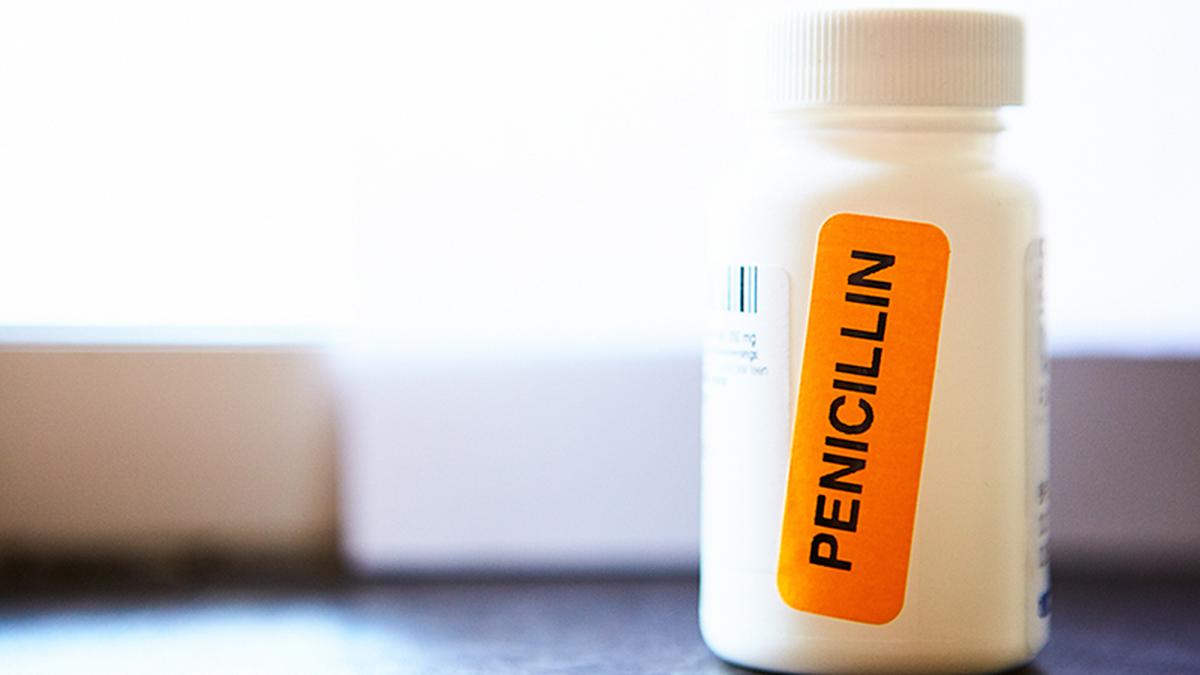
Are You Really Allergic to Penicillin? A Pharmacist Explains Why There’s a Good Chance You’re Not—and How You Can Find Out for Sure
Penicillin allergy is the most commonly reported drug allergy, with about 10% of people claiming to be allergic. However, research and clinical experience show that up to 90% of these individuals are not truly allergic when properly tested. This discrepancy arises because many reported penicillin allergies are based on childhood reactions, vague symptoms, or misunderstandings of side effects rather than true immune-mediated hypersensitivity.
Why Is Penicillin Allergy Often Overdiagnosed?
Many patients report symptoms like rash or gastrointestinal upset that are not caused by an allergic reaction but by viral infections or side effects.
Some reactions recorded in medical records are years or decades old and no longer representative of current allergy status.
Healthcare providers may adopt a “better safe than sorry” approach, leading to labeling patients allergic without confirmatory testing.
This overdiagnosis leads to the use of alternative antibiotics, which can be more expensive, less effective, and contribute to antimicrobial resistance.
How Can You Find Out If You're Truly Allergic?
The gold standard for confirming penicillin allergy is an allergy specialist evaluation including skin testing followed by an oral drug challenge if skin tests are negative.
For many low-risk patients, a direct oral challenge with amoxicillin under medical supervision may be safe and effective.
Pharmacists and doctors can guide you through a detailed allergy history assessment to stratify risk and determine the need for testing.
Patients who are cleared via testing can safely use penicillin and related antibiotics, improving treatment options and outcomes.
Why Confirming Penicillin Allergy Matters
Avoiding unnecessary penicillin allergy labels helps reduce the use of broad-spectrum antibiotics, which can lead to resistant infections such as MRSA or C. difficile.
Accurate allergy diagnosis reduces healthcare costs by enabling more effective and targeted antibiotic use.
It improves patient safety and increases antibiotic choices for infections where penicillin or related drugs are preferred.
Frequently Asked Questions (FAQ) About Penicillin Allergy
Q1: How common is a reported penicillin allergy?
About 10% of people report it, but studies show most are not truly allergic.
Q2: What are common symptoms mistaken for penicillin allergy?
Rashes from viral infections or side effects like nausea often get misinterpreted as allergies.
Q3: Can penicillin allergy go away over time?
Yes, many people lose sensitivity to penicillin as they age.
Q4: How is penicillin allergy diagnosed?
Through allergy skin testing and, if negative, a supervised oral drug challenge.
Q5: What should I do if I think I’m allergic to penicillin?
Consult your healthcare provider or pharmacist about detailed history and possible allergy testing.
Published on: August 3, 2025
Published by: PAVAN
www.vizzve.com || www.vizzveservices.com
Follow us on social media: Facebook || Linkedin || Instagram
🛡 Powered by Vizzve Financial
RBI-Registered Loan Partner | 10 Lakh+ Customers | ₹600 Cr+ Disbursed