

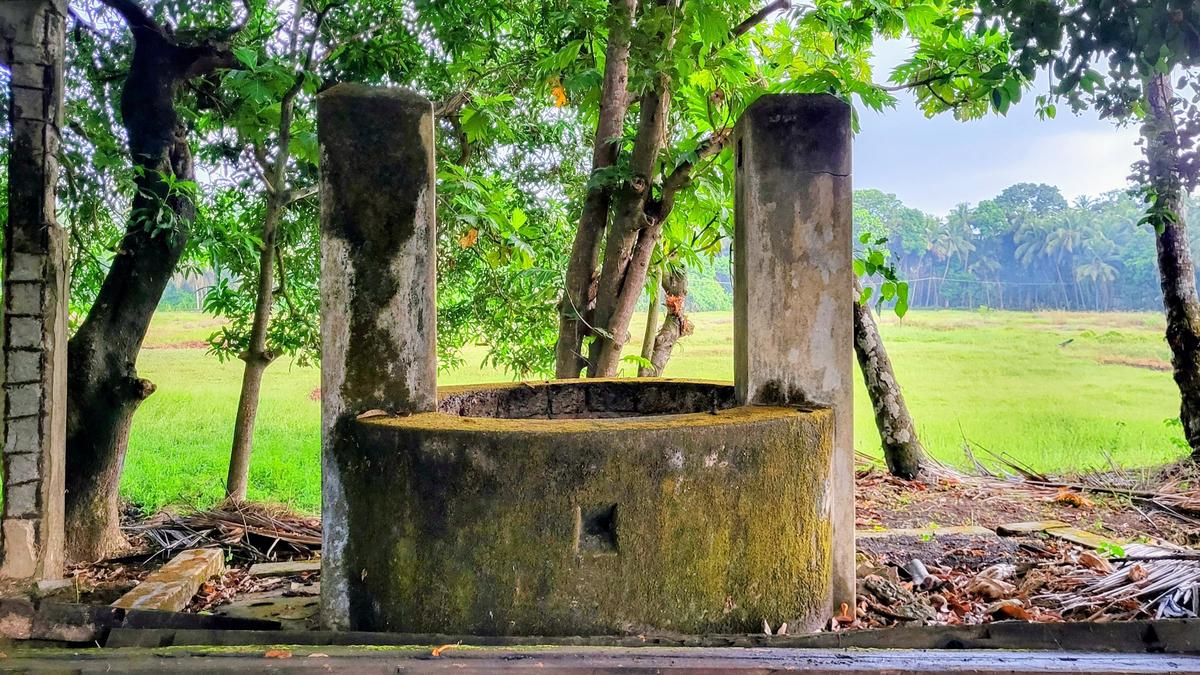
Around 74% of Monitored Wells in Karnataka Registered Rise in Groundwater Level: Jal Shakti Ministry
The Ministry of Jal Shakti recently reported that about 74% of 1,087 wells monitored across Karnataka have registered an increase in groundwater levels. This rise is primarily attributed to copious pre-monsoon showers and timely monsoon rains in 2025, which have significantly replenished the groundwater table in many parts of the state.
Key Highlights
Out of 1,087 wells monitored, nearly three-quarters showed a positive rise in groundwater level compared to previous measurements.
This improvement aligns with data from the Karnataka State Natural Disaster Monitoring Centre and the Ground Water Directorate, emphasizing effective recharge due to above-normal rainfall.
Several taluks in central and northern Karnataka observed a sharp rise, with water levels increasing between 2 to 4 meters below ground level or more.
Conversely, a minority of wells, particularly in expanding urban fringes like Bengaluru East, Nelamangala, and Yelahanka, have recorded declines due to increased extraction and urban growth.
Usage of groundwater has become safer with utilization rates below critical thresholds in many regions, aided by initiatives like enhanced rainwater harvesting and groundwater recharge projects.
Factors Behind the Rise
Excess Pre-monsoon and Monsoon Rainfall: Karnataka received more than double the usual pre-monsoon rainfall in 2025, saturating reservoirs and replenishing aquifers.
Reduced Over-extraction: Agricultural and industrial borewell usage decreased owing to better rainwater availability.
Groundwater Recharge Initiatives: Government and civic bodies have increased recharge wells and promoted sustainable water management practices.
Natural Aquifer Characteristics: Karnataka's predominantly shallow aquifers enable faster replenishment following rains.
Importance of Continued Monitoring
While the current rise is promising, experts caution that long-term sustainability depends on balanced groundwater extraction, continued conservation efforts, and close monitoring, especially as urban expansion presses on water demand.
Frequently Asked Questions
What percentage of wells in Karnataka showed a rise in groundwater levels?
About 74% of 1,087 monitored wells recorded a rise in water levels, signifying an overall positive trend.
What caused the rise in groundwater levels in Karnataka?
Above-normal pre-monsoon and monsoon rains in 2025 played a major role in recharging aquifers, combined with reduced groundwater extraction.
Are there areas with declining groundwater levels?
Yes, some urban and rapidly developing areas like Bengaluru East, Nelamangala, and Yelahanka have shown groundwater declines due to increased demand and extraction.
How does groundwater utilization in Karnataka stand now?
Current utilization is generally within safe limits (below 70%) in most taluks, showing improvement from previous years.
What government measures support groundwater recharge?
Initiatives include drilling thousands of recharge wells, promoting rainwater harvesting, and integrating recharge schemes in urban parks and public spaces.
Why is groundwater monitoring important?
Continuous monitoring helps identify trends, prevent over-extraction, and ensure sustainable water availability for agriculture, industry, and drinking purposes.
Published on: July 29, 2025
Published by: PAVAN
www.vizzve.com || www.vizzveservices.com
Follow us on social media: Facebook || Linkedin || Instagram
🛡 Powered by Vizzve Financial
RBI-Registered Loan Partner | 10 Lakh+ Customers | ₹600 Cr+ Disbursed