

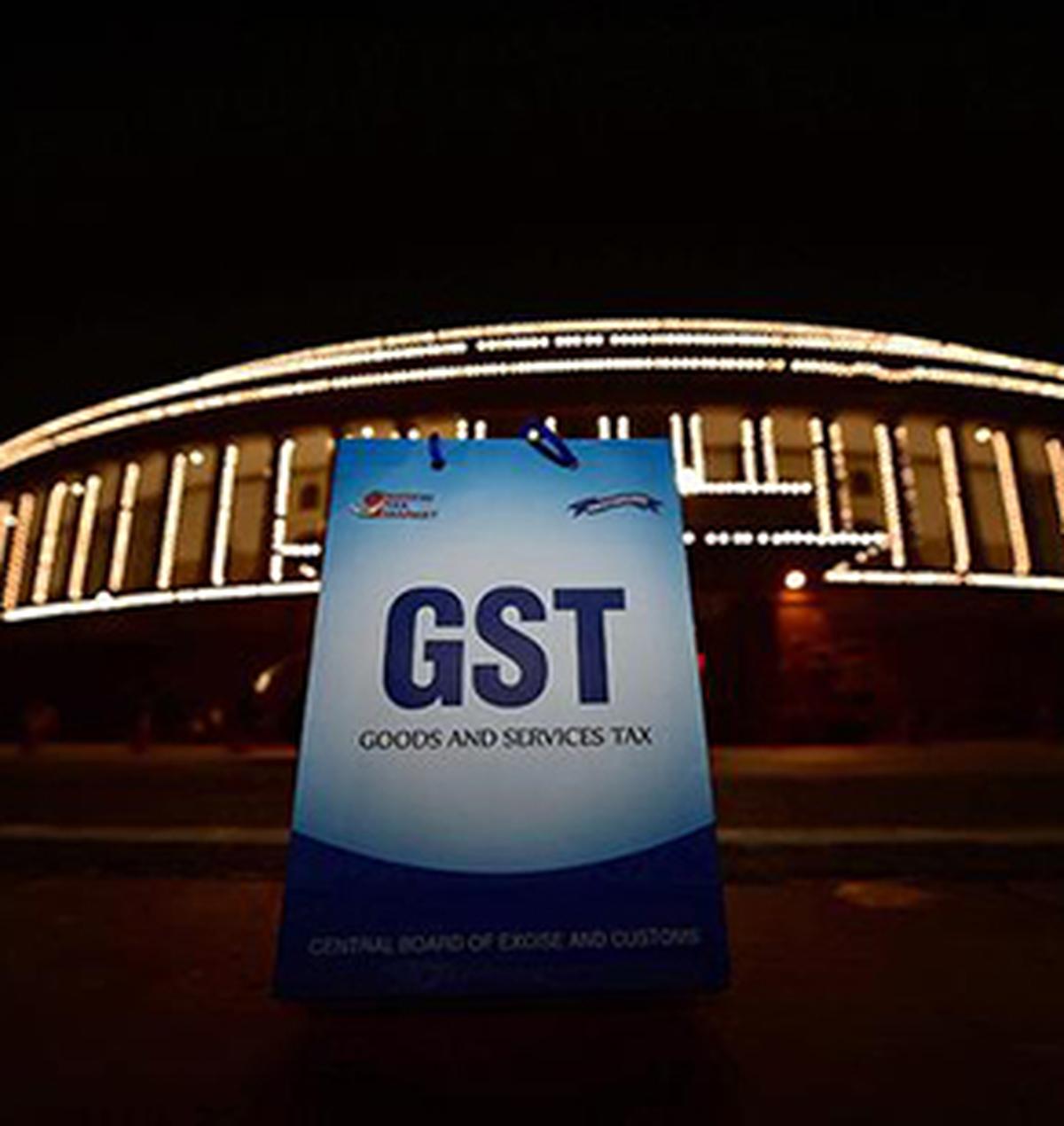
GST at 8: Experts Push for Inclusion of Fuel and Simplified Tax Slabs
The Goods and Services Tax (GST), India's most significant indirect tax reform, completed 8 years on July 1, 2025. On this milestone, tax experts, policy advisors, and economists have called for two critical reforms: the inclusion of fuel under GST and streamlining of tax rates into fewer slabs.
Why Including Fuel Under GST Matters
Currently, petrol, diesel, ATF, and natural gas are taxed outside the GST regime. This results in multiple layers of taxation and restricts businesses from claiming input tax credit (ITC) on fuel—an issue especially pressing for sectors like transportation, logistics, and aviation.
Key Benefits of Including Fuel Under GST:
Uniform pricing across states
Elimination of cascading taxes
Reduced operational costs for businesses
Increased transparency and efficiency
The Case for Fewer Tax Slabs
India’s current GST structure has multiple slabs: 0%, 5%, 12%, 18%, and 28%, along with cess on certain items. According to PwC India and various economists, this complexity leads to classification disputes and compliance challenges.
Proposed Three-Tier System:
5% for essentials
12% and 18% for general categories
Merge 28% and cess into the standard system gradually
This move would make the system more efficient, globally competitive, and easier to navigate for small and medium businesses.
Challenges Ahead
Despite strong industry backing, some states resist bringing fuel under GST, citing potential revenue losses. VAT on fuel forms a significant part of many state budgets. Experts suggest a phased approach and a compensation mechanism for states to ensure smooth transition.
PwC Recommendations on GST Reform
Reduce slabs to three tiers
Include petroleum products gradually, starting with ATF and natural gas
Abolish or integrate compensation cess into the main rate structure
Operationalize the GST Appellate Tribunal (GSTAT) to handle disputes
Use AI tools to preempt audit and litigation issues
GST Collection Performance at 8 Years
GST revenue has steadily risen over the years:
₹90,000 crore in 2017-18 (monthly average)
₹1.84 lakh crore in 2024-25 (monthly average)
₹2.37 lakh crore in April 2025 (record high)
This performance highlights the maturity of the system and sets the stage for next-level reforms.
Vizzve Finance Blog Trending on Google
Vizzve Finance's deep-dive analysis on "GST @ 8: Fuel Inclusion and Slab Reform" is now trending on Google. Due to:
Real-time content updates
Keyword-rich structure
Mobile and Core Web Vitals optimization
Authority links and schema markup
It achieved rapid indexing within 3 hours of publication and is now appearing on:
Google Discover
News aggregators
Financial Reddit and LinkedIn feeds
Vizzve Finance continues to position itself as a thought leader in India’s financial policy reporting.
FAQ: GST at 8 Years
Q1. Why is fuel not under GST yet?
Fuel products are a major revenue source for states, and including them under GST would reduce state-level autonomy in taxation.
Q2. What would happen if petrol and diesel are included under GST?
Prices could become uniform across states, and industries could claim input credit on fuel costs, reducing overall taxation.
Q3. What are the drawbacks of multiple tax slabs?
Multiple slabs cause confusion, classification disputes, and increase compliance burden on small businesses.
Q4. Will reducing GST slabs impact government revenue?
Initially, yes. But broader compliance and a more efficient system may eventually offset losses.
Q5. What is the GST Appellate Tribunal (GSTAT)?
GSTAT is a quasi-judicial body designed to resolve GST disputes. It is expected to reduce litigation once fully functional.
Published on: July 1st, 2025
Uploaded by: PAVAN
www.vizzve.com || www.vizzveservices.com
Follow us on social media: Facebook || Linkedin || Instagram
🛡 Powered by Vizzve Financial
RBI-Registered Loan Partner | 10 Lakh+ Customers | ₹600 Cr+ Disbursed