

Japan Issues Tsunami Warning After Kamchatka Earthquake; Fukushima Disaster Memories Resurface
On July 30, 2025, a powerful magnitude 8.8 earthquake struck off Russia's Kamchatka Peninsula, triggering tsunami waves that prompted urgent tsunami warnings for much of Japan’s Pacific coast, spanning from Hokkaido in the north to Wakayama in the west. The Japan Meteorological Agency (JMA) swiftly escalated alerts to a tsunami warning, urging residents in coastal areas to evacuate to higher ground as waves up to 3 meters (approximately 10 feet) were expected.
The tsunami warnings have triggered widespread evacuations in vulnerable coastal communities and disruptions in transportation, with rail, road, and air travel affected. The Japanese government also established a crisis response taskforce to monitor the situation actively.
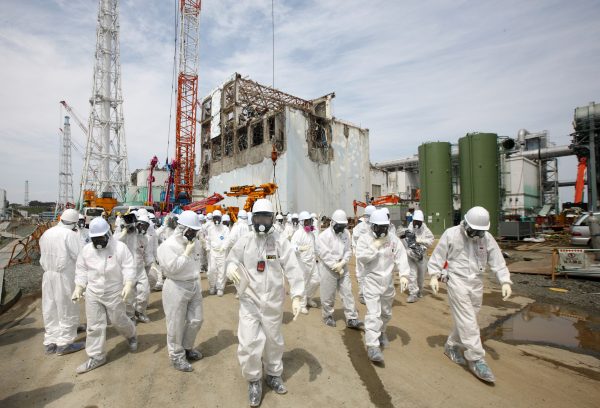
The tsunami warning has revived public anxiety and memories of the devastating 2011 Fukushima nuclear disaster, which was triggered by a massive tsunami following the Tohoku earthquake. Although current alerts are precautionary, the Fukushima plant's staff were quickly moved to safety as a preventive measure, reflecting lessons learned from past tragedies.
Earthquake and Tsunami Details
Date and Time: July 30, 2025, at 8:25 AM local time (Japan)
Epicenter: Off the east coast of Kamchatka Peninsula, Russia
Magnitude: 8.8 (revised from initial 8.7)
Depth: Approximately 19.3 kilometers
Tsunami Height: Expected up to 3 meters along Japan's Pacific coast; up to 4-5 meters observed in parts of Kamchatka, Russia.
The earthquake triggered power outages, structural damage, and panic evacuations in Kamchatka. Meanwhile, tsunami waves were warned to potentially affect not only Japan but also other Pacific regions including Hawaii, the US West Coast, and parts of Russia.
Japan’s Preparedness and Response
Japan’s advanced tsunami warning systems and early evacuation orders have been critical in managing the crisis. Coastal residents were urged through sirens and public messaging to move immediately to designated shelters or elevated areas. Authorities stressed the importance of following official guidance to minimize casualties.
The memory of the Fukushima disaster remains a powerful influence on public and governmental preparedness policies. The 2011 event caused massive loss of life and nuclear contamination, making early warning and timely evacuation the foremost priorities during any tsunami alert in Japan.
FAQs on Japan Tsunami Warning and Fukushima Disaster
What caused the current tsunami warning in Japan?
A magnitude 8.8 earthquake off Russia’s Kamchatka Peninsula triggered tsunami waves, prompting Japan to issue warnings for its Pacific coastal areas to evacuate and prepare for high waves.
How high are the tsunami waves expected to be?
Tsunami waves up to 3 meters high are expected to hit parts of Japan’s Pacific coast, with even higher waves (4-5 meters) recorded in Kamchatka, Russia.
Are there any safety concerns related to nuclear facilities like Fukushima?
Fukushima’s nuclear plant staff were evacuated as a precaution. No immediate nuclear issues have been reported, but safety protocols are strictly followed given the region’s history.
What areas in Japan are affected by the tsunami warning?
The warning covers a wide stretch from Hokkaido in northern Japan to Wakayama Prefecture in the south.
How should people respond to a tsunami warning?
Residents in affected areas should evacuate immediately to higher ground or designated shelters, follow official announcements, and avoid coastal zones until authorities declare it safe.
Does Japan predict earthquakes or tsunamis precisely?
Currently, precise earthquake prediction is not possible. Warning systems rely on early detection post-earthquake to alert populations rapidly for tsunami threats.
Published on: July 30, 2025
Published by: PAVAN
www.vizzve.com || www.vizzveservices.com
Follow us on social media: Facebook || Linkedin || Instagram
🛡 Powered by Vizzve Financial
RBI-Registered Loan Partner | 10 Lakh+ Customers | ₹600 Cr+ Disbursed