

Introduction
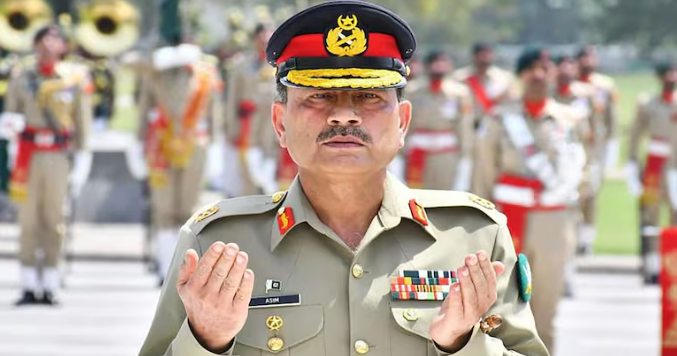
The government of Pakistan is reportedly preparing to table the 27th constitutional amendment, which appears designed to shift the balance of power further in favour of the military and specifically bolster Asim Munir, the army chief.
Key among the proposed changes is an amendment to Article 243 of the Constitution of Pakistan—the article that currently states that the federal government shall have control and command of the armed forces.
This blog breaks down what’s known so far, the implications of the move, how it connects to wider civil-military relations, and what happens next.
What is being proposed?
Here are the major elements of the proposed amendment:
The 27th amendment will include changes to Article 243 — potentially redefining how command and control of the armed forces are structured.
Other provisions reportedly involve establishing a constitutional court, streamlining the appointment of the Chief Election Commissioner, transferring some ministries (e.g., education, population welfare) from provincial to federal control and reducing provinces’ share in federal resources.
The amendment is expected to be tabled soon in Parliament. Deputy Prime Minister Ishaq Dar confirmed the government was bringing it.
The context: Asim Munir was elevated to the rank of Field Marshal earlier this year (a mostly symbolic rank but signalling his prominence) and his term was extended.
Why it matters — the stakes
Civil-military balance
Pakistan has a history of tensions between civilian governments and the military. The 18th Amendment (2010) was a major step toward devolving powers to provinces and strengthening parliamentary rule. The new amendment appears to unwind or alter parts of that legacy by shifting power back toward central/federal control and the armed forces.
Potential implications for Asim Munir
With the amendment, Munir could see:
A firmer legal and constitutional basis for his extended tenure or elevated status.
Increased influence over national policy beyond defence — including internal security, how ministries are run, and federal-province relations.
Reduction in checks and balancing from civilian institutions if the constitution gives the military or its leadership augmented roles.
Impact on provincial autonomy & democracy
Opposition figures and analysts warn that the amendment could “undo the good work of the 18th Amendment” by weakening provincial autonomy and devolved governance.
It also raises concerns about civilian oversight of the military and the risk of further blurring of boundaries between military and civilian authority.
Regional and geopolitical consequences
An empowered military leadership in Pakistan has implications for regional security, especially in the context of Pakistan’s tensions with India, its role in Afghanistan, and the broader global relationships. Analysts note this must be watched closely.
Timeline & context of this move
September 2025: Adviser to the Prime Minister, Rana Sanaullah, stated that Field Marshal Asim Munir would continue as army chief until November 2027.
October/November 2025: Media reports surfaced of the upcoming 27th constitutional amendment and the link to changes in Article 243.
The government holds a two-thirds majority in the National Assembly, which is relevant because constitutional amendments require such a majority.
What it could mean for Pakistan’s polity
Centralisation of power: More power consolidated in federal institutions or military leadership could reduce the influence of provincial governments.
Weakening of civilian oversight: If the constitution shifts control of armed forces or related appointments away from civilian political leaders, democratic accountability may suffer.
Longer tenure & institutionalisation: If the amendment hard-wires the extended tenure of service chiefs (which already has legal backing) it may make leadership change less frequent.
International perception: Investors, foreign governments and analysts may interpret this move as a shift toward more authoritarian governance, which could impact foreign relations and economic confidence.
Domestic reaction: Political parties, civil society groups and provinces may resist or challenge the amendment — either through parliamentary debate or legal/constitutional challenges.
What to watch next
The exact text of the amendment bill: What definitions and phrasing are used regarding service chiefs, control of forces, ministries and provincial rights?
Parliamentary process: Will opposition parties be included? Will the bill go to committee review? How transparent is the process?
Judicial review: Could the courts intervene or challenge the amendment on constitutional grounds?
Response from provinces: Will provincial governments push back if their autonomy is reduced?
International reaction: Diplomatic statements, foreign investor sentiment, and commentary from major powers will matter.
Implementation: Even after passing, how the changes are operationalised (appointments, real-world power shifts) will determine real impact.
FAQ
Q1. What is Article 243 of the Constitution of Pakistan?
Article 243 currently states that “the federal government shall have control and command of the armed forces.” The proposed amendment appears to target revisions to this article.
Q2. Will this amendment automatically extend Asim Munir’s tenure as army chief?
Not necessarily automatically, but the amendment and recent legal changes suggest his tenure has been extended to 2027 under existing law. The constitutional amendment could give more secure legal cover for such extensions.
Q3. Does this mean Pakistan will become a military dictatorship?
It does not by itself guarantee a formal military dictatorship, but it raises serious concerns about erosion of civilian oversight and democratic checks. Many analysts warn that it could tilt the system toward de facto military dominance.
Q4. What is the 18th Amendment and why is it relevant?
The 18th Amendment (2010) significantly increased provincial autonomy and reduced presidential powers, strengthening parliamentary and provincial governance. The current move is seen by many as reversing or undermining some of those gains.
Q5. How soon will the amendment be passed?
The government has signalled it will table the bill soon, and it holds the required two-thirds majority in the National Assembly But passage depends on parliamentary process, committee review, opposition response and possibly legal challenge.
Published on : 6 TH November
Published by : Reddy kumar
www.vizzve.com || www.vizzveservices.com
Follow us on social media: Facebook || Linkedin || Instagram
🛡 Powered by Vizzve Financial
RBI-Registered Loan Partner | 10 Lakh+ Customers | ₹600 Cr+ Disbursed