

1. Overview – August Capex Declines Again
In August 2025, capital expenditure (capex) by major Central Public Sector Enterprises (CPSEs) and four key government entities recorded a decline for the second consecutive month. Spending fell to ₹51,481 crore, compared to ₹52,164 crore in the same month last year.
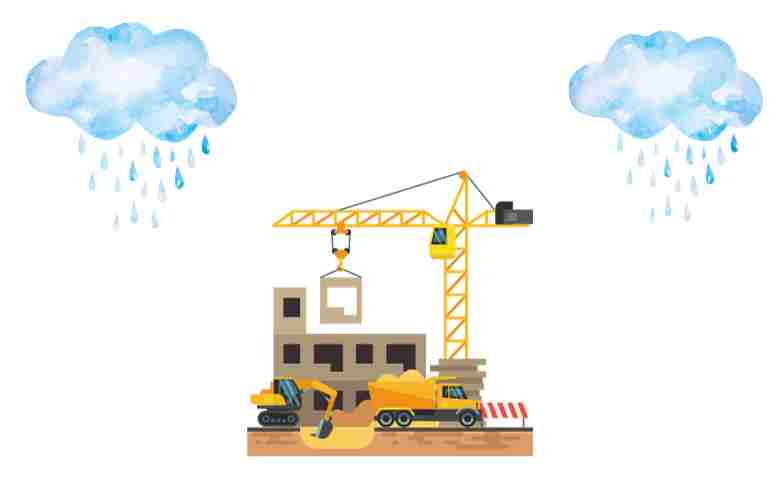
This slowdown is largely attributed to relentless rainfall, which has disrupted infrastructure development and delayed project execution across the country.
2. Causes of the Capex Slowdown
a) Heavy Rainfall Interruptions
Large parts of India witnessed excess rainfall this monsoon season. Floods, waterlogging, and transportation bottlenecks directly stalled construction, roadwork, and rail projects.
b) Seasonal Execution Lags
Infrastructure activity is highly seasonal, with monsoons being the most challenging period. Logistics hurdles, delayed material supply, and unsafe working conditions contribute to reduced capex outlays during this time.
c) High Base Effect
The drop also reflects a high base effect, as last year’s strong spending cycle created a tougher comparison for 2025.
3. Year-to-Date Spending Still Positive
Despite the August dip, cumulative spending for April to August stood at ₹2.72 lakh crore, showing a 1.7% increase over the previous year. This growth was supported by a strong 15% surge in the June quarter.
Thus, while weather-related factors slowed down activity in August, the overall trajectory remains upward.
4. Key Contributors
Railway Board and NHAI (National Highways Authority of India) remain the largest spenders, with significant allocations to transportation and logistics infrastructure.
Delhi Metro Rail Corporation (DMRC) continues to push investments in metro expansion projects.
Damodar Valley Corporation (DVC) contributes with energy and power-related infrastructure capex.
These agencies together account for a major portion of public sector capital expenditure.
5. Strategic Context
Public capex remains the government’s primary lever for driving growth at a time when private investment is yet to pick up pace. With projections suggesting public spending could touch ₹8.5 trillion in FY26, the emphasis on infrastructure development remains strong.
FAQ
Q1: Why did capex fall in August 2025?
Capex dipped mainly due to heavy rainfall, which disrupted infrastructure projects and delayed execution timelines.
Q2: Which government entities are included in this data?
The data covers major CPSEs and four key agencies with annual capex targets above ₹100 crore: Railway Board, NHAI, DMRC, and DVC.
Q3: How much was the decline compared to last year?
Spending in August 2025 was ₹51,481 crore, compared to ₹52,164 crore in August 2024 — a modest drop.
Q4: Did July also show a decline?
Yes, July recorded a sharper 23% year-on-year dip, marking the beginning of this two-month slowdown trend.
Q5: Is overall capex still rising?
Yes. From April to August 2025, capex rose by 1.7%, signaling resilience despite seasonal setbacks.
Q6: What is the outlook for FY26?
Public capex is expected to rise significantly, with estimates suggesting it could cross ₹8.5 trillion, reaching a decade-high level.
Conclusion
The August dip in capital expenditure highlights how weather volatility—particularly monsoon disruptions—can temporarily derail infrastructure progress. However, the broader picture remains optimistic. With strong year-to-date spending and ambitious government targets, public capex continues to be a key driver of India’s economic growth.
Published on : 10th September
Published by : SMITA
www.vizzve.com || www.vizzveservices.com
Follow us on social media: Facebook || Linkedin || Instagram
🛡 Powered by Vizzve Financial
RBI-Registered Loan Partner | 10 Lakh+ Customers | ₹600 Cr+ Disbursed
https://play.google.com/store/apps/details?id=com.vizzve_micro_seva&pcampaignid=web_share