

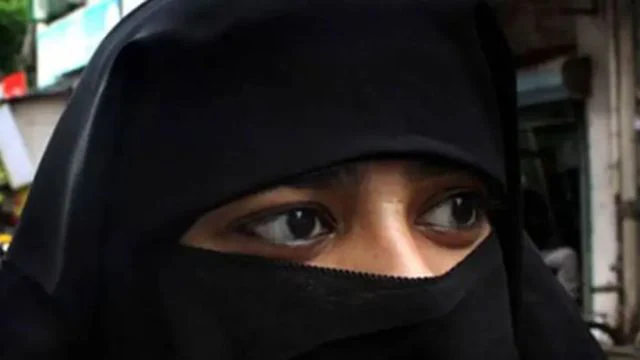
Australian Far-Right Senator Wears Burqa to Parliament, Triggers Nationwide Outrage
A heated political storm erupted in Australia after a far-right senator entered the Parliament chamber wearing a burqa, resulting in widespread condemnation from lawmakers across party lines. The dramatic moment forced the Senate to temporarily suspend proceedings when the senator refused to remove the attire upon request.
What Happened Inside the Senate?
During a scheduled Senate session, the far-right senator walked into the chamber fully covered in a black burqa. The act was immediately met with shock, anger, and objections from multiple members, who called it a disrespectful political stunt rather than a legitimate expression or point of debate.
Senate officials requested the senator to remove the garment to proceed with the discussion, but she declined, escalating tensions. This led to a brief suspension of parliamentary proceedings.
Purpose Behind the Stunt
The senator claimed her intention was to highlight national security risks and argue for a potential ban on the garment in public spaces. Critics, however, viewed it as a discriminatory and inflammatory act targeting Muslim communities.
Political analysts and civil society organizations condemned the act as harmful, divisive, and contrary to Australia’s commitment to multiculturalism and religious freedom.
Reactions from Lawmakers and Public
Several senators labelled the move as disrespectful to Islamic communities.
Prominent leaders called it a publicity stunt aimed at sparking cultural fear.
Human rights advocates stressed that such acts deepen social divides.
The incident went viral across Australia and globally, drawing massive criticism.
Impact on Australian Politics
The incident has reignited debates on freedom of religion, national security, ethnic representation, and political sensationalism. Experts believe such stunts could intensify polarization within the political landscape.
FAQs
1. Why did the senator wear a burqa in Parliament?
She claimed it was to raise concerns about national security, though critics argued it was a provocative act targeting Muslim communities.
2. Was the act allowed under parliamentary rules?
While clothing rules can vary, lawmakers and officials considered the action disruptive and inappropriate for a parliamentary setting.
3. How did the government respond?
Most political leaders condemned the stunt, emphasizing respect for religious diversity and parliamentary decorum.
4. Did the incident lead to rule changes?
As of now, the focus is on political debate rather than immediate rule amendments, but discussions around attire guidelines have resurfaced.
5. Why did the news go viral so quickly?
Strong visuals, cultural sensitivity, political drama, and polarized reactions pushed the story into trending sections across multiple platforms.
source credit : Reuters
Published on : 24TH November
Published by : SARANYA
www.vizzve.com || www.vizzveservices.com
Follow us on social media: Facebook || Linkedin || Instagram
🛡 Powered by Vizzve Financial
RBI-Registered Loan Partner | 10 Lakh+ Customers | ₹600 Cr+ Disbursed