

Introduction
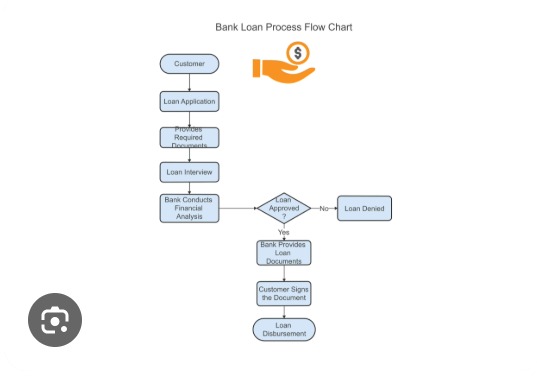
Applying for a bank loan involves several stages, from checking eligibility and preparing documents to credit verification, loan approval, disbursement and repayment. Understanding the bank loan process steps can help borrowers know what to expect and prepare the required information in advance. Whether you are applying for a personal loan, home loan, vehicle loan or business loan, knowing how the process works can make the application more organized and easier to navigate.
Taking a bank loan can help individuals and businesses manage major financial needs such as buying a home, funding education, purchasing a vehicle, or expanding a business. However, understanding the bank loan process steps can make the application smoother and help borrowers prepare the required documents in advance.
What Is a Bank Loan?
A bank loan is money borrowed from a bank or financial institution that must be repaid over an agreed period, usually with interest. Depending on the type of loan, the bank may require collateral or security.
Common types of bank loans include:
- Personal loans
- Home loans
- Education loans
- Vehicle loans
- Business loans
- Gold loans
- Loan against property
Bank Loan Process Steps
The exact process can vary between lenders and loan types, but the major steps generally include the following.
1. Identify Your Loan Requirement
First, determine why you need the loan and how much funding you require. Choose a loan type that matches your financial need.
For example, a home purchase may require a home loan, while short-term personal expenses may be covered by a personal loan.
2. Check Loan Eligibility
Banks generally assess factors such as:
- Age
- Income
- Employment or business status
- Existing debts
- Credit history
- Repayment capacity
- Loan amount requested
Eligibility criteria differ between banks and loan products.
3. Compare Loan Options
Before applying, compare different loan offers based on:
- Interest rate
- Loan tenure
- Processing fees
- Prepayment or foreclosure conditions
- Other applicable charges
- Monthly EMI
Comparing these factors can help borrowers understand the overall cost of borrowing.
4. Prepare the Required Documents
Banks may ask for documents to verify identity, income, address and financial information.
Common documents may include:
- Identity proof
- Address proof
- PAN or other applicable tax identification
- Salary slips or income documents
- Bank statements
- Income-tax documents, where applicable
- Employment or business-related documents
- Property documents for secured loans
The exact requirements depend on the lender and type of loan.
5. Submit the Loan Application
The borrower submits the completed application form along with the required documents.
Applications may be submitted through:
- Bank branches
- Official bank websites
- Mobile banking applications
- Authorized loan channels
Applicants should carefully check the information before submitting the application.
6. Document Verification
The bank reviews the submitted documents and may verify the information provided in the application.
For certain loans, additional verification may be required, including employment, income, property or business verification.
7. Credit Assessment
The bank evaluates the applicant's credit profile and repayment capacity. Credit history, existing liabilities, income and other relevant financial information can form part of this assessment.
A stronger repayment profile may improve the applicant's ability to qualify, subject to the lender's criteria.
8. Loan Approval
If the bank is satisfied with the application and assessment, it may approve the loan.
The lender generally communicates important terms such as:
- Approved loan amount
- Interest rate
- Loan tenure
- EMI
- Applicable fees and charges
- Other terms and conditions
9. Loan Agreement and Documentation
After approval, the borrower may need to complete the required loan documentation and accept the lender's terms.
For secured loans, additional security or collateral-related documentation may be required.
10. Loan Disbursement
Once all required formalities are completed, the bank disburses the approved loan amount according to the loan agreement.
Depending on the loan type, the amount may be credited to the borrower's account or paid directly to the relevant seller, institution or beneficiary.
11. EMI Repayment Begins
After disbursement, the borrower must repay the loan according to the agreed schedule.
Repayment commonly takes place through monthly EMIs. Each EMI generally includes a principal component and an interest component.
Bank Loan Process at a Glance
| Step | Process |
|---|---|
| 1 | Identify loan requirement |
| 2 | Check eligibility |
| 3 | Compare loan options |
| 4 | Prepare documents |
| 5 | Submit application |
| 6 | Document verification |
| 7 | Credit assessment |
| 8 | Loan approval |
| 9 | Complete agreement and documentation |
| 10 | Loan disbursement |
| 11 | Begin repayment |
Factors That Can Affect Loan Approval
Several factors can influence the lender's decision, including:
- Credit history
- Income and employment stability
- Existing loan obligations
- Debt-to-income or repayment capacity
- Loan amount requested
- Loan tenure
- Type of loan
- Security or collateral, where applicable
- Accuracy and completeness of documents
How to Make the Bank Loan Process Easier
Borrowers can prepare for the application by:
- Checking their credit report before applying.
- Keeping income and identity documents ready.
- Comparing loan costs instead of looking only at the interest rate.
- Providing accurate information on the application.
- Understanding the EMI and total repayment obligation.
- Reading the loan agreement carefully before accepting it.
- Asking the lender about all applicable fees and charges.
Bank Loan vs Loan from Other Sources
| Feature | Bank Loan | Other Lending Sources |
|---|---|---|
| Lender | Bank | May include NBFCs or other institutions |
| Documentation | Depends on loan type | Varies |
| Interest rate | Depends on product and borrower | Varies |
| Credit assessment | Usually conducted | May vary |
| Security | Required for some loans | Depends on product |
| Repayment | Usually scheduled | Depends on agreement |
Frequently Asked Questions
How long does the bank loan process take?
The processing time varies depending on the bank, loan type, documentation and verification requirements.
What documents are required for a bank loan?
Common documents include identity proof, address proof, income documents and bank statements. Secured loans may require additional property or collateral documents.
Does a good credit score guarantee loan approval?
No. Credit history is only one factor. Banks may also consider income, repayment capacity, existing obligations and other eligibility criteria.
Can I apply for a bank loan online?
Many banks provide online loan application facilities. The process and available services vary by lender and loan type.
What happens after loan approval?
After approval, the borrower generally completes the required documentation and loan agreement before the lender disburses the loan amount.
When does EMI repayment start?
The repayment schedule depends on the loan agreement and the lender's terms. Borrowers should check the first EMI date provided by the bank.
Can a bank reject a loan application?
Yes. A lender may reject an application if the applicant does not meet its eligibility, credit, income, documentation or other underwriting requirements.
What is loan disbursement?
Loan disbursement is the release of the approved loan amount by the lender after the required conditions and formalities have been completed.
Key Takeaways
- The bank loan process usually starts with identifying the loan requirement.
- Eligibility and loan costs should be checked before applying.
- Proper documentation can help avoid unnecessary delays.
- Banks may verify income, credit history and repayment capacity.
- Approval is followed by documentation and loan disbursement.
- Borrowers should understand the interest rate, EMI, fees and repayment terms before accepting a loan.
Conclusion
Understanding the bank loan process steps can help borrowers prepare better and avoid common application delays. From checking eligibility and submitting documents to credit assessment, approval, disbursement and EMI repayment, each stage plays an important role. Before taking a loan, borrowers should compare the complete cost of borrowing and carefully review the lender's terms and conditions.
Published on : 27th September
Published by : MONISHA
www.vizzve.com || www.vizzveservices.com
Follow us on social media: Facebook || Linkedin || Instagram
🛡 Powered by Vizzve Financial
RBI-Registered Loan Partner | 10 Lakh+ Customers | ₹600 Cr+ Disbursed