

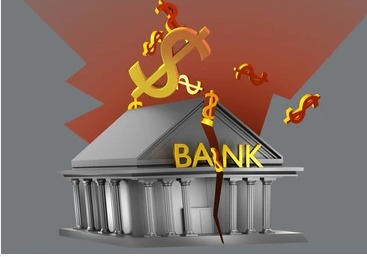
India’s banking sector has recently experienced a liquidity crunch, leading to concerns among businesses, investors, and depositors. A liquidity squeeze can impact lending, interest rates, and overall financial stability. Understanding the causes, implications, and potential relief measures is critical for both market participants and the general public.
What is a Banking Liquidity Crunch?
A liquidity crunch occurs when banks face a shortage of liquid funds (cash or easily sellable assets) to meet short-term obligations like loans, withdrawals, or interbank settlements. This can cause tight credit availability, higher borrowing costs, and reduced lending capacity.
Causes of the Current Liquidity Squeeze
High Demand for Loans
Businesses and retail borrowers have increased demand for credit post-pandemic, stretching bank reserves.
Large Government Borrowing
Government borrowings through bonds and treasury bills absorb significant funds from the financial system, reducing liquidity for banks.
Regulatory & Reserve Requirements
RBI’s Cash Reserve Ratio (CRR) and Statutory Liquidity Ratio (SLR) obligations require banks to maintain a portion of deposits in non-lendable forms, limiting usable funds.
Delayed Inflows from Corporates
Delays in corporate repayments and collections reduce available cash, compounding the liquidity issue.
Global Financial Pressures
Rising international interest rates and foreign capital outflows can restrict liquidity in the domestic banking system.
Implications of the Liquidity Crunch
Higher Interest Rates: Reduced bank liquidity can push lending rates higher, impacting home loans, business loans, and consumer credit.
Credit Tightening: Banks may become cautious in issuing loans, especially to riskier borrowers.
Market Volatility: Stock and bond markets can react to liquidity constraints, affecting investor sentiment.
Impact on Businesses: Small and medium enterprises (SMEs) could face delays in working capital financing.
Measures & Potential Relief
RBI Liquidity Infusions
The central bank can inject liquidity via repo operations, long-term repo facilities (LTRF), or open market purchases.
Adjustments in CRR/SLR
Temporarily reducing mandatory reserves frees up funds for lending.
Government Support
Treasury support or targeted sectoral credit schemes can alleviate pressure on banks.
Market-Based Solutions
Banks may borrow from each other in the interbank market to bridge short-term gaps.
When Will Relief Arrive?
Relief depends on RBI interventions and government measures. Typically, liquidity injections or CRR adjustments take effect within days to weeks. Early signs of easing include:
Lower interbank lending rates
Increased credit availability for businesses
Stabilized bond yields and stock market reactions
Key Takeaways
The liquidity crunch is driven by high demand, government borrowing, regulatory constraints, and global pressures.
Short-term relief is likely through RBI interventions, but long-term stability requires prudent fiscal and monetary management.
Businesses and individuals should plan cash flow and borrowing carefully during this period.
FAQs
Q1. What is a liquidity crunch in banking?
It occurs when banks lack enough liquid funds to meet short-term obligations like loans and withdrawals.
Q2. What caused the current squeeze in India?
High credit demand, government bond issuances, regulatory reserve requirements, corporate delays, and global interest rate pressures.
Q3. How does it affect borrowers?
Loan interest rates may rise, and credit availability can tighten, especially for riskier borrowers.
Q4. How will RBI provide relief?
Through liquidity injections, repo operations, and adjustments to CRR/SLR ratios.
Q5. When will the banking system stabilize?
Typically, relief measures take a few days to weeks, but full stabilization depends on market and government responses.
Published on : 23rd September
Published by : SMITA
www.vizzve.com || www.vizzveservices.com
Follow us on social media: Facebook || Linkedin || Instagram
🛡 Powered by Vizzve Financial
RBI-Registered Loan Partner | 10 Lakh+ Customers | ₹600 Cr+ Disbursed
https://play.google.com/store/apps/details?id=com.vizzve_micro_seva&pcampaignid=web_share