

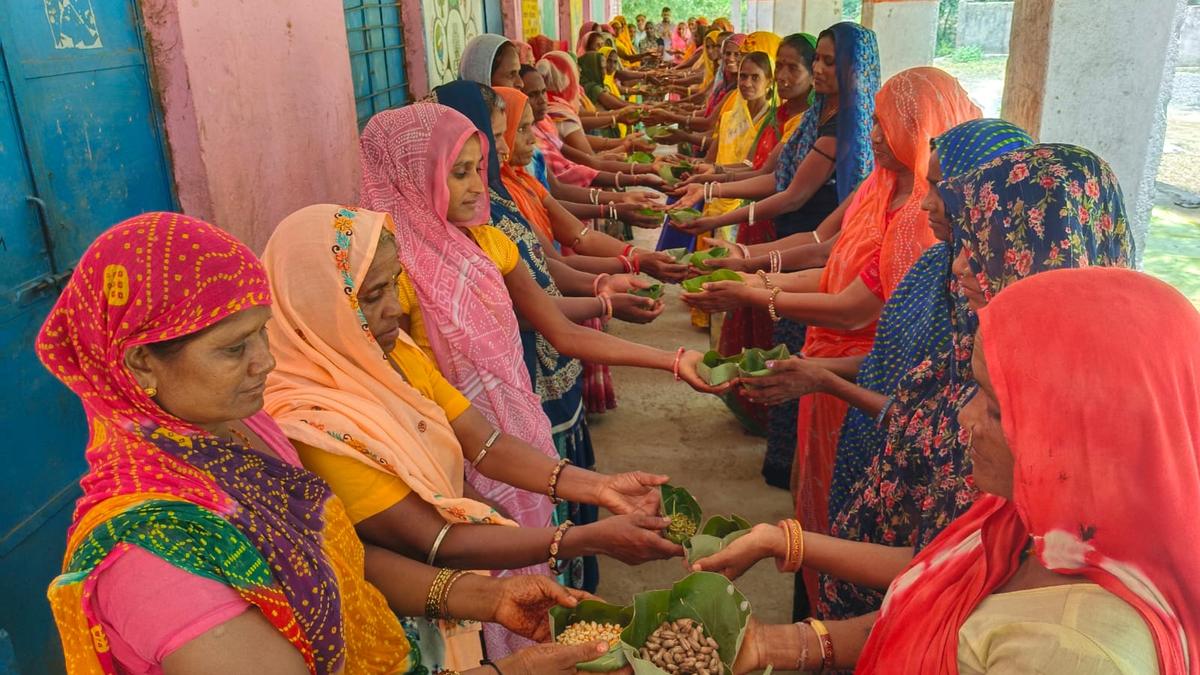
‘Beej Utsav’ Highlights Role of Indigenous Seeds in Agricultural Sustainability
The annual ‘Beej Utsav’ (Seed Festival) is gaining momentum across India as a powerful grassroots movement to promote indigenous seeds and revive traditional agricultural practices. Held in rural and semi-urban farming communities, this event celebrates seed sovereignty, biodiversity, and ecological farming as key pillars for sustainable food systems.
Reviving India’s Seed Heritage
For generations, Indian farmers cultivated diverse, climate-resilient indigenous seeds suited to their regions. However, with the rise of hybrid and genetically modified (GM) seeds, these native varieties began to vanish. Beej Utsav acts as a platform to exchange, showcase, and preserve these traditional seeds, empowering farmers to reclaim control over their crops.
“These native seeds require fewer chemicals, adapt better to local soils, and are more nutritious,” say agroecologists.
A Farmer-Led Movement for Agro-Biodiversity
Organized by local farming cooperatives, seed banks, and ecological NGOs, Beej Utsav events include seed exhibitions, farmer-to-farmer exchanges, knowledge-sharing workshops, and cultural performances that center around the theme of ecological resilience.
Key features:
Displays of heritage rice, millet, pulses, and vegetable varieties
Sessions on organic farming techniques
Talks on seed saving and climate adaptation
Community seed banks showcasing success stories
Why Indigenous Seeds Matter for Sustainability
Indigenous seeds:
Preserve biodiversity
Require less water and fewer chemical inputs
Are more resistant to pests and climatic fluctuations
Promote local food security and cultural continuity
By returning to native varieties, farmers reduce their dependence on corporate seed systems, while contributing to regenerative agriculture.
Policy and Public Engagement
While the Indian government promotes seed diversity through programs like Paramparagat Krishi Vikas Yojana (PKVY), Beej Utsav fills the gap by building community awareness and bottom-up leadership. It also encourages the next generation to view farming as a culturally rich and sustainable livelihood.
Frequently Asked Questions (FAQ)
Q1. What is Beej Utsav?
Beej Utsav is a seed festival that celebrates indigenous seeds and promotes sustainable agriculture through seed exchange, awareness, and cultural events.
Q2. Who organizes Beej Utsav?
Local farmers, cooperatives, environmental NGOs, and seed-saving communities usually organize the event.
Q3. Why are indigenous seeds important?
They are climate-resilient, require fewer chemical inputs, support biodiversity, and ensure food security.
Q4. Is Beej Utsav held across India?
Yes, versions of Beej Utsav are held in states like Maharashtra, Karnataka, Odisha, and others with strong ecological farming communities.
Q5. How can I participate or support Beej Utsav?
You can attend local events, support seed-saving initiatives, or collaborate with agroecology NGOs working on indigenous farming systems.
Published on: June 25, 2025
Uploaded by: PAVAN
www.vizzve.com || www.vizzveservices.com
Follow us on social media: Facebook || Linkedin || Instagram
🛡 Powered by Vizzve Financial
RBI-Registered Loan Partner | 10 Lakh+ Customers | ₹600 Cr+ Disbursed