

Content
Behind the Flooding of River Ravi: Punjab’s Dam Decisions in Focus
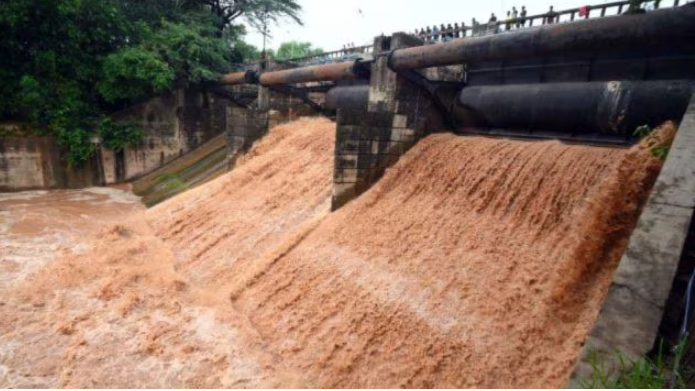
The recent flooding of River Ravi has left thousands affected, sparking debates over whether it was a natural calamity or a policy misstep. Experts and opposition leaders point to the Punjab government’s dam management decisions, raising questions about water release, infrastructure planning, and flood preparedness.
Key Factors Behind the Flooding
Sudden Release of Water – Reports suggest that water from key dams on Ravi was released in large volumes without adequate warning.
Poor Flood Forecasting – Despite monsoon predictions, officials allegedly failed to create buffer storage in reservoirs.
Aging Infrastructure – Several barrages and embankments along the Ravi are decades old, reducing their ability to withstand heavy inflows.
Political Oversight – Opposition parties claim the government ignored expert advice and prioritized short-term power generation over long-term safety.
Impact of the Flood
Thousands of families displaced in low-lying areas.
Crop destruction in major agricultural belts.
Disruption in road and rail connectivity.
Rising economic burden on state relief funds.
Government’s Response
The Punjab government maintains that excessive rainfall and upstream flows were the main reasons behind the floods. However, critics argue that better dam operation protocols could have prevented large-scale damage.
Broader Lessons for Flood Management
Integrated River Basin Planning is needed to balance irrigation, power, and flood safety.
Modernization of Dams with automated gates and real-time monitoring should be prioritized.
Community-Level Warnings can save lives if issued timely.
Climate-Resilient Infrastructure is essential as extreme weather becomes more frequent.
FAQ Section
Q1. Why did River Ravi flood this year?
The flooding was primarily due to sudden water releases from dams, heavy rainfall, and outdated infrastructure, compounded by lapses in planning.
Q2. Could the Punjab government have prevented the floods?
Experts suggest better dam operation and early warnings could have reduced the scale of damage, though excessive rainfall was also a factor.
Q3. Which areas were most affected by the Ravi floods?
Low-lying districts along the Ravi river basin in Punjab witnessed severe damage to homes, crops, and roads.
Q4. What steps are being taken to prevent future floods?
Plans include modernizing dam infrastructure, strengthening embankments, and adopting advanced flood forecasting models.
Q5. How does this impact Punjab’s economy?
Floods not only cause immediate loss of crops and property but also strain state finances due to compensation and relief efforts.
Published on : 9th September
Published by : aswini
www.vizzve.com || www.vizzveservices.com
Follow us on social media: Facebook || Linkedin || Instagram
🛡 Powered by Vizzve Financial
RBI-Registered Loan Partner | 10 Lakh+ Customers | ₹600 Cr+ Disbursed
https://play.google.com/store/apps/details?id=com.vizzve_micro_seva&pcampaignid=web_share