

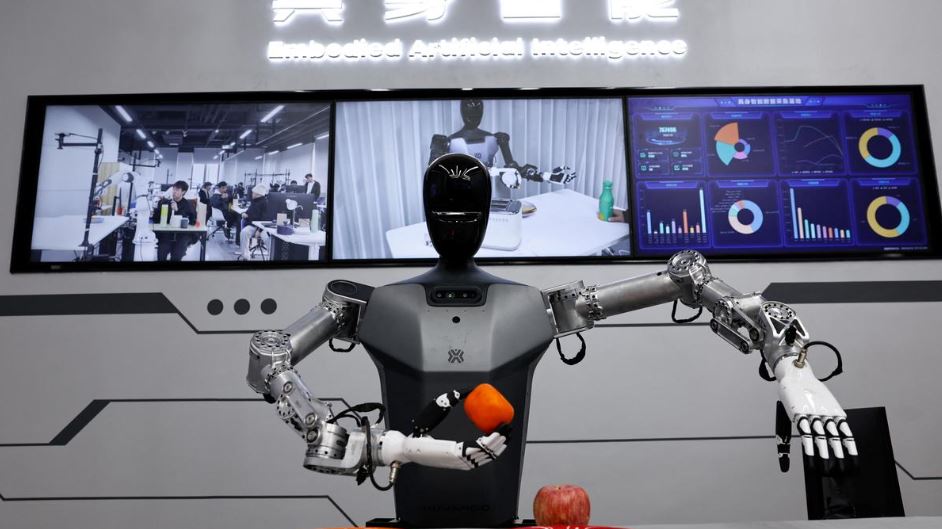
As the global race to develop advanced robotics and artificial intelligence accelerates, China has made a public assurance that humanoid robots will not replace human workers. A senior official from Beijing emphasized that the development of robotics is intended to support and augment human productivity—not eliminate human labor.
This statement comes amid rising concerns about the impact of AI and robotics on employment, particularly in sectors such as manufacturing, logistics, and service industries.
“Humanoid robots are being developed to assist humans, not to replace them,” said the official during a government-backed tech innovation summit. “Our goal is to enhance productivity while preserving jobs and creating new roles.”
China’s AI Ambitions and Worker Protections
China is currently at the forefront of AI and robotics innovation, with state-backed initiatives aiming to lead the world in humanoid robot development by 2030. However, the government’s narrative now appears to be focused on responsible AI integration.
Key takeaways from the Beijing official’s address:
-
Robots will work alongside humans, especially in dangerous, repetitive, or high-precision tasks.
-
Employment protection laws will evolve to adapt to AI-enhanced workplaces.
-
The focus is on collaboration, not substitution.
This aligns with China's long-term policy to balance tech innovation with social stability, especially as automation becomes more prevalent.
The Reality of Robotics in China's Workforce
Currently, China’s robots are used primarily in:
-
Assembly lines
-
Medical surgery assistance
-
Elderly care
-
Hazardous environments like mining and firefighting
Full humanoid robots, although advancing rapidly, are still in the early stages of deployment and not yet capable of complex decision-making or emotional intelligence—both vital in many human roles.
Frequently Asked Questions (FAQ)
Q1. Will humanoid robots take over jobs in China?
A: According to Beijing officials, no. Robots are intended to support human tasks, especially in high-risk or repetitive jobs, not replace them outright.
Q2. What is the Chinese government’s position on AI and jobs?
A: China promotes responsible AI integration. Policies are being designed to ensure robots enhance productivity without leading to mass unemployment.
Q3. In which industries will China deploy humanoid robots?
A: Initially in manufacturing, healthcare, public safety, and elder care—areas where human-machine collaboration can improve efficiency and safety.
Q4. Are there any labor laws protecting jobs from AI in China?
A: While laws are still evolving, the government is pushing for frameworks that balance innovation with employment protection and upskilling.
Q5. How does China compare to other countries in humanoid robotics?
A: China is among the global leaders, alongside Japan, the U.S., and South Korea, investing heavily in robotics R&D and commercialization.
Final Thoughts
China's statement reassures the world that technology will be a partner, not a replacement, in the workforce. As humanoid robots become more capable, the focus remains on human-machine collaboration, economic productivity, and safeguarding employment.
The global conversation around AI and jobs is just beginning, but China’s position may set the tone for a more balanced and ethical future of work.
Updated: May 17, 2025 By : Abhishek Rana