

Content
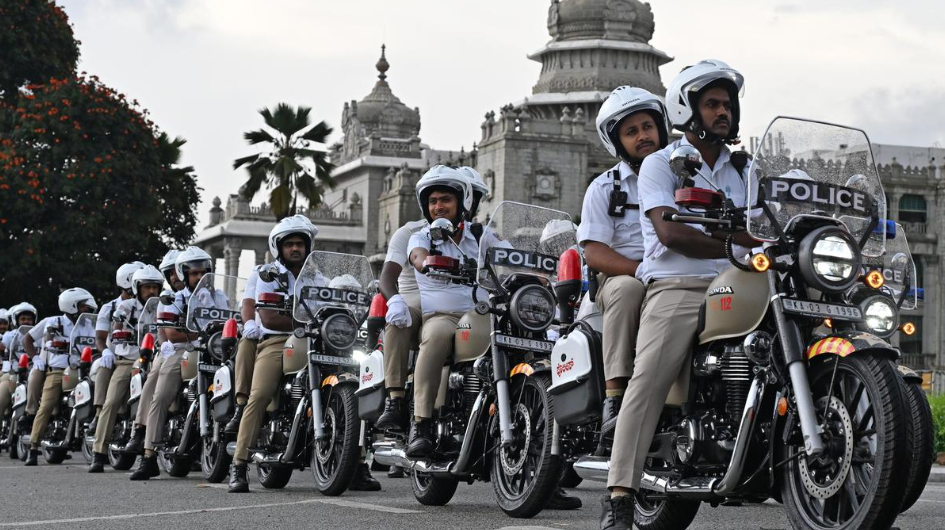
The Bengaluru Traffic Police have introduced a new initiative called ‘Cobra Beat’ to reduce congestion in micro-level traffic zones across the city. The system focuses on spot-based intervention, where police teams are deployed at smaller internal junctions, narrow corridors, and choke points that often go unnoticed but significantly contribute to long traffic delays.
Unlike traditional traffic control strategies that primarily manage major intersections, Cobra Beat teams monitor ground-level traffic movement within neighborhoods, tech corridors, school routes, commercial clusters, and narrow roadways. This model aims to ensure that congestion is addressed before it builds up into larger traffic jams.
How Cobra Beat Works
Deployment of mobile patrol traffic units at high-friction points.
Real-time observation and clearance of bottlenecks.
Coordination with signal rooms and central traffic command centers.
Quick response approach instead of static placement.
Officials believe that even small traffic obstructions—such as wrongly parked vehicles, narrow U-turns, roadside loading, and sudden pedestrian flow—can create large-scale roadblocks if left unmanaged.
Expected Impact
Smoother traffic flow at neighborhood level.
Reduced travel time inside city limits.
Lower pressure on major junctions.
Enhanced responsiveness to dynamic traffic conditions.
Key Takeaways
Cobra Beat focuses on local road-level congestion instead of only main junctions.
Mobile patrol teams are deployed to clear roadblocks at the source.
Expected to reduce delays and improve daily commute efficiency in Bengaluru.
FAQ
1. What is ‘Cobra Beat’?
It is a mobile traffic management system designed to control micro-level congestion at smaller internal road points.
2. Which areas will benefit first?
High-density neighborhoods, tech corridors, school zones, and commercial localities are priority zones.
3. How is it different from regular traffic monitoring?
Instead of fixed junction control, Cobra Beat teams move across smaller routes to prevent buildup before it spreads.
4. Will this reduce traffic in peak hours?
If executed consistently, it can significantly reduce bottlenecks formed during office and school rush hours.
5. Is this a permanent or trial initiative?
Currently introduced as an active operational strategy, with performance to be reviewed for expansion.
Published on : 6 th November
Published by : Reddy kumar
www.vizzve.com || www.vizzveservices.com
Follow us on social media: Facebook || Linkedin || Instagram
🛡 Powered by Vizzve Financial
RBI-Registered Loan Partner | 10 Lakh+ Customers | ₹600 Cr+ Disbursed