

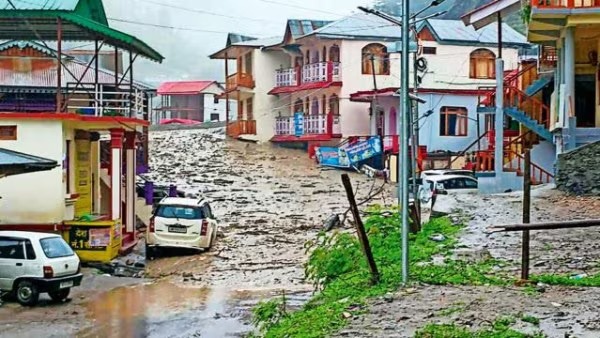
When torrential rain hit Uttarakhand, triggering a deadly cloudburst and flash floods, the disaster once again exposed the vulnerability of India’s urban and semi-urban areas to climate extremes. With climate change intensifying extreme rainfall events, cities can no longer rely solely on traditional flood defenses — they must integrate climate resilience strategies into planning, infrastructure, and governance.
The Cloudburst Reality
Definition: A sudden, intense downpour exceeding 100 mm/hour.
Impact in Uttarakhand: Washed away bridges, destroyed homes, and left thousands stranded.
Wider Concern: Increasing frequency in Himalayan regions due to climate shifts.
Why Cities Must Take Note
Even though the disaster occurred in a mountain state, its lessons are critical for metros and smaller cities alike. Urban flooding in Mumbai, Bengaluru, and Chennai in recent years shows that intense rainfall events are no longer confined to hill states.
Climate Resilience Strategies for Cities
1. Nature-Based Solutions (NBS)
Urban Wetlands: Act as natural sponges for excess rainwater.
Urban Forests & Green Roofs: Reduce heat and slow down stormwater runoff.
2. Blue-Green Infrastructure
Combine water management (“blue”) with green spaces to absorb and filter rainwater.
Example: Singapore’s ABC Waters Programme.
3. Early Warning Systems
AI-powered weather predictions and SMS alerts for residents in high-risk zones.
Real-time flood dashboards for emergency services.
4. Permeable City Design
Ban on excessive concretisation.
Encourage permeable pavements and rain gardens.
5. Climate-Responsive Urban Planning
Avoid construction in floodplains and high-risk slopes.
Mandatory climate risk assessments for all new developments.
Expert Insights
“Cities can’t just respond to disasters — they must anticipate them,” says Dr. Kavita Rao, climate adaptation specialist.
“Nature-based infrastructure costs less in the long run and saves more lives than reactive measures,” adds urban planner Amit Deshpande.
Challenges to Implementation
Lack of political will to enforce zoning laws.
Funding constraints for large-scale resilience projects.
Public apathy until disaster strikes.
The Road Ahead
The Uttarakhand cloudburst is a stark reminder that climate adaptation is not optional. By combining technology, policy reform, and community participation, Indian cities can shift from disaster reaction to climate resilience.
Published on : 11th August
Published by : SMITA
www.vizzve.com || www.vizzveservices.com
Follow us on social media: Facebook || Linkedin || Instagram
🛡 Powered by Vizzve Financial
RBI-Registered Loan Partner | 10 Lakh+ Customers | ₹600 Cr+ Disbursed