

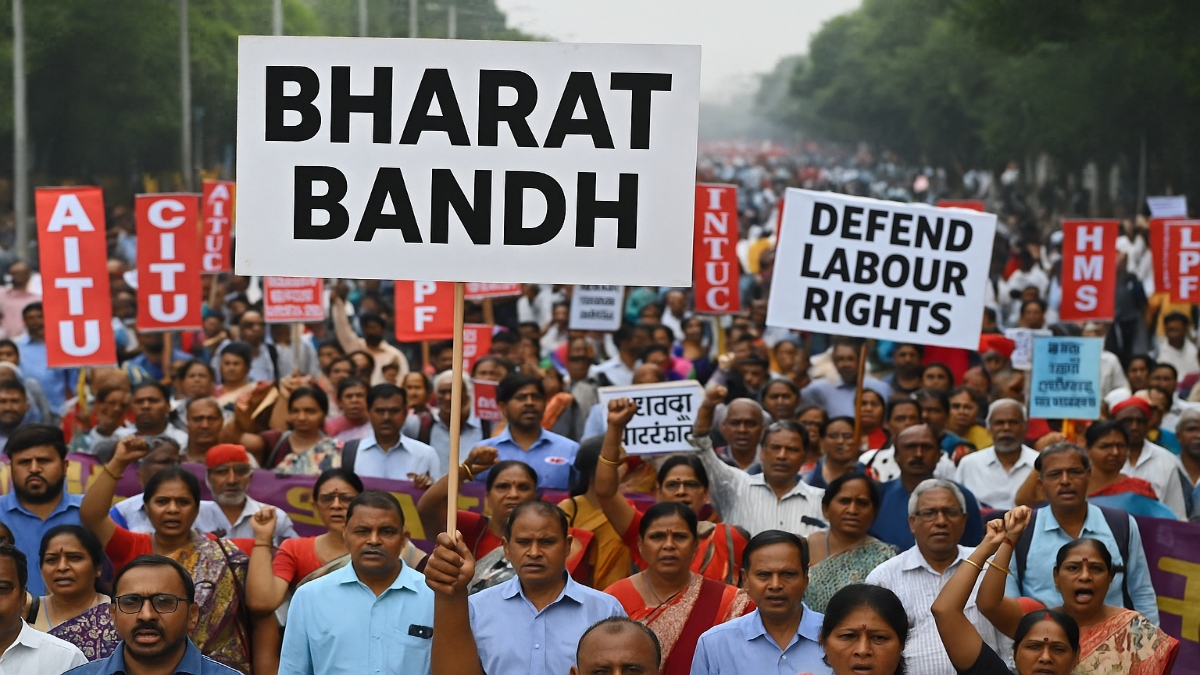
In one of the largest coordinated industrial actions India has seen, over 25 crore workers from public and private sectors united under the Bharat Bandh banner this week.
The protest isn't just a political or labor story—it has direct financial consequences for your salary, savings, investments, and job market stability.
Here’s what’s going on and what you should do next, with insights from Vizzve Finance.
🔥 Why Are Workers Protesting?
The Bharat Bandh has drawn support from:
Trade unions
Farmers’ groups
Student associations
Government and private sector employees
Key Demands:
Roll back on labor code reforms
Increase minimum wages
Job security and permanent employment
Inflation control
Universal social security
📢 “Roti, Rozgar aur Samman”—this is not just political, it’s about everyday livelihood.
🧠 What Does This Mean for the Economy?
📉 1. One-Day Loss = Thousands of Crores
A single day of Bharat Bandh leads to:
Manufacturing and logistics shutdowns
Banking delays (cheques, NEFT/RTGS slowdowns)
Retail & supply chain disruptions
India could see ₹20,000–₹25,000 crore loss in economic output depending on the scale and duration.
💼 2. Impact on Small Businesses & Daily Wage Earners
Street vendors, cab drivers, gig workers face zero-income days
MSMEs lose production days but still bear costs like rent, electricity
If you're self-employed, Vizzve recommends building a minimum 15-day emergency buffer.
🏦 3. Banking Sector Under Pressure
Striking workers from:
PSU banks
Insurance companies
Cooperative institutions
Possible effects:
Cheque clearances delayed
Loan disbursals postponed
Branch shutdowns
Use Vizzve’s Digital Banking Companion to track your transaction status during strike days.
📊 4. Stock Market Reaction
Markets typically dip slightly during mass unrest but bounce back if no long-term disruption happens.
Sectors impacted most:
Public banks
Logistics/Transport
Industrial manufacturing
Diversify your SIPs across non-cyclical sectors using Vizzve's SIP Planner.
💡 Real Story: Sneha’s Strike Shock
Sneha, a retail store owner in Ranchi, had to shut shop due to city-wide bandh enforcement. That day, she lost ₹14,000 in potential sales—but still paid wages.
“After this, I used Vizzve’s Cash Flow Tracker to forecast and build a strike emergency fund. No more surprises.”
🧾 Vizzve Finance Recommends
✅ 1. Set Up an Emergency Fund
3–6 months of expenses should be in:
Liquid mutual funds
Sweep FDs
Instant savings accounts
✅ 2. Use Digital Banking During Disruptions
UPI, net banking, auto-bill payments
Avoid cheque-based transactions during strikes
✅ 3. Rebalance Your Job Income Streams
Freelancers and gig workers?
Start exploring alternate income—Vizzve can help you plan:
“One gig freeze shouldn’t freeze your entire cash flow.”
✅ 4. Track Protest-Affected Sectors Before Investing
If your mutual funds or stocks are exposed to:
PSU banks
Transport firms
FMCG distributors
...watch for short-term volatility.
❓FAQs
Q1. Does Bharat Bandh affect digital banking too?
Minimal. Digital services stay active, but customer care and approvals may be delayed.
Q2. Should I delay big investments during Bharat Bandh?
If it affects your sector directly, yes. Otherwise, stay focused on long-term goals.
Q3. Can salaried people also face income hits?
Yes, especially in sales-linked or performance-pay roles. Build a financial cushion.
Q4. Will strikes like this become frequent?
Possibly. Keep a Strike Safety Fund (SSF)—a Vizzve-recommended backup tool.
🏁 Final Word: Bandh or Not, Be Financially Unstoppable
While protests like Bharat Bandh raise valid questions, your financial life shouldn’t go on pause.
With Vizzve Finance, stay protected from strike shocks—build buffers, diversify income, automate cash flow, and invest wisely, even in uncertain times.
Published on : 9th July
Published by : SMITA
www.vizzve.com || www.vizzveservices.com
Follow us on social media: Facebook || Linkedin || Instagram
🛡 Powered by Vizzve Financial
RBI-Registered Loan Partner | 10 Lakh+ Customers | ₹600 Cr+ Disbursed.