

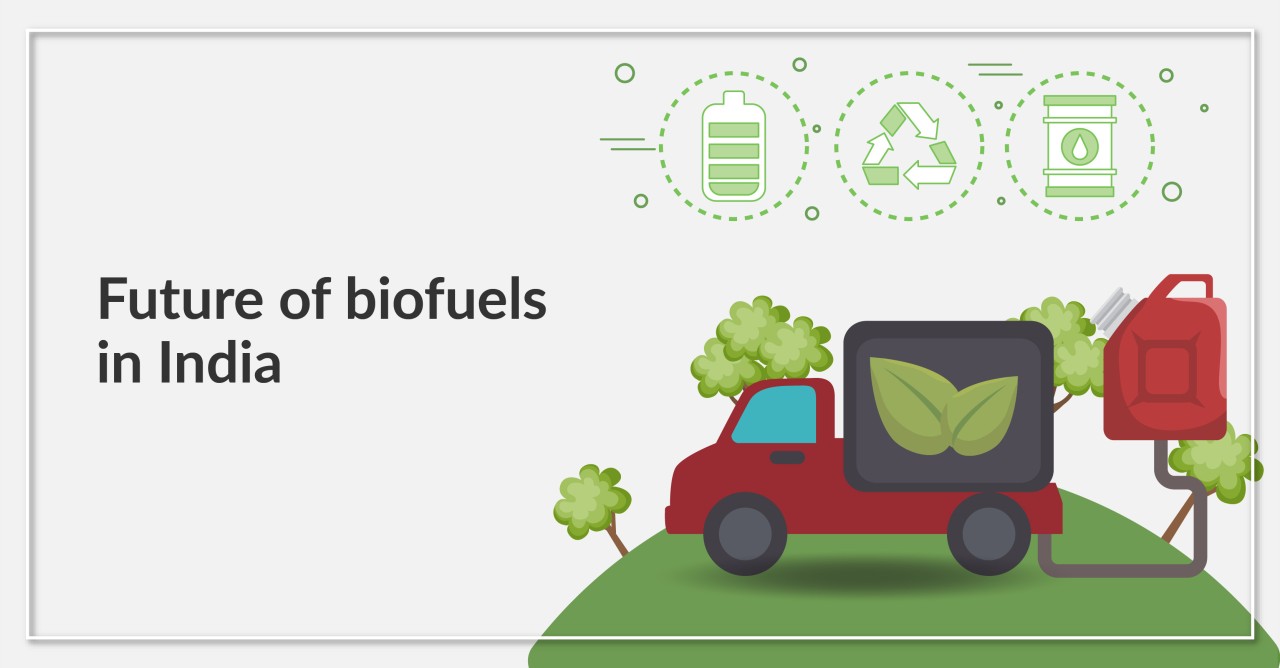
India’s rural economy has always revolved around agriculture, but today a new opportunity is emerging — biofuels. With the government pushing for energy security and carbon reduction, financing biofuel projects is becoming a crucial driver of growth. By channeling funds into farm-based energy solutions, India could redefine how villages create jobs, earn income, and contribute to the clean energy transition.
Why Biofuel Financing Matters
1. Boosting Farmer Incomes
Farmers can sell crop residues, sugarcane, and other agricultural by-products to biofuel plants. Financing ensures they have a stable buyer, reducing waste and increasing income.
2. Reducing Rural Dependence on Fossil Fuels
Affordable financing of biofuel units can replace diesel in rural transport and agriculture, cutting fuel costs.
3. Encouraging Entrepreneurship
Loans and grants for biofuel startups in villages could create small businesses around production, storage, and distribution.
Government Push for Biofuels in India
The National Policy on Biofuels targets 20% ethanol blending by 2025.
Subsidies and loans are being extended for ethanol plants and compressed biogas projects.
Priority sector lending could soon include biofuel financing, making credit accessible in rural areas.
Rural Impact: Beyond Energy
Employment Generation
Local biofuel plants create jobs in collection, processing, logistics, and retail.
Waste-to-Wealth Model
Crop residues that once caused stubble burning can now generate income, reducing air pollution.
Energy Independence
Villages with biofuel units can reduce reliance on expensive fossil fuels, ensuring sustainable local development.
Challenges in Biofuel Financing
High Initial Investment: Setting up plants requires significant capital.
Awareness Gap: Many rural farmers and entrepreneurs are still unaware of financing options.
Supply Chain Issues: Consistent collection and transportation of feedstock is a hurdle.
The Way Forward
To unlock the true potential of biofuel financing, India needs:
Easier credit access through rural banks and cooperatives.
Awareness programs for farmers on biofuel benefits.
Public-private partnerships to strengthen supply chains.
With the right financial support, biofuels could turn rural India into a hub of clean energy innovation and inclusive growth.
Conclusion: Financing Growth, Fueling Change
Biofuel financing is not just about energy — it’s about empowering rural economies. By turning farms into both food and fuel providers, India can achieve cleaner growth while lifting millions in villages towards prosperity. The future of rural development may well be written in green energy finance.
FAQ
Q1. What is biofuel financing?
Biofuel financing refers to providing loans, subsidies, or investments to support biofuel production units and projects.
Q2. How can biofuel financing help farmers?
It allows farmers to sell crop residues for energy, boosting their income while reducing waste.
Q3. What role does the government play in biofuel financing?
The government supports ethanol blending targets, offers subsidies, and encourages rural lending for biofuel projects.
Q4. Can biofuel create jobs in rural areas?
Yes, biofuel plants create employment in farming, processing, logistics, and distribution.
Q5. What challenges exist in biofuel financing?
High capital costs, supply chain issues, and lack of awareness are the main barriers.
Published on : 30th August
Published by : SMITA
www.vizzve.com || www.vizzveservices.com
Follow us on social media: Facebook || Linkedin || Instagram
🛡 Powered by Vizzve Financial
RBI-Registered Loan Partner | 10 Lakh+ Customers | ₹600 Cr+ Disbursed
https://play.google.com/store/apps/details?id=com.vizzve_micro_seva&pcampaignid=web_share