

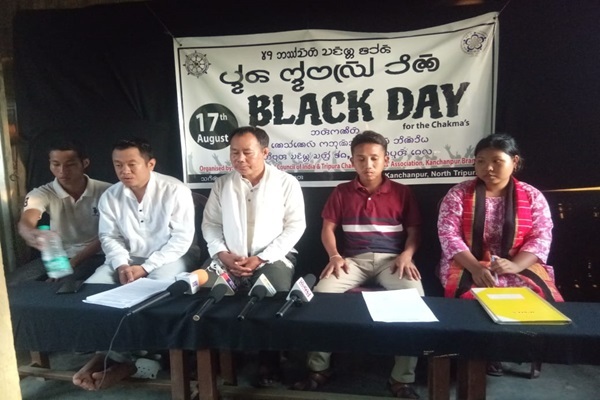
Tripura witnessed a black-flag protest against CPM leader Jitendra Chaudhury following allegations that he disrespected the state’s traditional headgear during a public event. The protest, led by local communities and cultural groups, highlights the sensitivity around traditional symbols and the importance of respecting cultural heritage.
1. Background of the Incident
The controversy arose when Jitendra Chaudhury reportedly did not adhere to local customs regarding the traditional headgear.
Local leaders and community members interpreted this as disrespect towards Tripura’s cultural identity.
The protest involved black flags, demonstrations, and public statements demanding an apology and awareness of cultural etiquette.
2. Significance of Traditional Headgear in Tripura
Serves as a symbol of respect, identity, and cultural pride among indigenous communities.
Worn during festivals, ceremonies, and official gatherings to signify honor and heritage.
Acts as a marker of community traditions passed through generations.
3. Community Reaction
Locals and cultural organizations organized peaceful black-flag protests outside political offices.
Calls for leaders to acknowledge and respect cultural symbols have been voiced across media platforms.
The incident has sparked discussions on sensitivity training for public figures regarding regional traditions.
4. Political Implications
Potential strain on Tripura’s CPM relations with indigenous communities.
Highlights the importance of cultural awareness in political outreach.
Other political parties and social activists are emphasizing respect for regional traditions in public life.
FAQs
Q1: Why was Jitendra Chaudhury protested against?
For allegedly disrespecting Tripura’s traditional headgear during a public appearance.
Q2: What is the black-flag protest?
A symbolic form of protest used to express dissent, dissatisfaction, or disapproval.
Q3: How significant is the traditional headgear?
It represents cultural identity, respect, and heritage among Tripura’s indigenous communities.
Q4: Who led the protests?
Local community members, cultural groups, and indigenous leaders.
Q5: Could this affect Tripura CPM’s political image?
Yes, it may create tensions with indigenous communities and affect public perception.
Published on : 11th September
Published by : SMITA
www.vizzve.com || www.vizzveservices.com
Follow us on social media: Facebook || Linkedin || Instagram
🛡 Powered by Vizzve Financial
RBI-Registered Loan Partner | 10 Lakh+ Customers | ₹600 Cr+ Disbursed
https://play.google.com/store/apps/details?id=com.vizzve_micro_seva&pcampaignid=web_share