

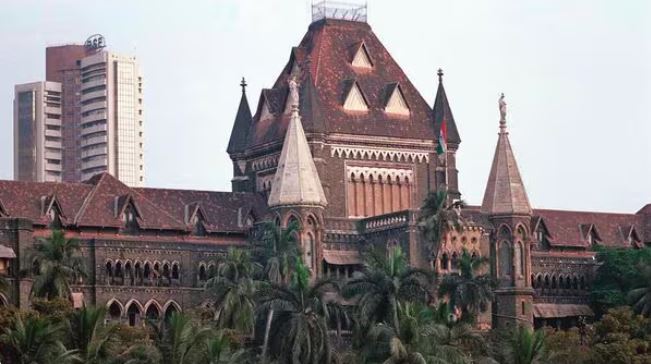
Bombay HC Judge Couldn't Upload Judgement for Six Months Due to 'Workload'
A judge of the Bombay High Court recently made headlines by candidly admitting that he was unable to upload a judgement for over six months due to a crushing workload, despite working until 2 AM daily. The disclosure has reignited discussions around the efficiency, workload, and reform needs of India's overburdened judiciary.
What Happened?
During a hearing, the Bombay HC judge acknowledged that a judgement remained pending for six months simply because he had no time to upload it. He went on to describe a grueling work schedule, stating:
"I work till 2 in the night... It’s not humanly possible to do more."
This public admission has stirred both concern and sympathy, reflecting broader systemic issues in India’s legal infrastructure.
The Growing Burden on Indian Judges
The incident is not isolated. India's judiciary has long been criticized for:
Huge backlog of cases (Over 5 crore pending cases across all courts)
Inadequate judge-to-population ratio
Manual or outdated filing and case management systems
Delays in appointing judges and filling vacancies
High court judges are expected to handle hundreds of cases per month. With such volumes, administrative duties like writing, editing, and uploading judgements often get deprioritized—even for cases already heard.
Why This Matters: Justice Delayed is Justice Denied
Delayed judgements can impact:
Litigants waiting for closure or justice
Lawyers relying on case precedents
Lower courts awaiting directions
Public perception of the judiciary’s credibility
When a judge, despite long working hours, cannot perform basic judicial functions due to overload, it’s a red flag for the health of the legal system.
Solutions Demanded by Experts
Legal scholars and senior advocates have frequently called for:
Increased judge appointments
Judicial infrastructure upgrades
Use of AI and digital platforms for case management
Support staff to assist judges with administrative tasks
Mental health support for overworked judicial officers
This incident could be a turning point if it leads to serious policy action and reform.
FAQ: Bombay HC Judge and Judicial Workload in India
1. Why did the judge delay uploading the judgement?
Due to excessive workload and time constraints. The judge said he worked until 2 AM every day, highlighting a severe work imbalance.
2. How common are such delays in Indian courts?
Quite common. Delays in verdicts and judgement uploads are symptomatic of the broader backlog issue in Indian courts.
3. How many cases are pending in Indian courts?
As of recent data, over 5 crore cases are pending across Supreme Court, High Courts, and lower courts.
4. What reforms are needed to address this issue?
Reforms include digitization, increasing judge strength, reducing procedural delays, and better administrative support for judges.
5. Does this delay affect justice?
Yes. Delayed judgements can cause emotional, financial, and legal strain for litigants. It also erodes trust in the system.
Published on: June 9, 2025
Uploaded by: Pankaj
www.vizzve.com || www.vizzveservices.com
Follow us on social media: Facebook || Linkedin || Instagram