

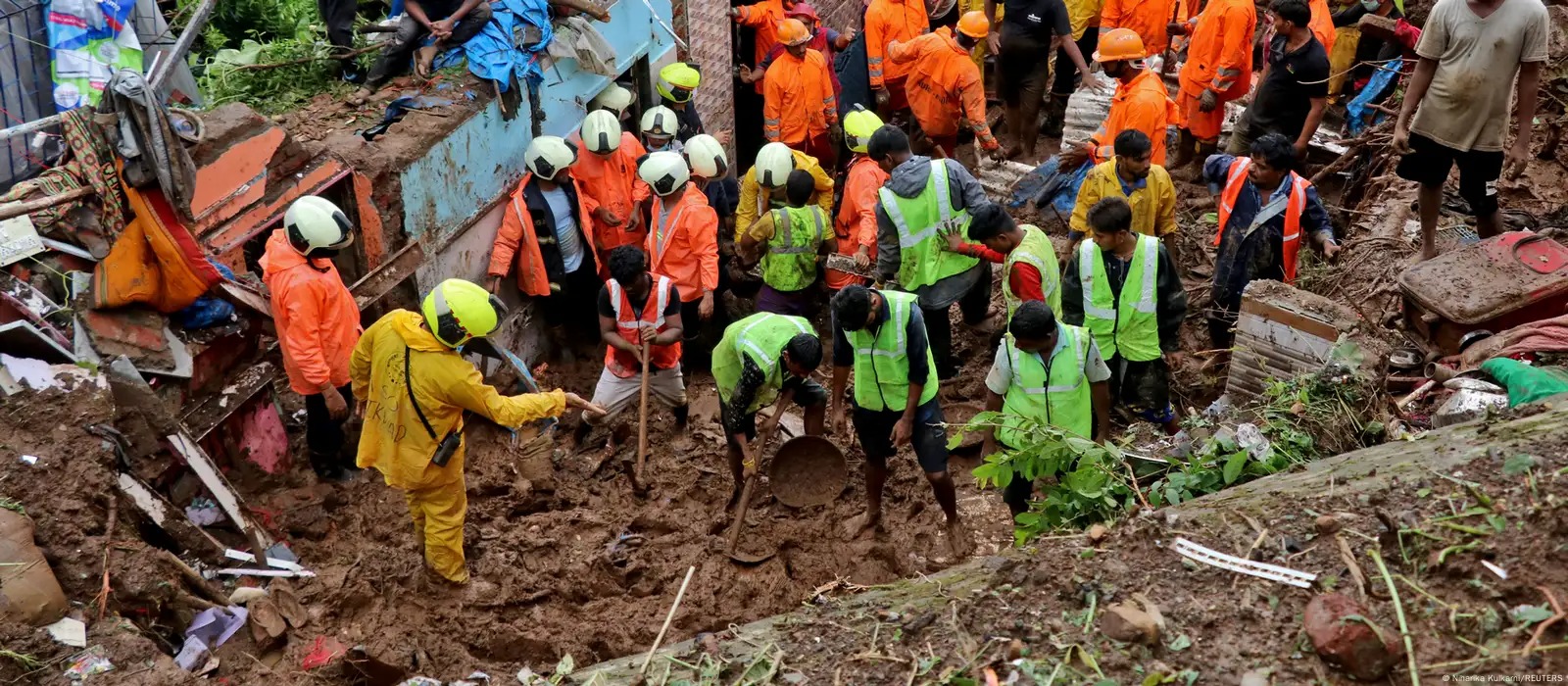
Mumbai, India’s financial capital, is once again grappling with the fury of the monsoon. On August 16, 2025, a tragic landslide in the city claimed the lives of two people, adding to the mounting toll of rain-related incidents this season. The India Meteorological Department (IMD) has issued a fresh warning for extremely heavy rainfall in Mumbai and surrounding regions today, urging residents to stay cautious.
This blog explores the incident, its impact, official warnings, safety measures, and what it means for Mumbai as climate extremes become more frequent.
The Mumbai Landslide Tragedy
According to local authorities, the landslide occurred in a hilly settlement area after continuous heavy rains overnight. The soil, loosened by hours of rainfall, collapsed on makeshift houses, trapping residents. Despite rescue efforts by the NDRF (National Disaster Response Force) and fire brigade teams, two people were killed, while several others were injured and shifted to nearby hospitals.
Date of Incident: August 16, 2025
Location: A slum cluster in suburban Mumbai (exact details emerging)
Casualties: 2 dead, several injured
Rescue Operations: Ongoing by NDRF, Mumbai Fire Brigade, and police teams
IMD’s Weather Forecast & Alerts
The IMD has classified today’s rainfall prediction for Mumbai as “extremely heavy”, which means rainfall exceeding 204.5 mm in 24 hours.
Key Weather Warnings:
Orange & Red Alerts for Mumbai, Thane, Raigad, and Palghar districts.
Possibility of localized flooding in low-lying areas.
High tide in the Arabian Sea expected to worsen waterlogging.
Risk of further landslides in hilly regions.
Authorities have urged schools and offices in vulnerable areas to remain closed and advised citizens to avoid unnecessary travel.
Impact on Daily Life in Mumbai
Heavy rainfall and landslides significantly disrupt Mumbai’s infrastructure:
Transport: Train services on Central and Western Railway lines face delays due to waterlogging. Local buses are being diverted from flooded routes.
Air Travel: Flights at Mumbai Airport may face delays due to reduced visibility and heavy crosswinds.
Road Traffic: Major roads like the Eastern Express Highway and Western Express Highway are witnessing severe congestion.
Power Cuts: Certain areas are facing precautionary power outages to avoid accidents.
Why Landslides Are Increasing in Mumbai
Mumbai has historically faced issues of flooding during monsoon, but landslides have become more frequent in recent years. Reasons include:
Unplanned Construction: Many settlements are built on unstable slopes without proper drainage systems.
Deforestation: Rapid urbanization has led to loss of natural green cover that binds the soil.
Intense Rainfall: Climate change is increasing the frequency of extreme rainfall events.
Poor Drainage & Waste Management: Blocked nullahs and drainage channels cause water accumulation and soil erosion.
Safety Measures for Residents 🌧️
Authorities have advised Mumbai residents to take the following precautions:
Avoid slope-side houses and unstable ground during heavy rains.
Stay updated with IMD warnings via TV, radio, or official apps.
Do not venture near floodwaters or high-tide areas.
Keep emergency kits ready: torch, batteries, medicines, dry food, drinking water.
If you notice cracks or unusual soil movement, alert local authorities immediately.
Government & Rescue Response
NDRF Teams are on high alert in Mumbai, Thane, and Raigad.
BMC (Brihanmumbai Municipal Corporation) has set up 24x7 control rooms.
Rescue shelters have been arranged for displaced families.
Disaster helplines have been activated for quick response.
The Maharashtra government has promised compensation for the victims’ families and has ordered a safety audit of high-risk settlements in the city.
The Larger Climate Question 🌍
Mumbai’s repeated struggles with flooding and landslides highlight a larger issue: climate resilience in urban planning. Experts emphasize the need for:
Strengthening early warning systems.
Relocating residents from landslide-prone areas.
Better drainage and rainwater harvesting infrastructure.
Sustainable construction practices.
Without structural change, incidents like these may continue to endanger lives every monsoon.
FAQs
1. How many people died in the Mumbai landslide?
Two people were killed, while several others were injured and rescued.
2. What is IMD’s warning for Mumbai today?
IMD has issued a red alert for extremely heavy rainfall with risks of flooding and landslides.
3. Which areas in Mumbai are most affected by heavy rains?
Low-lying areas such as Kurla, Sion, Dadar, and suburban hillside settlements face maximum risk.
4. What safety measures should residents take?
Avoid slope-side homes, stay indoors during high alerts, and keep emergency supplies ready.
5. Is public transport working in Mumbai today?
Local trains and buses are running but with delays and diversions due to waterlogging.
Published on : 16th August
Published by : SMITA
www.vizzve.com || www.vizzveservices.com
Follow us on social media: Facebook || Linkedin || Instagram
🛡 Powered by Vizzve Financial
RBI-Registered Loan Partner | 10 Lakh+ Customers | ₹600 Cr+ Disbursed