

Introduction
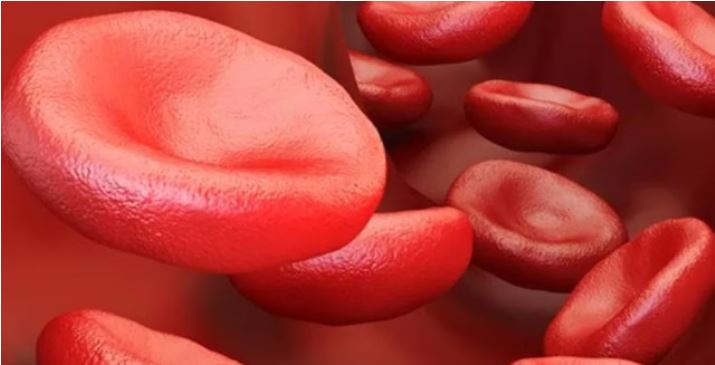
Sickle cell anaemia has long been a devastating hereditary blood disorder, particularly affecting tribal and under-served communities in India. The disease causes red blood cells to deform into a rigid, sickle shape — reducing oxygen delivery, leading to pain crises, organ damage, and serious complications.
But now, a transformative breakthrough is on the horizon. Researchers at CSIR–Institute of Genomics & Integrative Biology (IGIB) have developed an indigenous CRISPR-based gene editing system, transferred to the Serum Institute of India, to create a one-time therapy named Birsa-101.
This home-grown innovation could slash the cost of treatment and make a potential cure accessible for many more patients.
What Is Birsa-101 and How It Works
Indigenous Platform: The core of this therapy is an engineered high-fidelity CRISPR-Cas9 system called enFnCas9, developed by IGIB scientists.
Precise Gene Correction: Unlike some global therapies that boost fetal hemoglobin, Birsa-101 precisely corrects the mutation that causes sickle-shaped hemoglobin, restoring the normal gene sequence.
One-time Infusion: Once corrected stem cells are infused into a patient, they are expected to engraft and produce healthy red blood cells, reducing or eliminating disease symptoms.
Safety and Specificity: The engineered enFnCas9 is designed to minimize off-target edits — a major risk in gene editing — making it safer for clinical use.
Why It’s a Game Changer for Affordability
Reducing Cost: Current global gene therapies for sickle cell disease — like Casgevy — come with an eye-watering price tag of around USD 2.2 million.
Local Innovation: Because Birsa-101 is developed in India using indigenous IP, reagents, and infrastructure, the cost is expected to be a fraction of global therapies.
Scalable Production: The Serum Institute of India (SII) has struck a technology transfer agreement with IGIB. SII will manufacture Birsa-101, enabling scale-up for wider deployment.
Public Health Impact: With 30,000–40,000 children born annually in India with sickle cell disease, especially among tribal populations, the therapy could dramatically change lives.
Strategic Significance for India
Atmanirbhar Bharat in Genomic Medicine: This push aligns with India’s goal of self-reliance in advanced biotech, reducing dependence on expensive foreign therapies.
Public Health Mission: With India’s “Sickle Cell Anaemia Elimination Mission 2047,” this therapy could be a major pillar to achieve that goal.
Broad Applicability: The same CRISPR platform is being eyed for thalassemia therapy, widening its impact.
Research to Reality: A manufacturing unit is already being set up for a Phase I human trial, in collaboration with AIIMS.
Challenges and Risks
Clinical Safety: While engineered for high fidelity, gene editing always carries a risk of off-target effects. Clinical trials must rigorously monitor safety.
Regulation & Approval: The therapy must clear regulatory hurdles, obtain long-term data, and prove efficacy before large-scale roll-out.
Access & Infrastructure: Even if therapy is cheaper, patients in rural/tribal areas may face challenges in accessing treatment centers, infusion infrastructure, and follow-up care.
Awareness & Screening: For the therapy to reach those who need it, widespread genetic screening and early detection will be important.
(FAQs)
Q1. What makes Birsa-101 different from existing gene therapies for sickle cell disease?
A1. Unlike some therapies that only increase fetal hemoglobin, Birsa-101 corrects the actual sickle mutation using a high-fidelity CRISPR system (enFnCas9), promising a more complete and long-term cure.
Q2. Why is this therapy expected to be much cheaper than global alternatives?
A2. The therapy is developed entirely in India — from the CRISPR platform to reagents — and manufactured by Serum Institute, avoiding high import costs and IP licensing fees.
Q3. How soon could Birsa-101 be available to patients?
A3. A manufacturing unit is already being set up, and a Phase I safety trial is expected to launch soon, in partnership with AIIMS.
However, full commercialization will depend on trial outcomes and regulatory approvals.
Q4. Which patient groups will benefit the most?
A4. Initially, patients with severe sickle cell disease (especially those with organ damage) are likely candidates. Over time, if proven safe and effective, the therapy could extend to children and more patients.
Q5. Are there risks associated with gene editing therapy?
A5. Yes — potential off-target edits, long-term safety, immune reactions, and engraftment failure are risks. That’s why clinical trials are crucial to evaluate safety and efficacy.
Q6. How does this align with India’s public health goals?
A6. It supports the “Sickle Cell Anaemia Elimination Mission 2047,” aiming to reduce disease burden through affordable treatment and prevention
source credit : Anonna Dutt
Published on : 20th November
Published by : RAHAMATH
www.vizzve.com || www.vizzveservices.com
Follow us on social media: Facebook || Linkedin || Instagram
🛡 Powered by Vizzve Financial
RBI-Registered Loan Partner | 10 Lakh+ Customers | ₹600 Cr+ Disbursed