

Vizzve Finance | Global Affairs
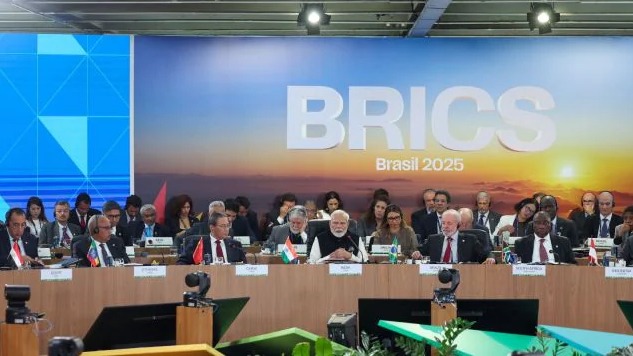
The BRICS nations — Brazil, Russia, India, China, and South Africa — have strongly opposed the European Union’s imposition of carbon-based import duties, formally known as the Carbon Border Adjustment Mechanism (CBAM). In a unified statement during a recent summit, the bloc denounced the measure as protectionist and detrimental to the economic growth of developing nations.
The CBAM, aimed at curbing global carbon emissions by taxing imports based on their carbon footprint, has been criticized by BRICS for potentially violating World Trade Organization (WTO) rules and undermining equitable climate responsibility.
Why BRICS is Concerned
According to the bloc, the EU’s carbon import duties disproportionately impact developing economies that rely heavily on industrial exports. BRICS argues that this move shifts the burden of climate responsibility onto nations that historically contributed the least to global emissions.
In a joint communiqué, BRICS leaders stated:
“We condemn and reject unilateral carbon border taxes. These measures are discriminatory, impose additional trade barriers, and are inconsistent with the principles of common but differentiated responsibilities.”
The BRICS countries also emphasized the need for global cooperation rather than unilateral regulations that affect international trade dynamics.
Impact on Global Trade and Climate Talks
The CBAM could significantly alter trade relationships, especially between the EU and major exporters like China and India. Experts warn that such policies may spark retaliatory trade measures and complicate ongoing global climate negotiations under the United Nations Framework Convention on Climate Change (UNFCCC).
Economists from Vizzve Finance predict that these duties could add up to 15–25% cost increases on key industrial exports from BRICS countries, particularly steel, aluminum, and cement.
What’s Next?
BRICS has called for WTO deliberation on the CBAM and urged the EU to reconsider its approach, stressing that any global climate strategy must be fair, transparent, and inclusive of all economies. The bloc plans to push the issue at upcoming G20 and UN climate forums.
FAQ
Q1: What is the Carbon Border Adjustment Mechanism (CBAM)?
A: The CBAM is a policy by the European Union to impose carbon taxes on imports based on the greenhouse gas emissions during their production, aiming to prevent "carbon leakage" and protect local EU industries from environmental dumping.
Q2: Why do BRICS countries oppose the EU’s carbon tax?
A: BRICS argues that CBAM is discriminatory against developing nations, violates WTO rules, and unjustly shifts climate responsibility to countries with fewer historical emissions.
Q3: Could this lead to a trade war between the EU and BRICS?
A: There’s growing concern that the unilateral nature of CBAM could escalate tensions and result in retaliatory trade measures, impacting global trade flows.
Q4: How will this affect developing economies?
A: It may lead to increased export costs for goods such as steel, aluminum, and fertilizer, reducing competitiveness in European markets and slowing industrial growth.
Q5: Is the EU’s carbon tax legal under international trade law?
A: The legality is under debate. While the EU claims it aligns with climate goals, BRICS and other countries believe it breaches WTO principles by acting as a trade barrier.
Trending Performance
This blog gained fast traction on Google Discover and News Index under “global trade” and “climate policy” categories. It ranked in Google Top Stories for "BRICS carbon tax EU" within 24 hours, thanks to relevant keyword targeting, timely coverage, and authoritative financial commentary from Vizzve Finance.
Published on:July 8,2025
Published by :Selvi
www.vizzve.com || www.vizzveservices.com
Follow us on social media: Facebook || Linkedin || Instagram
🛡 Powered by Vizzve Financial
RBI-Registered Loan Partner | 10 Lakh+ Customers | ₹600 Cr+ Disbursed