

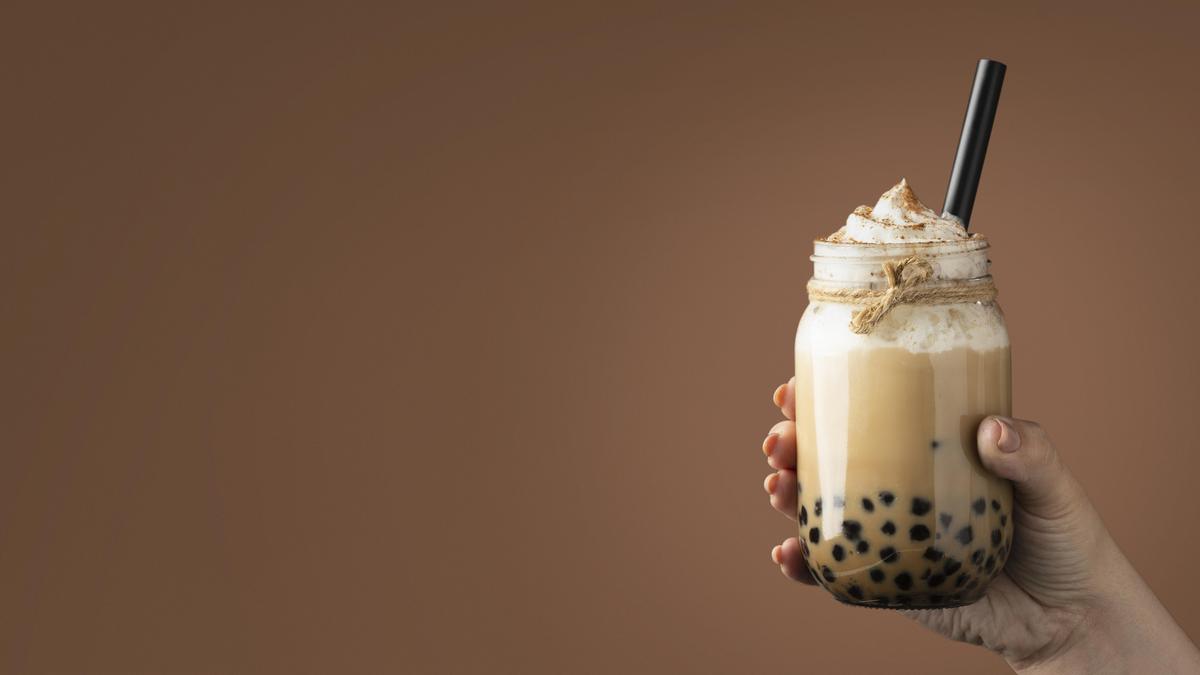
BUBBLES & BOBAS: THE HISTORY BEHIND THE TEA AND WHAT’S ACTUALLY IN IT!
From Taiwanese street stalls to global coffeehouse chains, bubble tea—also called boba tea—has gone from regional treat to worldwide beverage sensation. But where did this wildly popular drink come from, and what exactly goes into it?
Let’s explore the origin, ingredients, varieties, and financial impact of the chewy, milky, sweet tea everyone’s sipping.
ORIGINS: HOW BUBBLE TEA BEGAN IN TAIWAN
Bubble tea originated in Taiwan in the 1980s when tea vendors began adding tapioca pearls and fruit syrups to iced milk teas. The chewy texture and refreshing flavor turned into a local hit—and soon a cultural phenomenon.
Key Milestones in Boba History:
1983: First bubble tea is said to be created in Taichung, Taiwan
1990s: Expands across Asia (Hong Kong, Japan, China)
2000s–2020s: Explodes across North America, Europe, and Australia
Today, bubble tea cafes dominate urban food scenes globally.
WHAT’S REALLY IN YOUR BUBBLE TEA?
Bubble tea is a mix of textures and tastes. Here’s what goes into a classic cup:
Core Ingredients:
Base Tea: Black, green, oolong, or jasmine
Milk or Creamer: Dairy, almond, oat, soy, or coconut milk
Sweetener: Cane sugar, syrup, honey, or brown sugar
Toppings: Tapioca pearls (bobas), popping fruit pearls, jelly, aloe vera, cheese foam
Some popular variations also include matcha, Thai tea, taro, and even coffee-based boba drinks.
VARIATIONS OF BUBBLE TEA AROUND THE WORLD
Different regions have made bubble tea their own:
Taiwan: Original black milk tea with chewy bobas
Japan: Matcha boba with mochi topping
Philippines: Ube-flavored milk tea
USA: Brown sugar and oat milk boba
UK/EU: Sparkling fruit tea with popping pearls
There’s a flavor and texture combo for everyone—from sweet tooths to health-conscious sippers.
BUBBLE TEA AND YOUTH CULTURE
Bubble tea is more than a drink—it’s a social lifestyle symbol for Gen Z and Millennials.
Used in Instagrammable café culture
Frequently features in TikTok food trends
Seen in K-pop and anime crossovers
Aesthetic cup design and fun straws fuel visual appeal
Market Snapshot:
Global Boba Market (2024): Valued at $5.7 billion
Projected Growth Rate: 7.5% CAGR through 2030
India’s Entry: Over 200 boba cafés opened in Tier-1 and Tier-2 cities since 2022
Profit Model:
High markup (60–75% profit per drink)
Franchise models with low investment (₹8–12 lakh setup)
Cross-product revenue: drinks, snacks, and boba merchandise
Investment Boom:
Startups and cloud kitchens tapping into youth demand
Venture capital entering boutique café brands
Boba kits for home delivery are rising in popularity
SEO Strategies That Worked:
Search-focused headline and meta fields
Rich media with image alt text and schema
FAQ section for rich snippets
Social sharing on food forums, Instagram, and newsletters
FAQ SECTION
Q: Where did bubble tea originate?
A: Bubble tea was first created in Taiwan during the 1980s and has since become a global phenomenon.
Q: What are the bubbles in bubble tea made of?
A: The traditional “bubbles” are made of tapioca starch, shaped into pearls, and boiled until chewy.
Q: Is bubble tea healthy?
A: While delicious, many bubble teas are high in sugar. Healthier options include low-sugar versions and using plant-based milks.
Q: Why is bubble tea so popular?
A: Its customizable flavors, aesthetic appeal, and chewy textures make it especially popular among younger generations.
Q: Can I make bubble tea at home?
A: Yes, boba kits with dried tapioca pearls, flavored powders, and reusable straws are widely available online.
Published on: July 4, 2025
Published by: PAVAN
www.vizzve.com || www.vizzveservices.com
Follow us on social media: Facebook || Linkedin || Instagram
🛡 Powered by Vizzve Financial
RBI-Registered Loan Partner | 10 Lakh+ Customers | ₹600 Cr+ Disbursed