

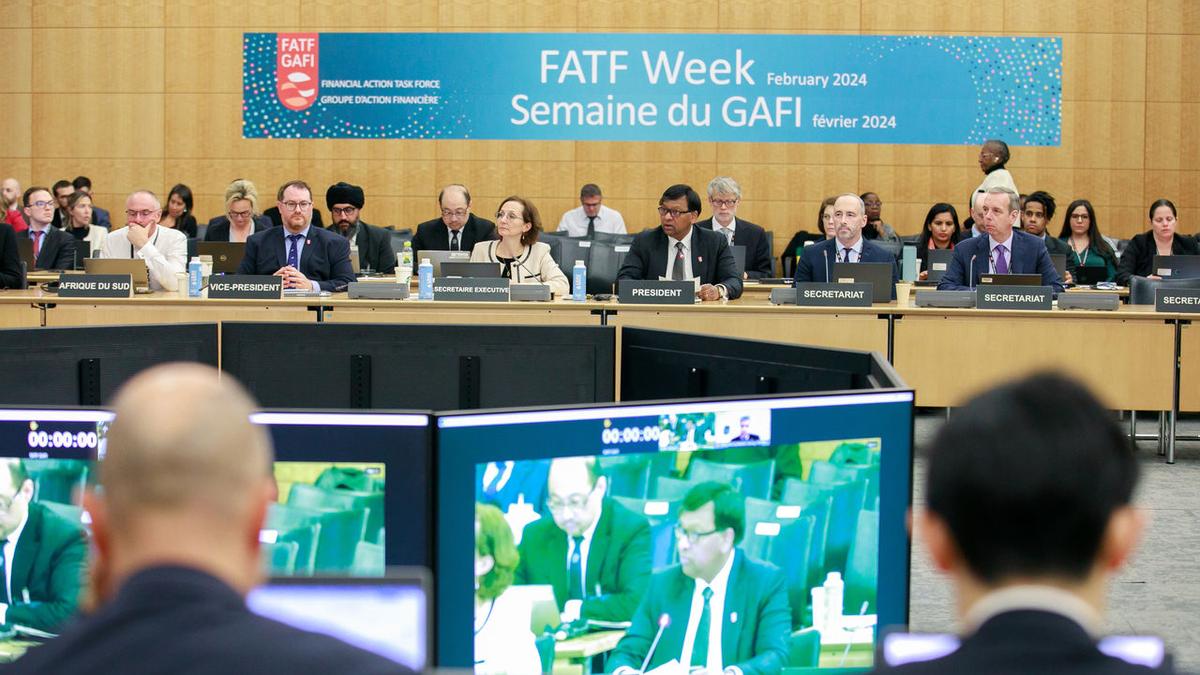
Can India Push Pakistan into FATF’s ‘Grey List’?
The question of whether India can influence the Financial Action Task Force (FATF) to place Pakistan back on the Grey List involves a complex web of international diplomacy, counter-terrorism, and financial regulation.
While Pakistan was previously removed from the FATF Grey List in 2022 after improving its anti-terror financing framework, India has consistently raised concerns about continued terror activity originating from Pakistani soil. So, can India really influence FATF’s decision?
Understanding the FATF Grey List
The FATF (Financial Action Task Force) is an intergovernmental body that monitors global money laundering and terrorist financing. A country is placed on the Grey List when it is found to have strategic deficiencies in these areas but has committed to resolving them within agreed timelines.
Countries on the Grey List face increased scrutiny and potential economic repercussions, including reduced investment and global financial restrictions.
India’s Diplomatic Leverage
India is not a member of the FATF but is a member of its regional affiliate, the Asia/Pacific Group (APG). Although India cannot unilaterally push a country into the Grey List, it can provide intelligence, lobby through allies, and influence the narrative in FATF deliberations.
India has, in the past, shared dossiers on Pakistan’s alleged terror financing networks, especially concerning groups like Lashkar-e-Taiba, Jaish-e-Mohammed, and others.
Can India Really Push Pakistan into the Grey List Again?
Direct Influence? No, India alone cannot push Pakistan into the list.
Indirect Influence? Yes, through intelligence sharing, evidence-based lobbying, and diplomatic pressure via member countries like the US, France, or Germany.
Pakistan’s fate within FATF depends on technical compliance, political lobbying, and the prevailing geopolitical climate.
Challenges to India’s Efforts
Geopolitical Shifts: Pakistan’s improving ties with countries like China and Russia may buffer it from pressure.
FATF’s Criteria: The decision is based on technical benchmarks, not just political rivalries.
Global Optics: Any move by India seen as overtly political may be viewed skeptically by neutral members.
Recent Developments
There have been reports of Pakistan slowing down its reforms or reactivating certain financial networks under new guises. If substantiated with strong evidence, India and its allies might push for a review of Pakistan’s status.
Frequently Asked Questions (FAQs)
Q1: What is the FATF Grey List?
The Grey List includes countries under increased monitoring due to deficiencies in countering money laundering and terror financing.
Q2: Was Pakistan previously on the FATF Grey List?
Yes, Pakistan was on the Grey List from 2018 to 2022.
Q3: Can India alone get Pakistan back on the Grey List?
No, India cannot do it alone. It must work through allies and provide verifiable evidence to FATF members.
Q4: What would being on the Grey List mean for Pakistan?
It could lead to reduced foreign investment, economic pressure, and reputational damage.
Q5: What factors determine FATF decisions?
FATF decisions are based on technical assessments, political consensus among members, and compliance with FATF’s 40 recommendations.
Published on: June 26, 2025
Uploaded by: PAVAN
www.vizzve.com || www.vizzveservices.com
Follow us on social media: Facebook || Linkedin || Instagram
🛡 Powered by Vizzve Financial
RBI-Registered Loan Partner | 10 Lakh+ Customers | ₹600 Cr+ Disbursed