

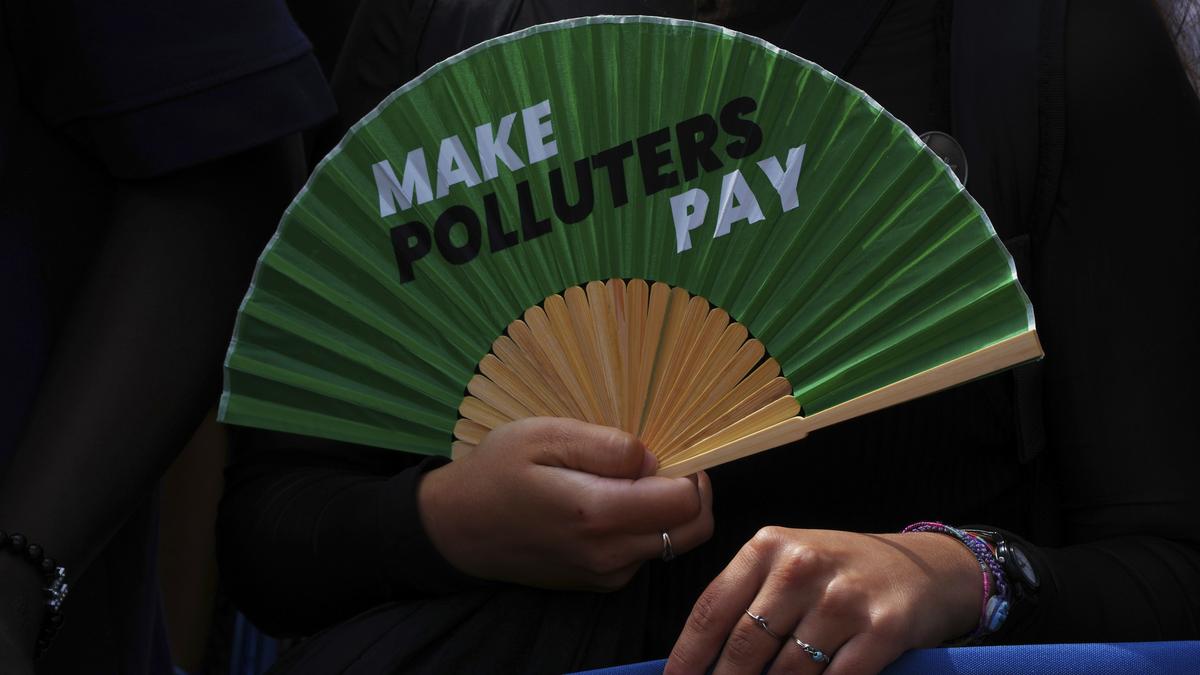
Can the ICJ Ruling Force Rich Nations to Pay for Historical Emissions?
On July 23, 2025, the International Court of Justice (ICJ) issued a historic advisory opinion affirming that nations have a binding legal duty to address climate change and prevent harm caused by greenhouse gas emissions. A key question is whether this ruling can compel rich nations to pay reparations for historical emissions contributing to global warming and climate damage.
ICJ’s Position on Historical Emissions and Reparations
The ICJ unanimously concluded that the production and consumption of fossil fuels “may constitute an internationally wrongful act attributable to that state,” establishing legal accountability for climate harms linked to emissions. Significantly, the ruling:
Recognizes that countries and affected individuals can seek reparations for climate damage, potentially including compensation or formal apologies.
Affirms that international law supersedes disclaimers in agreements such as the Paris Agreement, which explicitly states it does not establish liability or compensation for historical emissions.
Opens a legal pathway for developing and vulnerable states to hold historically high-emitting developed countries responsible for climate-related losses and damages.
Emphasizes that the nature and amount of reparations will be decided case-by-case, depending on circumstances and damages incurred.
Binding Nature and Practical Implications
While the ICJ opinion carries substantial legal authority and moral weight, it is an advisory opinion, not a binding judgment enforceable by law. This means:
The ruling itself cannot directly force governments to pay reparations.
However, it can strengthen pressure in international diplomacy, climate negotiations, and future litigation in national and regional courts.
It sets a precedent that could inspire numerous lawsuits and claims demanding compensation and more ambitious climate action.
Impact on Global Climate Justice
The ICJ opinion marks a milestone in shifting climate finance from voluntary aid towards enforceable legal obligations. Key outcomes include:
Reinforcing that states must act urgently to meet their climate commitments and may face legal consequences for failing to do so.
Undermining political resistance by major emitters to acknowledge historical responsibility for climate change.
Empowering vulnerable nations and frontline communities with a legal foundation to demand climate justice, potentially transforming global climate governance.
Frequently Asked Questions (FAQ) About the ICJ Climate Ruling and Historical Emissions
Q1: Does the ICJ ruling legally force rich nations to pay for historical emissions?
No, the advisory opinion is not legally binding but establishes strong legal grounds and international pressure for potential reparations and accountability.
Q2: What are reparations in the context of climate change?
Reparations refer to compensation or other remedies that countries responsible for climate harm may owe to those affected, including financial payments or formal apologies.
Q3: How does the ruling affect the Paris Agreement’s stance on liability?
The ICJ clarifies that international law obligations supersede the Paris Agreement’s clause that disclaims liability, allowing for claims despite the agreement’s language.
Q4: Who can seek reparations under the ICJ opinion?
Both states and affected individuals or communities can seek reparations for climate damages caused by high-emitting countries.
Q5: Will this ruling increase climate litigation?
Yes, it is expected to spur more legal actions worldwide, as the court’s opinion provides a strong legal basis for claims against major emitters.
Q6: How might this ruling influence future climate negotiations?
The ruling pressures countries to enhance their climate commitments and financiers to shift from voluntary funding to legally accountable climate finance.
Published on: August 1, 2025
Published by: PAVAN
www.vizzve.com || www.vizzveservices.com
Follow us on social media: Facebook || Linkedin || Instagram
🛡 Powered by Vizzve Financial
RBI-Registered Loan Partner | 10 Lakh+ Customers | ₹600 Cr+ Disbursed